
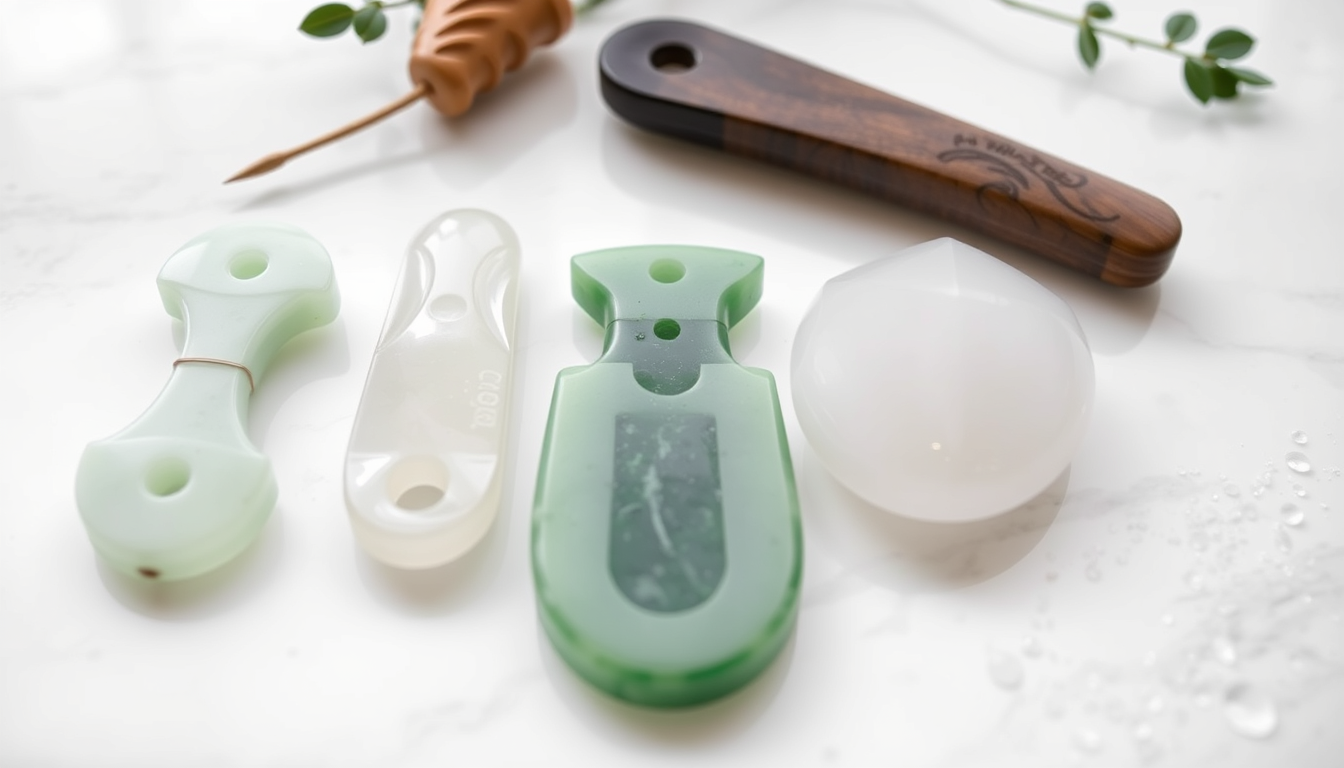
Across the wellness and beauty landscape, gua sha has evolved from a traditional ritual into a design-forward skincare tool. When a gua sha paddle is crafted with anatomy, skin biology, and user comfort in mind, the practice becomes more predictable, gentler on the barrier, and capable of supporting a steady path to radiant skin. This guide dives deep into how a design-driven approach to gua sha — from material feel to edge geometry and grip — can elevate facial lymphatic drainage and daily skincare results.
Design meets function: the philosophy behind a design-driven gua sha
A great gua sha tool is more than a pretty stone. It balances weight, contour, and texture so your hand can move with minimal effort but maximum control. Ergonomic handles reduce hand fatigue, curved edges glide over the skin without snagging, and precise face-contouring shapes align with natural lymphatic pathways. The result is consistent strokes that feel comfortable, choreography-like, and sustainable over weeks of use.
Whether you prefer jade for a traditional, cool touch or quartz for a distinct glide, the core remains the same: a tool that fits your hand and your routine. If you’re shopping, consider a design-forward gua sha tool designed with facial lymphatic drainage in mind.
Materials matter: Jade, Quartz, and beyond
Materials influence feel, glide, and the tactile feedback you experience during a session. Here’s how to think about each option:
- Jade: Traditional, often cool to the touch, with a smooth, slightly waxy glide. Jade’s texture can feel forgiving on sensitive skin and is favored for a classic ritual vibe.
- Quartz: Usually milky or translucent with a bright glide. Quartz can offer a slightly crisper edge and a different surface tension that some users prefer for more defined strokes.
- Alternative design-forward materials: Some tools experiment with ceramic, layered composites, or thoughtfully finished metals in contact-safe coatings. These aim to optimize weight distribution and edge ergonomics while staying skin-safe and easy to clean.
Tip: Gentle, regular cleaning keeps the surface smooth and minimizes drag. For a curated selection, explore a well-designed tool built for ergonomic comfort and long-term use.
Facial lymphatic drainage: how gua sha helps your complexion
Gua sha is a modern take on lifting and guiding fluids along the facial lymphatic network. The practice emphasizes moving stagnant fluids from the center of the face outward toward the neck and collarbone. When done with light pressure and steady rhythm, you can experience less puffiness, a more sculpted look, and a brighter complexion over time. It’s not about overnight miracles; it’s about consistent, mindful movement paired with a solid skincare routine.
Key takeaway: the best outcomes come from clean skin, gentle pressure, and a routine you can repeat with confidence.
Anatomy and stroke directions: where to move and why
Understanding lymphatic drainage helps you choose stroke directions that favor drainage without pulling the skin. Here are the core directions to anchor your routine:
- Start at the neck, just above the collarbone, and stroke upward toward the jawline to encourage drainage toward regional lymph nodes.
- Move to the submandibular area (under the jaw). Gentle sweeps from the center of the chin toward the ears support lymph flow along the jawline.
- Across the cheeks, sweep from the center of the face outward toward the temples to lift and drain.
- Under the eyes, use the smaller edge with caution: inner corner to outer edge, never dragging toward the eye.
- Forehead and brow area: glide from the brow bone upward to the hairline to disperse tension and residual fluid.
Always use light, even pressure and avoid dragging on the skin. The goal is a smooth glide that respects the skin barrier while guiding fluids upward and outward.
Step-by-step: A design-driven, gentle routine
Use 3–5 minutes per session, 3–4 times per week as a sustainable baseline. Adjust for your schedule and skin’s tolerance. Here’s a comprehensive routine you can follow or adapt:
- Cleanse your skin thoroughly to remove makeup, oils, and impurities.
- Apply a light facial oil or serum to provide an even glide and protect the skin barrier.
- Warm your gua sha tool in your hands for a few seconds to avoid a cold start.
- Neck: stroke upward from the base of the neck toward the jawline, using gentle pressure.
- Collarbone uplift: sweep from the collarbone toward the lower jaw to open drainage pathways.
- Jawline: short, sweeping motions from the center of the chin outward toward the ears, following the jaw’s natural curve.
- Cheeks: broad, outward sweeps from the center of the face to the temples to lift and drain.
- Under the eyes: use the smaller edge, from inner to outer corner with care.
- Brows and forehead: glide from the brow bone upward to the hairline, easing tension across the forehead.
- Temple and scalp release: gentle, circular or sweeping motions to release built-up tension that can reflect on the face.
- Finish by lightly sweeping the entire face from center outward to disperse remaining fluids.
- Clean your tool, apply moisturizer or a facial oil to seal hydration.
Pro tip: a well-designed tool with a comfortable grip and rounded edges can make a big difference in your consistency and form, especially during longer sessions. Explore a design-forward tool that prioritizes ergonomic comfort.
Choosing a tool: what to look for
- Ergonomic handle and balanced weight for effortless gliding
- Rounded edges and a smooth surface to minimize drag and irritation
- Appropriate size for your face and target areas (jawline, cheeks, forehead)
- Material considerations: jade for tradition, quartz for glide, or innovative composites for durability
- Ease of cleaning and durability; non-porous, skin-safe finishes are ideal
When selecting, try different edges to see which feels most intuitive for your routine. A well-fitting tool reduces fatigue and supports consistency over time.
Does gua sha work? Evidence, expectations, and real results
Many users report less puffiness and a brighter, more lifted look after consistent sessions. Scientific research on gua sha is evolving; the most robust outcomes come from regular practice, proper technique, and a supportive skincare routine. Avoid overdoing it—gentle pressure, shorter sessions, and clear guidance on technique yield the best long-term results.
In practice, think of gua sha as a daily micro-mculpting ritual that complements skincare trends rather than a one-off miracle. The real benefits show up over weeks of mindful use, not from a single heavy press.
Integrating gua sha into your skincare ritual
For most people, a 3–5 minute routine 3–4 times per week is sustainable. You can add a quick daily touch-up if your skin tolerates it. Here are guidelines to optimize results:
- Patch-test any new product before applying under the gua sha to ensure skin compatibility.
- Pair gua sha with a lightweight oil or serum to reduce drag and nourish the skin barrier.
- Always cleanse after a session to remove any displaced oils and prevent pore clogging.
- Follow with a moisturizer or facial oil to seal hydration and support barrier repair.
Skincare for different skin types: adapting the routine
Because every complexion is unique, adapt pressure, duration, and frequency to your needs. Here’s a quick guide:
- Dry or sensitive skin: use a very light touch and a hydrating oil or serum. Avoid long sessions that may irritate the barrier.
- Oily or combination skin: a slightly longer glide can help move sebum gently while still avoiding drag. Keep oil balances moderate to avoid greasiness after routine.
- Mature or dehydrated skin: focus on lifting strokes that promote drainage and incorporate richer moisturizers or replenishing serums post-workout.
Key idea: the best results come from a routine you can repeat with mindfulness and a skin-friendly product lineup.
Maintenance, hygiene, and safety
To preserve tool performance and skin health:
- Clean your gua sha after each use with mild soap and warm water; dry thoroughly to prevent mineral buildup.
- Avoid dropping the tool; check edges for micro-scratches and replace if necessary.
- Store in a clean, dry place away from direct sunlight to prevent material degradation.
- Avoid use on broken or irritated skin. If you have a skin condition or recent facial procedure, consult a clinician before use.
Common mistakes and how to troubleshoot
- Too much pressure: leads to redness and potential irritation. Ease off and focus on volume of strokes rather than force.
- Dragging the skin: causes discomfort and poor drainage. Use a light touch and a consistent glide.
- Inconsistent routine: uneven results. Schedule 3–4 sessions per week and set reminders.
- Overlapping strokes: can pull on delicate under-eye skin. Use the smallest edge and extremely gentle pressure in this area.
Travel-ready routines and time-saving tips
On busy days, a 3-minute express routine can preserve benefits. Consider a compact tool with an ergonomic grip that fits easily in a toiletry bag. Keep a small travel-friendly bottle of your preferred facial oil to maintain glide wherever you are.
Illustrations: visual guides to technique
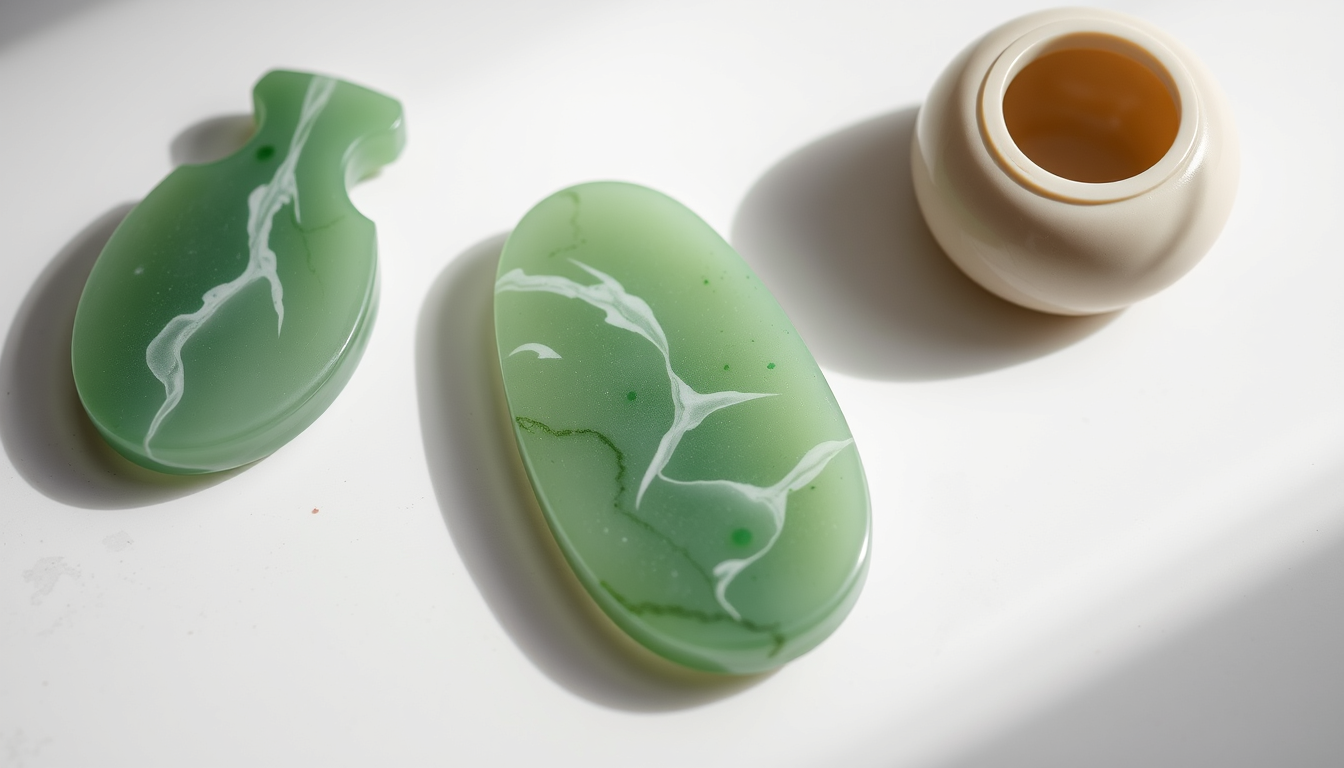
Visuals help you align strokes with lymphatic pathways and highlight ergonomic design features. The visuals below illustrate key angles, edges, and grip positions.


Myths vs. facts: separating hype from reality
- Myth: Gua sha permanently reshapes the face. Fact: It supports temporary lifting and drainage when used consistently with proper technique and skincare.
- Myth: More pressure equals faster results. Fact: Gentle pressure and longer-term routine yield safer, steadier improvements.
- Myth: Only jade works. Fact: Material matters for feel and glide, but technique and consistency drive outcomes more than any single material.
Backlinks and sponsor note: discover more with Lova Body
This post includes sponsor-supported links to lova-body.com to help readers discover design-forward gua sha tools crafted for facial lymphatic drainage. For a curated collection designed with skin physiology in mind, visit Lova Body.
Why invest in a design-forward gua sha tool: long-term benefits
Choosing a tool that prioritizes ergonomic handling, edge geometry, and high-quality materials can transform your routine. The payoff isn’t just a momentary glow; it’s consistency, comfort, and the confidence to perform your ritual without fatigue. A well-made gua sha tool becomes a dependable companion in daily skincare, encouraging a mindful routine that respects your skin’s barrier and drainage pathways.
Invitation to purchase LovA Body products
Ready to elevate your routine with a tool that blends aesthetics, function, and science? Explore the LovA Body collection, featuring jade gua sha tools, quartz gua sha tools, and ergonomic designs crafted for gentle, effective facial lymphatic drainage. Shop LovA Body products today to experience the design-driven approach to radiant skin.
Note: This post includes sponsored links to lova-body.com as part of a partner program.

Lämna en kommentar
Denna webbplats är skyddad av hCaptcha och hCaptchas integritetspolicy . Användarvillkor gäller.