
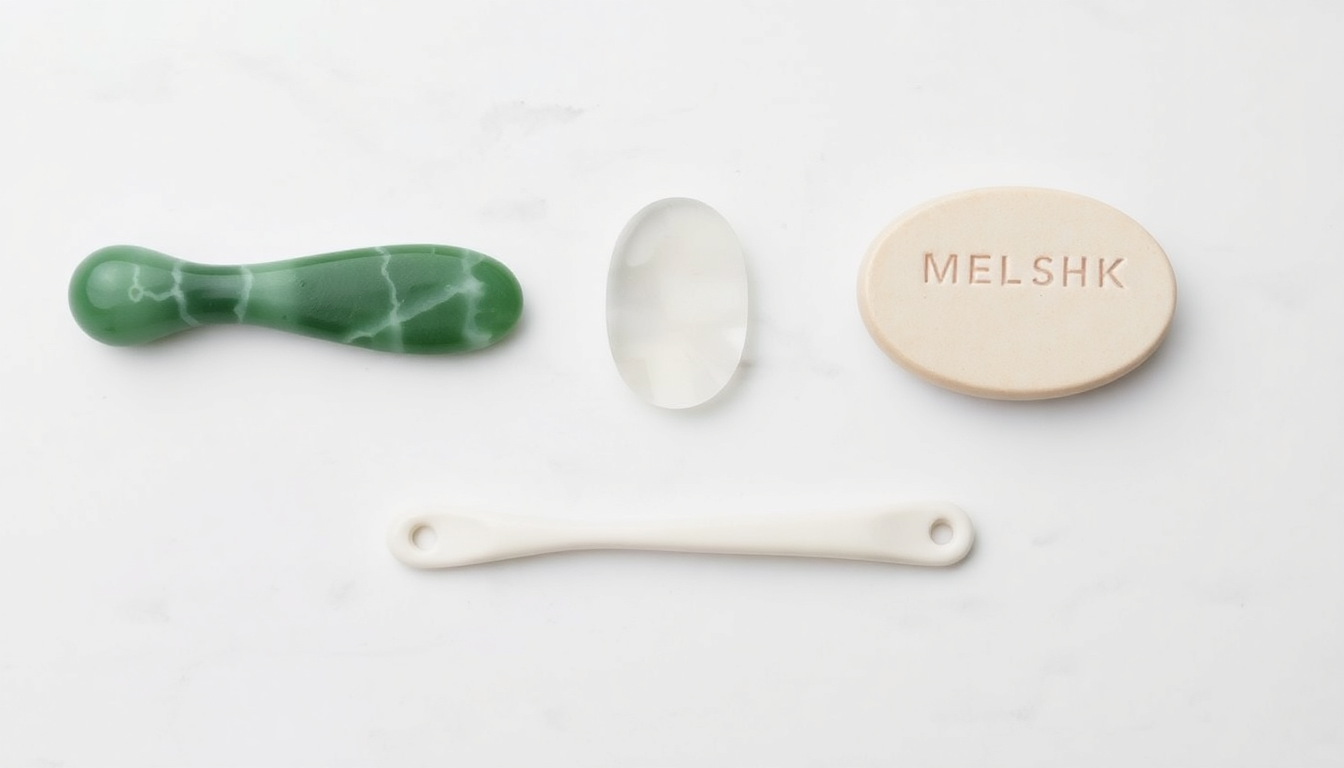
Gua sha has moved beyond a trend to become a practical skincare practice that supports facial lymphatic drainage and radiant skin. In this comprehensive guide, we compare three common tool materials—jade, quartz, and ceramic—against skilled hand techniques. The goal isn't just to pick a favorite stone, but to understand how each option can fit into a daily routine and deliver measurable benefits over time. This longer, deeper dive will help you tailor your approach to your skin type, climate, and lifestyle while keeping safety and hygiene at the forefront.

Overview: Why material matters for facial lymphatic drainage
The facial lymphatic system plays a key role in toxin removal, reducing puffiness, and supporting glow. Gua sha tools extend the reach of the hands by offering a larger contact surface and a defined edge for controlled strokes. Material influences glide, cooling effect, risk of micro-scratches, porosity, and how easy it is to sanitize. Jade, quartz, and ceramic each come with distinct characteristics that affect comfort, durability, and long-term results.
- Surface quality and drag influence drainage efficiency and skin comfort.
- Thermal properties: cooling versus slight warmth can alter perceived relief and smoothing effects.
- Maintenance: porosity and cleaning requirements determine how easy it is to keep the tool hygienic between uses.
Jade, Quartz, Ceramic: A practical, extended comparison
We break down each material with deeper usage scenarios, longevity insights, and care recommendations to help you pick a tool that aligns with your routine. Practicality, not just aesthetics, should guide your choice.
Jade: Timeless, gentle, and durable
Jade is prized for a smooth, cool glide and its traditional appeal. It tends to be slightly heavier, which some users find grounding during facial massage. Jade is generally non-porous and resilient, making it a staple for many long-term routines.
- Pros: Gentle on sensitive skin, long-lasting, natural calming aesthetic, good for beginners who benefit from a forgiving glide.
- Cons: Heavier weight may cause fatigue for some users; genuine jade can carry a premium price depending on source and quality.
- Best for: Morning routines to reduce puffiness and for users who value a traditional look and feel with a reliable glide.

Quartz: Lightweight, refreshing glide with brightening potential
Quartz is often lighter and cooler, projecting a clinical or spa-like vibe. It delivers a very smooth stroke and can feel refreshing on the skin, which can be particularly welcome after workouts or long days.
- Pros: Lightweight, excellent glide, perceived cooling sensation, often ideal for warmer climates or reactive skin.
- Cons: More prone to chipping if dropped; some users find it slippery when wet.
- Best for: Quick lymphatic drainage sessions and those seeking a refreshing feel post-exercise.

Ceramic: Lightweight, budget-friendly, and practical for travel
Ceramic tools offer a cost-friendly, portable option that some users appreciate for their clean lines and easy maintenance. They tend to stay cool and are easy to grip, which can be helpful for shorter or on-the-go sessions.
- Pros: Affordable, light, easy to clean, precise edge control for targeted areas.
- Cons: Potential durability concerns relative to natural stones; quality varies by brand and production method.
- Best for: Travelers, beginners on a budget, and anyone who wants a compact option without heavy care requirements.

Hand techniques vs Gua Sha tools: which approach suits you?
Hand-based lymphatic techniques rely on finger pressure, gentle pumping motions, and contour-following without any tool. Gua sha tools amplify the effect by providing a larger contact surface and a controlled edge for precise strokes. The two approaches can complement each other in a balanced routine.
- Control: Hands offer nuanced control around delicate zones (under-eye, nasolabial folds, inner nose area). Tools provide uniform pressure over broader surfaces like cheeks and the jawline.
- Consistency: A well-chosen tool helps standardize strokes across sessions, which is valuable for beginners building a routine.
- Hygiene: Tools require washing after each use; hands should be cleaned before and after to prevent contamination.

How to choose your tool: practical decision factors
Choosing a tool isn’t only about aesthetics; it’s about compatibility with your skin, climate, and routine. Consider these practical criteria to guide your choice and optimize results:
- Surface quality: Look for a smooth edge and a consistent finish to minimize drag and irritation.
- Weight and grip: A tool should feel balanced and comfortable for 2–5 minutes of use per session.
- Porosity and cleaning: Non-porous surfaces are easier to sanitize; avoid tools with visible pores where bacteria can harbor.
- Shape and edge profile: Arched edges suit cheeks and jaw; flatter surfaces glide well on the forehead and neck.
- Maintenance: Stone tools require gentle cleaning with mild soap and warm water; ceramic tools are often wiped clean with a soft cloth. Avoid harsh abrasive cleaners.
- Climate considerations: In hot, humid climates, a cooler tool can feel more refreshing and help control puffiness.

Step-by-step routine for facial lymphatic drainage
Prepare skin with a lightweight facial oil or serum to reduce friction. Follow the lymphatic pathways with smooth, upward strokes. The sequence below works well with all three materials and with hand techniques as well, allowing you to switch tools as needed.
- Prep: Cleanse skin and apply a thin layer of facial oil to minimize drag and protect the surface.
- Neck drainage: Start at the collarbone, using upward strokes toward the jawline to begin lymphatic flow.
- Cheeks and mid-face: Glide from the center of the face outward along the cheekbones in gentle, upward sweeps.
- Under-eye: Very gentle outward sweeps from the inner corner toward the temple; avoid pulling on delicate skin.
- Jawline and chin: Short, firm strokes along the jaw to help define contours and reduce puffiness.
- Forehead: From the center toward the temples to ease tension and support drainage.
- Neck to décolleté: Finish with long sweeps from the neck upward toward the chin and then toward the collarbone to complete the lymphatic circuit.
- Post-care: Gently pat the skin and apply a moisturizer or sunscreen if daytime.

Maintenance, safety and debunking myths
- Cleanliness: Wash tools with mild soap and warm water after each use; dry thoroughly to prevent bacterial growth. Consider a dedicated brush or microfiber towel for drying.
- Pressure and technique: Start light and progress gradually. High pressure can irritate the skin or cause erythema; technique matters as much as tool choice.
- Frequency: A common starting point is 3–5 minutes per session, 3–5 times per week, with adjustments based on skin sensitivity and lifestyle.
- Myths: Gua sha is not a miracle cure; it supports skincare routines but results vary. Consistency, proper technique, and product synergy are more influential than the color or material of the tool.

Results, expectations, and maximizing benefits
With consistent practice, many users notice improvements in facial contour, reduced puffiness, and a healthier glow within 2–6 weeks, especially when paired with a balanced skincare regimen, proper hydration, and sun protection. Remember that the timing of results varies by individual, and lifestyle factors (sleep, nutrition, stress) can influence outcomes.
Integrating tools with skincare products and routines
Gua sha tools pair well with serums, facial oils, and lightweight moisturizers. For best glide, apply products that contain humectants (to attract moisture) and emollients (to seal moisture) to support drainage and skin comfort. Consider rotating between jade, quartz, and ceramic based on your mood, climate, and skin needs to keep your routine engaging and effective.

FAQs: common questions answered
- Does gua sha work for everyone? Benefits depend on technique, consistency, and overall skincare routine. Most people see some improvement in drainage and glow over time.
- Can I use gua sha if I have sensitive skin? Yes, but go slow with pressure, choose cooler stones, and avoid inflamed or irritated skin. Always patch-test new products.
- Which material should I choose for sensitive skin? Jade or quartz are popular for their smooth glides; stone selection should prioritize comfort and grip. Ceramic can be excellent for beginners and travel.
- How do I clean and sanitize my gua sha tools? Wash with mild soap and warm water after each use, dry completely, and store in a clean, dry place. Avoid harsh chemicals that may degrade finishes.

Performance tracking: how to measure improvements
To gauge progress, track a few objective markers: reduced morning puffiness, improved jawline definition, and a more even skin tone as reported in selfies at similar lighting. You can also keep a simple journal noting sensation, glide quality, and any changes in skin texture. Over time, you may notice changes in how your makeup sits on your skin and how long radiance lasts after sun exposure.
Travel-friendly plans: packing light without sacrificing results
When traveling, ceramic tools are often the most compact and budget-friendly option. Quartz adds a cooling touch that can feel particularly refreshing after flights. Jade can be carried safely in protective pouches for a more premium feel. Consider a small, dedicated travel kit with a cleanser, a din of a lightweight oil, and a micro-fiber cloth for drying and maintenance.

Maintenance and longevity: how to maximize tool life
Protect your investment by storing tools in a clean, dry case away from direct sunlight. Avoid dropping the tools, as chipping can occur, especially for quartz. Regularly inspect edges for micro-scratches and smooth edges to maintain safe contact with your skin. If a tool develops a rough edge or significant chip, consider replacing it to avoid skin irritation.
The practical decision: a quick-start guide
Here’s a simple framework to help you choose and start a routine today:
- If you prefer a traditional feel and gentle glide: start with jade.
- If you want a lightweight tool with a crisp glide and refreshing feel: opt for quartz.
- If you’re on a budget or travel frequently: ceramic is a strong, pragmatic choice.
- Pair your choice with a consistent routine: 3–5 minutes, 3–5 times weekly, plus daily sunscreen.

Backlinks and sponsor note
This article includes sponsored backlinks to lova-body.com. If you’re considering premium gua sha tools, you may want to explore jade, quartz, and ceramic options from lova-body.com for a curated selection that emphasizes quality and value. The tools are selected to resonate with readers who value durability, performance, and design.
Visit lova-body.com to discover tools that align with your budget and routine.
Ready to elevate your facial lymphatic drainage routine? Explore and purchase premium gua sha tools at lova-body.com today.
Conclusion: the practical, patient path to radiant skin
Whether you lean toward jade’s classic glide, quartz’s refreshing touch, or ceramic’s affordable practicality, the most important factor is how consistently you apply technique, clean and maintain your tools, and pair the practice with a resilient skincare routine. The long-term payoff is not just a more sculpted look but healthier skin that breathes and glows with time and hydration. By understanding the differences among materials and integrating hand techniques when appropriate, you can craft a personalized, results-driven facial lymphatic drainage routine that stands the test of time.


Lämna en kommentar
Denna webbplats är skyddad av hCaptcha och hCaptchas integritetspolicy . Användarvillkor gäller.