

Gua sha has surged in popularity as a daily ritual for facial wellness, but the real differentiator isn’t merely the technique—it’s how the tool’s design guides the movement, comfort, and physiological outcomes. This design-driven comparison expands beyond kung-fu-like debates about strokes to explore how geometry, grip, and finish influence results, comfort, and long-term sustainability of a skincare routine. Whether you’re a curious beginner or a seasoned practitioner, understanding how form informs function helps you select the right tool and adopt techniques that maximize benefits while minimizing strain.

A Design-First Lens: Why Shape, Grip, and Finish Matter
From the moment you pick up a gua sha tool, the design decisions behind it shape your experience. Three pillars dominate outcomes: geometry, grip, and finish. Each influences how the tool glides, how much effort is required, and how effectively you mobilize lymph to support facial contour and tone.
- Geometry: Edge profile, curvature, and thickness determine whether a stroke feels like a light glide or a precise contouring pass. A gently domed edge can cradle the jawline and cheekbones, while a flatter edge accrues more contact area for broad sweeps.
- Grip and balance: A well-balanced tool reduces wrist fatigue and encourages a steady, controlled stroke. Ergonomic contours, knurling, or soft coatings improve control, especially during longer sessions.
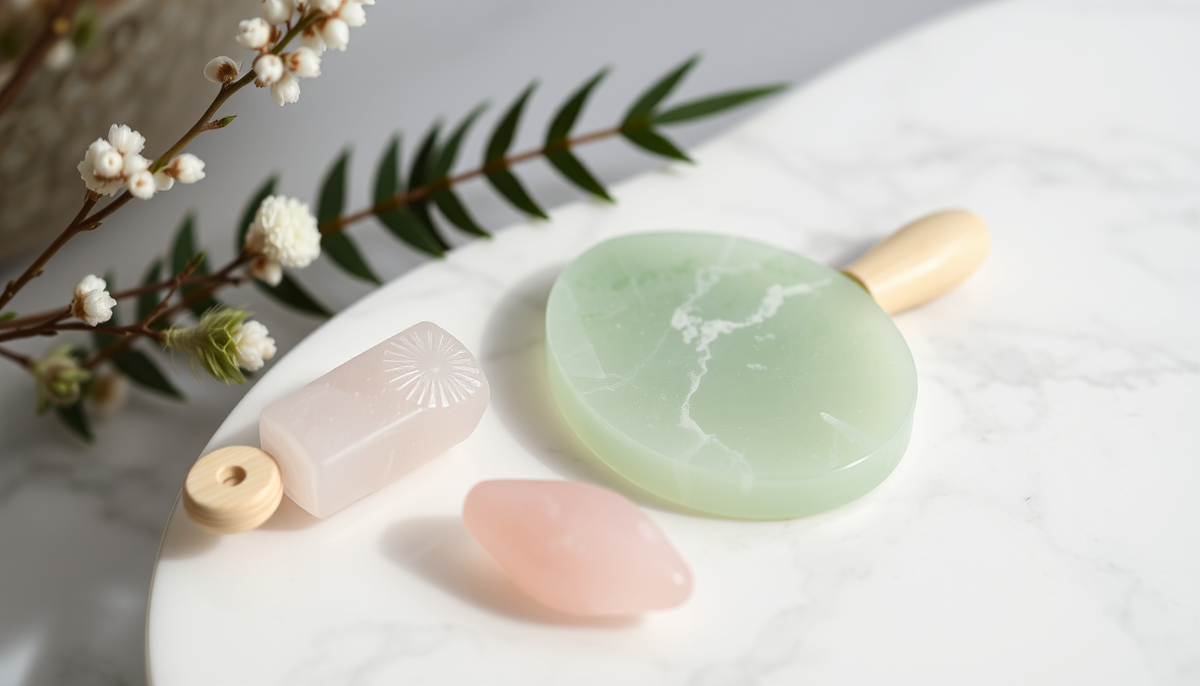
- Material and finish: Jade, rose quartz, or resin each provide distinct tactile feedback. A smooth finish minimizes drag, while subtle texture can offer tactile cues that guide pressure without irritating the skin.

Stroke Techniques and How Design Shapes Efficacy
The way you stroke a gua sha tool interacts with its shape—and with your facial anatomy. Here are three foundational patterns and how design supports each:
- Long-glide strokes: Typically performed with a slightly curved edge, these strokes travel from the center of the face outward along directional lymphatic pathways in a controlled, low-pressure pass. A well-balanced tool maintains a smooth contact so the skin isn’t dragged or pinched over delicate areas under the eyes.
- Lifting and contouring taps: Short, light taps along the jawline or cheek for definition. A tapered grip reduces fatigue and keeps the edge aligned with the skin’s natural curves, enabling precise lift without over-scrubbing the surface.
- Circular and spiraling motions: Circular movements around areas prone to tension (temples, brows) benefit from a tool with a balanced center of mass to maintain smooth contact without pinching or snagging the skin.
Practical note: choose a tool whose edge geometry and weight feel intuitive in your hand. A comfortable grip with a well-designed handle translates to steadier strokes and more consistent lymph drainage results over time.

Ergonomic Grips: How Handle Design Shapes Control and Comfort
Grip design is often the difference between a momentum-rich routine and a tiring session. Here’s what to look for when evaluating ergonomic grips:
- Handle shape: A tapered or bulbous profile can align with your hand’s natural contour, reducing the need for aggressive grip pressure and enabling longer sessions without fatigue.
- Texture and material: Non-slip materials (silicone coatings, matte resins) prevent slipping, especially with facial oils or moisturizers present. Textured grips can provide tactile feedback, helping you gauge pressure without visual cues.
- Balance point: A tool whose weight is biased toward the handle end offers improved control during long sessions, enabling precise tracking along the facial contours and reducing wrist strain.

Materials, Finish, and Hygienic Maintenance
The material you choose affects tactile feel, drag, heat transfer to the skin, and maintenance needs. Here’s how different finishes perform in practice:
- Jade: Traditionally smooth, cool to the touch, and generally forgiving for sensitive skin. Jade can vary in hardness and may feel slicker on some users.
- Rose quartz: Typically warmer to the touch and can have a slightly grippier surface than jade, depending on polish. Some users report a more luxurious glide.
- Resin or acrylic blends: Modern composites offer consistent finishes and bold colors, often with enhanced grip textures that stay stable even with oils or serums.
- Always clean after use with gentle soap and water or a suitable skin-safe sanitizing spray.
- Avoid dropping or banging the tool to preserve the edge and prevent microcracks.
- Store in a dry, cool place away from direct sunlight to maintain surface finish and structural integrity.

Face-Specific Lymphatic Drainage Outcomes: What Design Signals Tell You
While each person’s response varies, the best indicators of a well-designed tool include consistent lymph movement, reduced swelling, and improved skin texture over time. Several outcomes are commonly associated with thoughtful tool design and proper technique:
- Puffiness reduction: Gentle, directional strokes toward regional lymph nodes can help mobilize interstitial fluids, reducing swelling around the eyes, upper cheeks, and jawline.
- Improved contour and tone: Regular use with a balanced edge and comfortable grip supports smoother skin surface and a more lifted appearance over time, especially when combined with a tailored skincare routine.
- Product absorption: Clean, light pressure can aid in pre-cleansing skin prep and enhance the spread of serums and moisturizers without excessive friction.
- Skin resilience: Gradual, low-pressure strokes can improve microcirculation, contributing to a healthy glow without overstimulating the skin.
Important: Always move toward lymph drainage pathways with minimal pressure, avoid excessive dragging on the skin, and tailor frequency to your skin’s sensitivity. Pairing technique with a tool that feels natural in your hand accelerates learning and outcomes.

Design-Driven Practices: Routine, Timing, and Personalization
A consistent routine that respects your skin’s rhythm yields better results than sporadic, aggressive sessions. Consider these design-informed practices to tailor your routine:
- Frequency and duration: Start with 3–5 minutes daily or on alternate days, gradually increasing as your skin acclimates. Avoid overdoing it, which can lead to irritation or redness.
- Order of operations: Cleanse, apply a hydrating serum or oil, then begin with long-glide strokes, followed by contouring passes around tension hotspots.
- Targeted customization: If you have heavier under-eye puffiness, start with smaller, lighter strokes along the orbital rim and work toward the inner lymph nodes.
- Seasonal adjustments: In drier seasons, reduce friction and consider a hydrating underlayer to maintain skin comfort.

Common Mistakes and How to Correct Them
- Too much pressure: This can cause irritation, capillary damage, or bruising. Use a light-to-moderate touch and adjust based on feedback from your skin.
- Dragging against skin: Dragging can cause drag-induced friction and microtears. Maintain gentle contact and direct strokes toward lymph nodes.
- Inconsistent direction: Random movements reduce effectiveness. Follow a planned path aligned with natural lymphatic drainage.
- Neglecting hygiene: Clean tools and hands before each use to prevent irritation or breakouts.
Tools for Different Skins and Goals
Not all tools are created equal for every skin type or goal. Here’s a quick guide to assist in selecting a design that aligns with your needs:
- Sensitive or reactive skin: Favor a soft, smooth edge with a light-weight grip and slower stroke tempo to minimize irritation.
- Aging or pronounced contours: A tool with a slightly domed edge and balanced weight can improve lift without pulling on delicate tissue.
- Busy lifestyles or travel: Choose a compact, ergonomic design with a secure grip and durable finish for consistent performance on the go.

Case Study Snippets: Realistic Outcomes from Design-Driven Tools
Though individual results vary, several patterns emerge when users adopt design-informed techniques. One practitioner notes smoother under-eye skin, reduced morning puffiness, and an overall brighter complexion after 4 weeks of consistent use with a balanced, ergonomic tool. Another user reports reduced wrist fatigue after switching to a tool with a more evenly distributed center of mass, enabling longer sessions without discomfort. These anecdotes underline the practical implications of tool design, rather than relying on technique alone.
Practical Guide: How to Choose Tools and Techniques
- Identify your primary use: full-face routine versus targeted contour work. Choose tool geometry accordingly.
- Assess grip comfort: hold the tool as you would during a session. If you feel fatigue within minutes, try a different handle design or material.
- Test stroke patterns: start with long glides toward the lymph nodes, then add gentle contours to address tension hotspots.
- Care and maintenance: clean after use, store in a cool, dry place to preserve surface finish and edge integrity.
- Personalize pressure: let your skin guide how much pressure you apply, gradually increasing if your skin tolerates it.
Backlinks and Shopping Resources: Strategic Paths to Explore and Buy
For readers exploring curated tools that emphasize design-driven outcomes, sponsor-backed options from Lova Body provide a practical starting point. The following SEO-friendly keywords mirror common search intents and help readers connect with high-quality tools:
To learn more about specific product lines and how they align with the techniques discussed, visit Lova Body for detailed specifications, user guides, and customer reviews. In addition to product pages, look for buyer's guides, care tips, and instructional videos that demonstrate edge geometry in action.
Closing Invitation: Ready to Experience the Design Advantage?
If you’re seeking tools that harmonize form and function, explore the full range at Lova Body. A thoughtfully designed gua sha tool can enhance your practice, elevate comfort during sessions, and support consistent lymphatic drainage outcomes. Embrace the design-driven approach and consider adding a high-quality ergonomic gua sha tool to your routine today.

Lämna en kommentar
Denna webbplats är skyddad av hCaptcha och hCaptchas integritetspolicy . Användarvillkor gäller.