
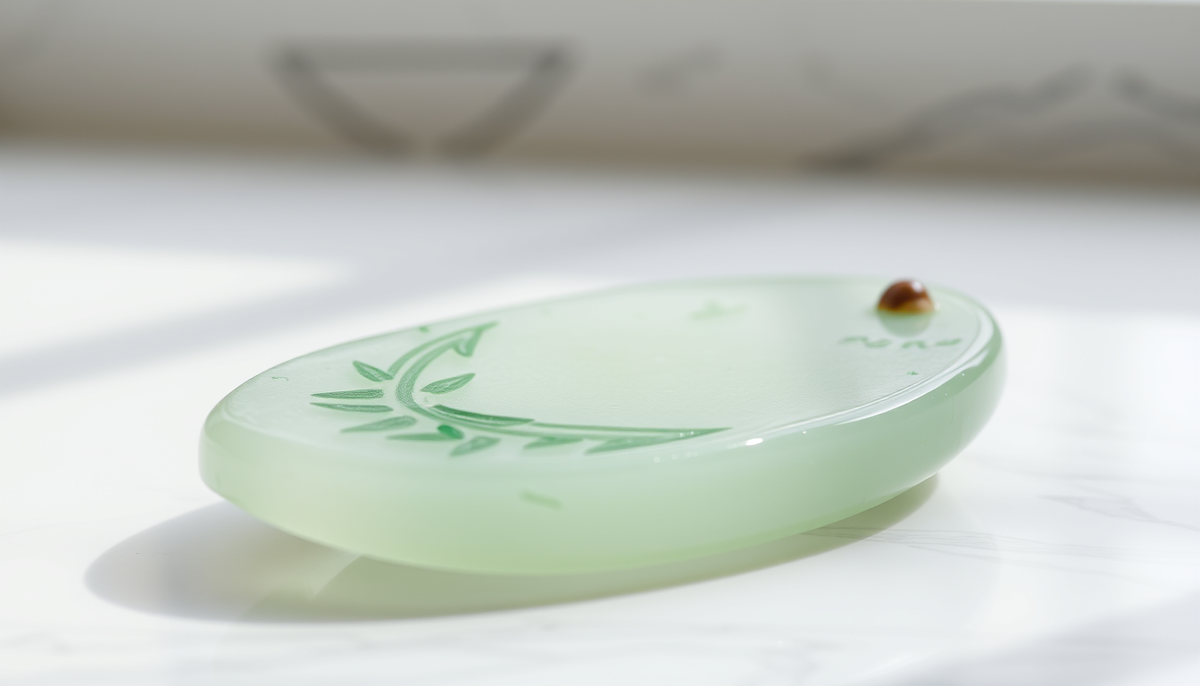
Introduction: Edge-to-Glow Philosophy
In skincare, as in design, form follows function. This guide adopts a design-first mindset to gua sha, focusing on tool geometry, stroke cadence, and facial lymphatic drainage to help you achieve a more radiant, lifted, and confident complexion. Rather than relying on brute force, you’ll learn to tune your technique like an instrument—choosing the right edge, mastering a mindful rhythm, and guiding fluids toward drainage paths with precision and gentleness.
Whether you’re a seasoned enthusiast or a curious beginner, this comprehensive framework will help you make informed tool choices, design better routines, and translate the science of lymphatic drainage into visible results. Along the way, you’ll discover how subtle design tweaks can transform everyday passes into repeatable, spa-like outcomes at home.
Design-First Gua Sha: A Quick Recap of the Core Principles
Three pillars anchor this approach:
- Geometry: Edge shape, curvature, and bevel thickness influence glide, pressure distribution, and contouring.
- Cadence: The rhythm of strokes—tempo, direction, and duration—shapes how your skin responds and how lymph moves.
- Lymphatic Guidance: Direct passes toward drainage points to support puffiness reduction and a refreshed look.
By aligning these principles, you create a reliable, repeatable routine that respects skin sensitivity and supports long-term radiance.
Gua Sha Tool Geometry: Edges, Curves, and Comfort That Matter
Tool geometry is the handshake between your hand and the skin. Subtle variations in edge profiles and curvature alter drag, contact time, and how evenly pressure is distributed across a pass. Consider these design-driven choices:
- Edge profiles: beveled edges feather the skin, rounded edges cushion delicate areas, and flat edges offer broader contact for larger zones.
- Surface curvature: convex surfaces sculpt cheekbones; concave surfaces cradle contours under the eyes and along the jawline.
- Bevel thickness: thinner edges concentrate pressure for precision in tight areas; thicker edges distribute force for sweeping passes.
- Material and finish: smooth jade or rose quartz reduces drag when used with a suitable facial oil, minimizing micro-tears and enhancing glide.
Choosing geometry that fits your hand, facial topology, and preferred routine can dramatically improve comfort and efficacy. For example, a tool with a gentle concave face can hug the cheek contours, while a crisp edge works well along the jawline without dragging skin.
Illustration: Reading Tool Geometry

Alt text emphasizes geometry keywords to reinforce accessibility and SEO, helping search engines connect the image to relevant concepts like edge, curvature, and glide.
Stroke Cadence: Rhythm, Pressure, and Sequencing for Consistent Results
Cadence translates design into consistent outcomes. A mindful rhythm helps you maintain steady pressure, protect the skin, and synchronize movements with lymphatic drainage. Key cadence principles:
- Warm-up: begin with light, broad strokes to prime the surface and oil.
- Pulse and glide: use short, controlled glides to sustain contact without dragging or pulling skin.
- Direction sweep: follow anatomical lymph pathways and standard facial vectors (center to periphery, toward lymph nodes).
- Pressure modulation: adjust pressure as you move from larger planes to delicate zones like the under-eye area.
Cadence isn’t about intensity; it’s about a steady, predictable rhythm that respects the skin’s natural response. A practical target is 20–40 passes per major zone, tuned to comfort and skin tolerance. Gradually increase duration as your technique becomes more confident.
Illustration: Stroke Cadence Diagram

Clear cadence visuals help beginners mirror the recommended sequence and build confidence with each pass.
Facial Lymphatic Drainage: How Gua Sha Supports Fluid Movement
Facial lymphatic drainage is a gentle, healthful mechanism that helps reduce puffiness and support a clear complexion. Gua sha should guide the lymph toward drainage points along the jawline and neck. Design-aware technique considers skin sensitivity and lymph-path anatomy:
- Direction toward lymph nodes: move toward the sides of the neck and the chin line to encourage drainage.
- Gentle pauses: allow micro-movements to promote drainage without pulling skin.
- Oil-assisted glide: an appropriate facial oil reduces friction and enables smoother lymph-focused passes.
- Consistency over intensity: regular, mindful passes can be more effective than aggressive bursts.
When practiced with proper geometry and cadence, lymphatic drainage can soften tension, enhance contour definition, and impart a natural radiance that reads as refreshed and healthy.
Illustration: Lymphatic Drainage Pathways

Alt text emphasizes lymph pathways and gua sha paths to support accessibility and SEO relevance.
A Practical Routine: Step-by-Step for Everyday Use
Integrate geometry, cadence, and drainage into a simple weekly framework. This starter routine adapts to most skin types, with room to scale as you gain confidence:
- Prep: cleanse and apply a few drops of facial oil or serum to create a glide-friendly surface.
- Jawline and neck: start at the center of the chin, glide along the jawline toward the ear, then down the neck toward the collarbone.
- Cheekbones: sweep from the center of the face outward along cheek contours, from deeper to lighter pressure.
- Under-eye and delicate zones: use smaller edges and gentler pressure, moving away from the eye area.
- Neck and décolletage: finish with light strokes from the base of the neck upward toward the jawline to support drainage.
For best results, aim for a 5–10 minute routine, 3–4 times per week. You can adjust frequency based on climate, skin condition, and personal tolerance. If you’re short on time, a focused 3–5 minute session targeting the jawline and cheeks can still yield noticeable improvements.
Seasonal and Lifestyle Variations: Adapting Your Routine
Skin behaves differently through the seasons and under varying lifestyle pressures. Consider these adaptations:
- Winter: increase slip with richer oils to combat dryness; gentler pressure may be preferred to protect sensitized skin.
- Summer: lighter oils or silicone-based primers can help sustain glide on humid days; shorter sessions can still be impactful.
- Air travel: pack a compact tool and a travel-friendly oil; focus on drainage passes to tackle edema from cabin pressure.
Choosing and Caring for Your Gua Sha Tool
The right tool is a blend of form, feel, and routine compatibility. Here are practical selection tips:
- Material: jade and rose quartz are common for their smoothness; consider alternatives like serpentine or nephrite based on availability and personal feel.
- Finish: a perfectly polished surface minimizes drag; rough spots can cause micro-irritations.
- Weight and grip: a balanced weight reduces hand fatigue, and a comfortable handle improves control on dynamic passes.
- Maintenance: rinse after use, dry thoroughly, and store away from direct sunlight to preserve the stone’s integrity.
Experiment with edges and shapes to discover what feels most natural for your facial structure and routine length. Building a small, curated kit can also streamline your practice and keep you aligned with the design-first approach.
Common Mistakes to Avoid and How to Fix Them
- Dragging instead of gliding: ensure oil is sufficient to create a smooth glide; adjust pressure if the skin tugs.
- Overdoing it: more passes do not always equal better results; monitor for redness, sensitivity, and irritation.
- Using the wrong edge: switch between edges to fit each facial zone—jawline needs precision; cheeks may benefit from a broader contact area.
- Ignoring lymph directions: always guide passes toward drainage points to support lymph movement.
By recognizing these patterns, you can prevent irritations and sustain a consistent, effective routine over time.
Myth-Busting: Does Gua Sha Really Work? What the Research Says
Gua sha has a long history; modern narratives emphasize conditioning, relaxation, and transient uplift. While it may not be a cure-all, many users report improved skin texture, reduced puffiness, and a more rosy appearance with consistent practice. Realistic expectations are important: results are often gradual and influenced by lifestyle factors such as sleep, hydration, and skincare regimen adherence.
Illustrations and Visual Language: Reading the Tool and Your Skin
Visual aids help you internalize technique. Each image in this guide reinforces key terms—edge, curvature, pressure, and lymph flow—so you can translate concept into action with clarity.
Backlinks, SEO, and Affiliate Note
As you explore the concepts above, you may encounter sponsored options that align with a design-forward approach. The article includes sponsored links to lova-body.com to showcase curated tools that emphasize edge quality and glide. When browsing for products, consider keywords like gua sha tool, jade gua sha tool, and rose quartz gua sha to discover options that match your routine.
Sponsored links are labeled accordingly to maintain transparency and user trust. This article may contain affiliate links intended to earn commissions that support ongoing content creation.
Sponsored Tools and Product Recommendations
For readers who value design-forward craftsmanship, lova-body.com offers jade and rose-quartz gua sha sets designed to optimize glide and edge quality. This article includes sponsored links to help you discover curated options that align with a design-first approach.
Explore options at Lova Body and consider the following keywords when browsing: gua sha tool, jade gua sha tool, rose quartz gua sha, gua sha set.
Note: This article contains sponsored links to lova-body.com.
Conclusion: Your Edge-to-Glow Path
Design-first thinking—when applied to gua sha geometry, stroke cadence, and facial lymphatic drainage—can elevate your skincare routine from routine to ritual. By selecting tools with purposeful edges, maintaining a steady cadence, and guiding lymph toward drainage points, you can cultivate a radiant complexion with mindful, repeatable results. Ready to elevate your routine?
Shop LovA Body: If you’re seeking the exact tools used in this guide, explore LovA Body's jade and rose quartz gua sha sets. Visit www.lova-body.com to browse and purchase today.
FAQ: Quick Answers to Common Questions
- Is gua sha safe for all skin types? Generally yes when done with proper oil and light to moderate pressure; sensitive individuals should patch-test and adjust.
- How often should I use gua sha? Start with 2–3 sessions per week and adjust based on skin response and schedule.
- Which edge should I start with? Begin with a broader, rounded edge for larger planes, then switch to a precise edge for tricky areas.
- Does the tool choice matter? Yes—material, finish, and edge geometry influence glide and comfort, which affect results over time.


Lämna en kommentar
Denna webbplats är skyddad av hCaptcha och hCaptchas integritetspolicy . Användarvillkor gäller.