
Gua sha has moved from a traditional healing ritual into a modern skincare practice that many users and clinicians rely on for daily radiance. This guide takes a practical, evidence-informed approach to three core pillars: tool design, stroke cadence, and facial lymphatic drainage. The goal is to help you select the right tools, execute safe and effective strokes, and experience more consistent glow over time.
Design matters: edge, shape, and material
The geometry of a gua sha tool directly affects glide, comfort, and precision. A thoughtful combination of edge, contour, and weight makes the routine feel effortless rather than abrasive. When evaluating options, consider:
- Edge geometry: a smooth bevel and rounded leading edge minimize drag on delicate skin and reduce microtrauma
- Contour fit: crescent shapes for cheekbones and jawlines, plus a narrow tip for around the eyes and along the brow bone
- Material and weight: jade and rose quartz are common, but consider the balance in your hand and how the stone’s density interacts with your pressure
- Finish and hygiene: a perfectly smooth surface that’s easy to clean supports consistent touch and skin safety

Material matters: jade, rose quartz, and alternatives
Material influences not only aesthetics but also glide and user experience. Here’s how the leading options compare:
- Jade: traditional, cool to the touch, often prized for durability and color integrity
- Rose quartz: visually appealing with a softer feel; often lighter in weight, giving a gentler touch
- Ceramic or volcanic glass: ultra-smooth and sometimes more affordable; may be lighter or heavier depending on glaze and thickness
Regardless of material, prioritize a tool with a consistent surface finish, no chips, and a geometry that suits your facial map. For many users, a combination kit (one larger tool for cheek and jaw, plus a smaller tip for the eye area) delivers the broadest benefits.

Ergonomics, maintenance, and hygiene
Your experience during gua sha should feel intuitive and comfortable. Ergonomics, ease of cleaning, and maintenance extend the life of the tool and protect skin health.
- Grip and hand fatigue: choose a tool that feels balanced in your dominant hand
- Cleaning: wash with mild soap and warm water after every use; avoid harsh cleaners that can degrade the surface
- Storage: keep tools dry and in a clean pouch to prevent contamination
- Degradation: inspect edges for chips or rough spots; a damaged edge can catch the skin
For readers exploring options, references to proven products can be found on well-curated skincare shops and blogs. When searching, terms like best gua sha tool, jade gua sha tool, and gua sha results are among the phrases skincare communities frequently use.

Stroke cadence: tempo, direction, and pressure
A well-defined cadence helps maximize drainage and contour without overstressing the skin. Think of gua sha as a careful performance with a steady rhythm rather than a frantic scrape.
- Warm-up: start with light, long sweeps along the neck to support drainage and lymph flow
- Cheeks and jaw: upward strokes toward the temples, following natural facial contours
- MidFACE focus: lift and sculpt with gentle pressure along the zygomatic arches
- Forehead: upward and outward strokes toward the hairline, avoiding downward drag
- Eye area: use the smallest edge with minimal pressure to safeguard delicate skin
Cadence blueprint for a balanced routine: 1–2 seconds per stroke, 3–4 strokes per zone, totaling roughly 5–8 minutes. Some practitioners customize cadence by zone, allowing slightly longer holds for areas with more tension or puffiness.

Facial lymphatic drainage: pathways, safety, and effectiveness
Facial lymphatic drainage focuses on guiding interstitial fluid toward regional lymph nodes with minimal friction. Gentle pressure and deliberate directions help reduce puffiness and support a radiant complexion.
- Jawline toward the preauricular region (in front of the ears) for lower face drainage
- Cheeks toward the temples and eye socket area to lift hollows and support contour
- Forehead from the brow up toward the hairline to encourage horizontal drainage along the forehead
Important cautions: avoid dragging skin downward, which can hinder drainage; never work on broken or irritated skin; if you experience redness or irritation, pause the routine and reassess your pressure and technique.

Benchmarking a tool: test protocol for your routine
To compare tools meaningfully, run a repeatable test routine and track subjective outcomes such as glide smoothness, comfort, and perceived glow. Use this straightforward checklist as you experiment with different tools:
- Glide quality: does the tool move smoothly without snagging or catching?
- Edge integrity: is the edge uniform, free from chips or burrs?
- Balance: does the weight feel comfortable during a short session?
- Hygiene: is the tool easy to clean between uses?
- Finish: does the skin respond with less puffiness and a more even tone by the end of the routine?
Set a baseline routine (e.g., 3–7 days) before changing tools, then compare the perceived glow, texture, and any changes in tightness or dullness. For SEO-conscious readers, exploring terms like guasha results while auditing your own outcomes can help calibrate expectations and refine your practice.

Choosing the right gua sha kit: what to look for
A well-rounded kit typically includes a primary tool for broad zones and a secondary tool for smaller features. When shopping, consider the following:
- One larger piece for cheeks and jawline, plus a smaller piece for the eye contour
- Complements to existing skincare: serums or oils that maximize glide and adherence
- Hygiene and packaging: easy-to-clean surfaces and protective pouches
Strategic SEO-friendly keywords you may encounter in the skincare community include jade gua sha tool, best gua sha tool, gua sha results, and lymphatic drainage.

Routine integration: skincare order and product synergy
Gua sha works best when integrated into a complete skincare sequence that respects skin barrier health. A practical order might be:
- Cleanse thoroughly to remove oil, makeup, and debris
- Apply a hydrating toner or essence to prep the skin
- Use serums with hyaluronic acid, peptides, or vitamin C as needed
- Gua sha routine with your chosen tool, following the cadence above
- Seal with a moisturizer or facial oil to lock in hydration
- Finish with sunscreen in daytime routines
For readers seeking product pairings, search terms such as lymphatic drainage and gua sha results intersect with many recommended skincare serums and oils that support glide and skin health.

Skincare for different skin types: differentiated cadences and tips
Cooling and gentle strokes are well-suited to sensitive or reactive skin, while oilier complexions may tolerate slightly longer glide on mid-face areas. Tailor pressure and duration to your skin’s cues:
: light pressure; shorter sessions; extra hydration after : maintain light-to-moderate pressure; lighter oils or gels may enhance glide : slightly slower tempo, longer glides over cheeks and forehead to promote drainage and lift
As you adjust, keep the goal in mind: move fluid toward lymph nodes with consistent, light pressure and mindful direction. Explore community notes on terms like gua sha results to learn how different cadences affect outcomes across skin types.

Case studies and practical takeaways
Here are generalized case notes drawn from routine observations in community use, illustrating how design, cadence, and drainage translate into visible results:
: Moderate cheeks and jaw; improved contour and a more awake look within 2 weeks; consistent tool with balanced weight helped maintain glide without irritation - Case B: Sensitive skin; slower cadence and lighter pressure yielded reduced redness and smoother texture after 10 sessions
- Case C: Oily skin; combination of rose quartz and ceramic tool provided the best glide and reduced shine after a 4-week period
These cases illustrate how consistent technique and the right tool design can influence perceived glow, texture, and lymphatic drainage. For readers, recording a small, structured diary of glide, pressure, and perceived glow can help quantify progress and inform tool choice.

Pro tips, myths, and common mistakes
To maximize safety and outcomes, avoid these common missteps:
- Dragging skin downward or applying excessive force, which can cause micro-tears
- Using gua sha on broken, irritated, or actively inflamed skin
- Skipping cleanser or barrier-supporting moisturizers, which can irritate skin with friction
- Ignoring signs of irritation or sensitivity; discontinue use if redness or burning occurs
Myth-busting note: gua sha does not replace dermatologic care for underlying conditions, but it can complement skincare routines when used correctly. For more on the science behind lymphatic drainage and facial massage, readers often search topics like lymphatic drainage and gua sha tools face.
Environment, ethics, and sustainability
As with any beauty tool, mindful purchasing and responsible care matter. Consider the following:
- Material sourcing: prefer stones sourced with transparent ethical practices
- Packaging: look for recyclable or reusable packaging
- Durability: a well-made tool reduces waste and lasts longer with proper care
Budget-conscious readers may explore multi-site reviews and community feedback; however, always balance price with tool quality to ensure a stable, safe glide. If you’re exploring options that align with community-endorsed phrases like jade gua sha tool and best gua sha tool, you’ll likely find options that meet both performance and ethics criteria.

Illustrations and visual guides
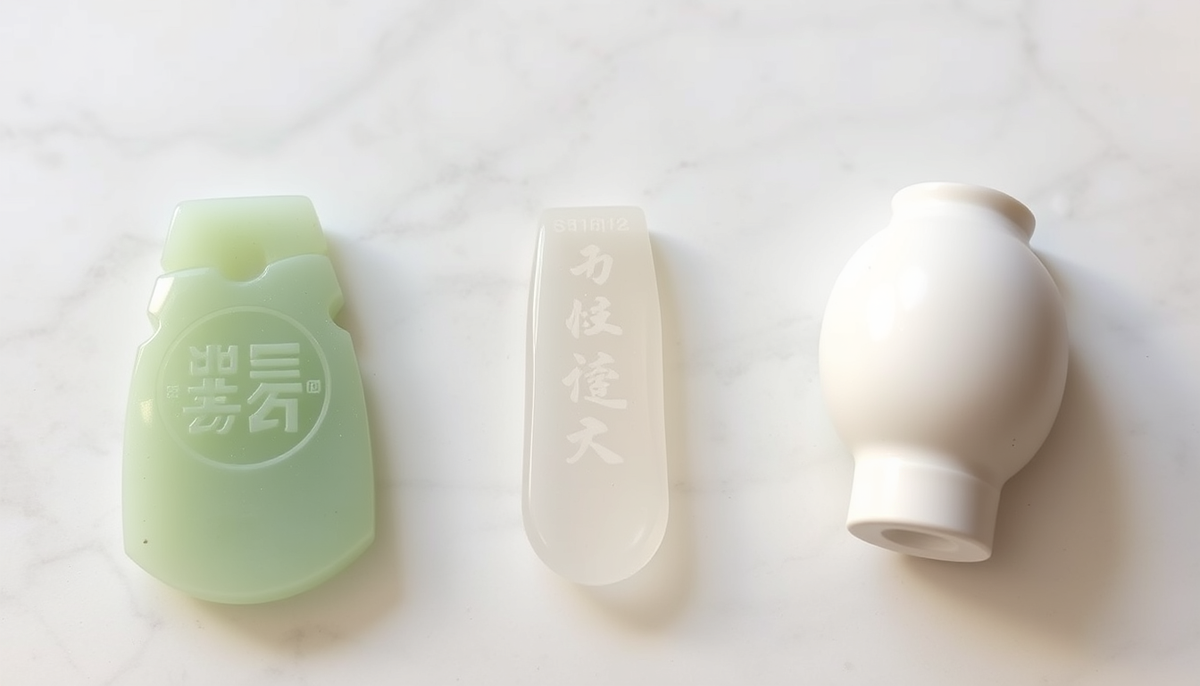
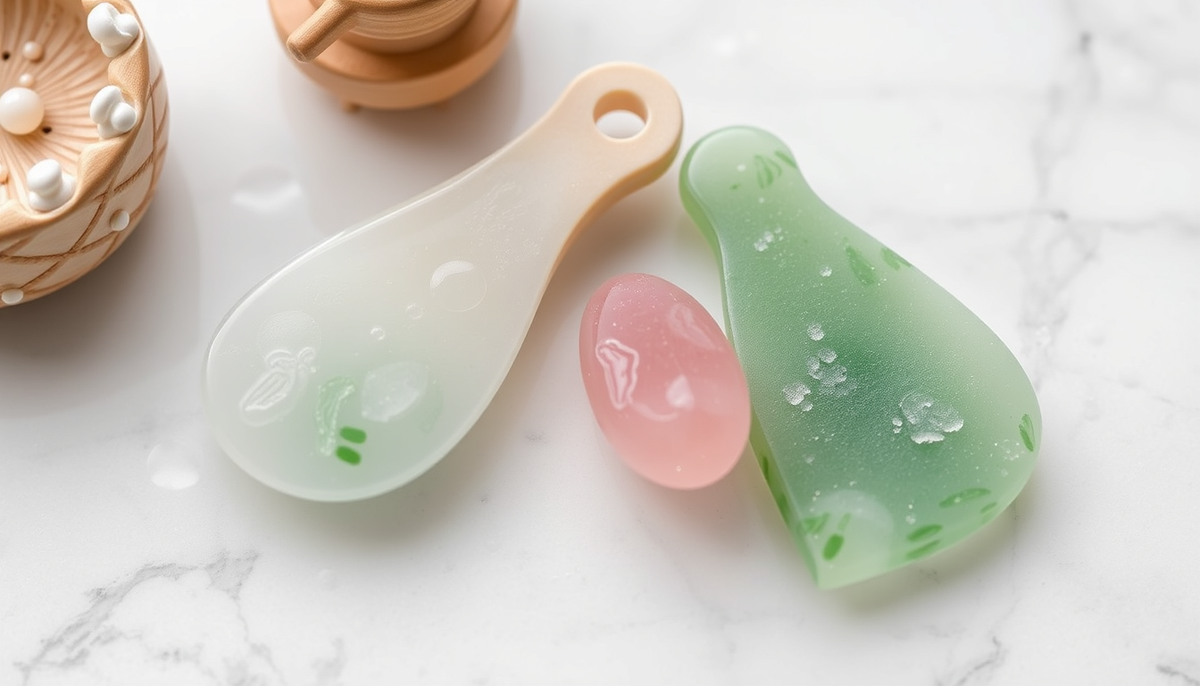
Visuals help translate technique into practice. The following illustrations support mastery of grip, stroke directions, and lymphatic pathways.


Affiliate disclosure and invitation to explore Lova Body products
Disclaimer: this article includes affiliate links; purchases through these links may provide a commission at no extra cost to you. The recommendations reflect general best practices and user experiences, and are curated to help you simplify your routine and achieve reliable results.
To enhance your routine with purpose-built tools, explore options at Lova Body. The shop features selections described in this guide, including jade and rose quartz gua sha tools that skincare communities frequently highlight with terms like best gua sha tool and gua sha results.
Ready to upgrade your toolkit? Visit Lova Body to browse curated selections designed for edge-to-effect results. By purchasing through these sponsor links, you help support the creation of more balanced, evidence-informed content like this guide.
Conclusion
High-quality design, deliberate stroke cadence, and a solid understanding of facial lymphatic drainage collectively shape the effectiveness of gua sha within a radiant skincare routine. When you choose a tool that feels balanced in your hand, practice with mindful pressure and direction, and align your skincare steps for optimal absorption, you move from edge to effect in your skincare journey.
Sponsored links note: this post includes links to Lova Body; the operation supports the creation of content while linking to products that align with the guidance provided. For readers seeking reliable options, the Lova Body collection offers well-regarded choices to accompany your routine.

Lämna en kommentar
Denna webbplats är skyddad av hCaptcha och hCaptchas integritetspolicy . Användarvillkor gäller.