
Introduction: Designing for radiance with data, not guesswork
In skincare, beauty often meets biology. This guide offers a design-first, data-driven approach to gua sha that respects facial geometry, optimizes stroke timing, and supports facial lymphatic drainage. The aim isn’t to promise miracle results, but to turn a ritual into a repeatable, measurable routine you can tailor to your unique face. By aligning tool geometry with deliberate strokes and a mindful drainage sequence, you create a dependable path toward smoother texture, improved tone, and a naturally luminous appearance.
Tool geometry: edges, curves, and contact for an even glide
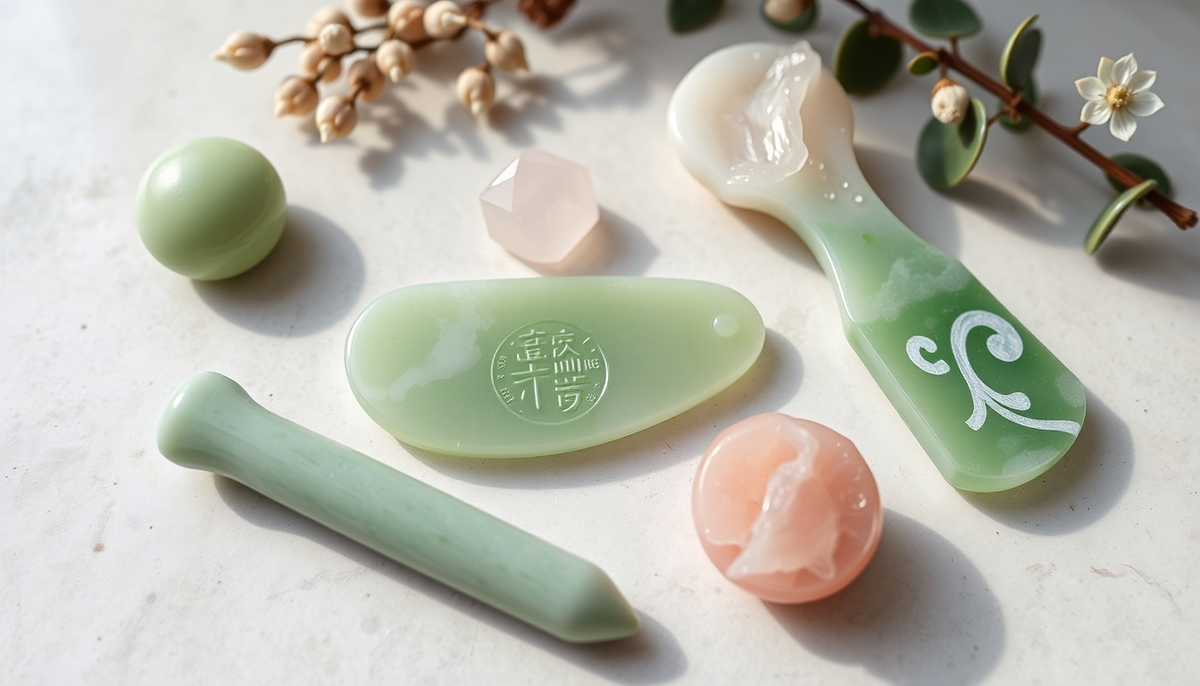
Tool geometry is not a cosmetic afterthought—it's the foundation of a comfortable, effective session. The right edges, curves, and surface area influence glide, contact, and pressure distribution, which in turn affect results and skin comfort.
- Curvature that mirrors facial contours improves coverage and reduces drag, especially along cheekbones and the jawline
- Edge profiles: delicate zones (under the eyes, around the nose) benefit from fine edges; broader edges cover cheeks and the neck efficiently
- Surface geometry matters: rounded faces with generous surface area distribute pressure more evenly, while sculpted edges offer precise contouring
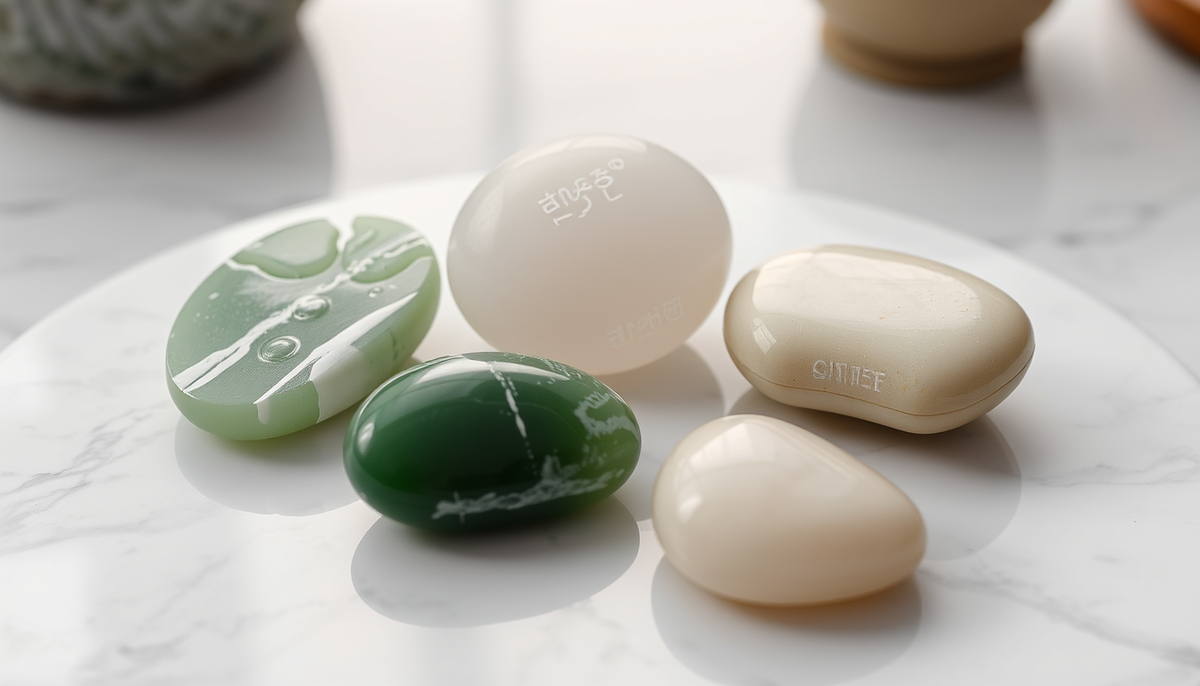
- Material matters for glide: jade, rose quartz, and other stones each impart a distinct tactile feel and cooling effect
Practical tip: when choosing a tool, test several edges at home. A well-balanced tool sits comfortably in the hand, glides with minimal resistance, and maintains a consistent contact with the skin across large and small zones alike. For more premium options, consider proven artisans and brands that emphasize craftsmanship and sustainable materials.
Keywords to explore: gua sha tool, jade guasha tool, guasha tool face.
Stroke timing and sequencing: duration, direction, and pressure
Timing and sequencing convert technique into measurable outcomes. The goal is steady, controlled contact rather than brute force. Start with larger areas and move toward smaller zones to promote smooth drainage and an even surface tone.
- Hold each stroke for 1–3 seconds with steady, gentle pressure to avoid pulling or pinching the skin
- Use a consistent direction: outward and upward motions that align with natural lymphatic pathways
- Avoid over-gliding; maintain deliberate contact and avoid dragging across fragile zones like the inner eye area
- Number of strokes per area: 6–12 strokes on larger panels (forehead, cheeks), fewer on delicate zones
- Keep a light, even touch; if you notice redness or irritation, ease up and reduce hold time
To quantify progress, many users track strokes per area and their perceived brightness or texture after each session. This small data habit—date, area, strokes, and notes—creates a feedback loop that makes improvements tangible over weeks.
Facial lymphatic drainage: why it matters and how to perform it
lymphatic drainage can support a calmer, more even complexion when performed with light pressure and proper direction. It helps move fluid toward drainage points and can reduce puffiness when done consistently and correctly.
- Begin at the neck to encourage drainage away from the face
- Move to the jawline and chin with upward, outward strokes
- Sweep the cheeks outward toward the ears, using gentle, sweeping motions
- Under the eyes, apply very light, outward motions from the inner corners
- Forehead: center to temples with gentle, outward strokes
- Ensure movements are smooth and do not press hard; adjust pressure for comfort
When paired with gua sha, lymphatic techniques can help reduce puffiness and promote a more even tone. If you have rosacea, active breakouts, or other skin sensitivities, adjust pressure and consult a skincare professional if uncertain.
A data-driven routine you can track: building a reproducible system
The essence of a data-driven skincare practice is consistency and reflection. Build a lightweight log to capture essential variables, then revisit results after 4–6 weeks to identify patterns.
- Date, tool type, and area treated
- Stroke count and average hold time per stroke
- Perceived brightness, texture, redness, and any discomfort
- Product interactions (oils/serums) and routine order
- Notes on geometry used (edge choice, direction) and any changes
Over time, you’ll discover: which edges feel most comfortable on particular zones, whether longer holds improve radiance, and how your skin responds to different product formulations. Before-and-after photos under consistent lighting are a simple way to quantify improvements.
Choosing the right tool: Jade, quartz, and material considerations
- Jade gua sha tools are traditional, often offering a smooth glide and a cooling sensation
- Rose quartz and other stones provide distinct tactile experiences; some users notice a slightly softer glide
- Metal, ceramic, and other materials alter weight, traction, and heat retention; test what feels best
- Maintenance matters: clean after use, dry thoroughly, and avoid microbiological growth
When choosing, balance aesthetics with function: how the tool feels in your hand, how it glides, and how easy it is to clean. A well-maintained tool can glide more smoothly and last longer, which aligns with a design-minded, long-term skincare plan.
Materials care and maintenance: prolonging tool life
Proper cleaning and storage protect both tool and skin. Rinse after each use, avoid abrasive cleaners, and dry completely. Store in a dry, dust-free place, ideally in a soft pouch to prevent scratches or chipping. If you notice micro-scratches, consider replacing the tool to maintain a consistent glide.
Practical illustrations and interpretation: reading diagrams for better technique
Visual references help you translate theory into practice. Seek diagrams that show edge alignment with facial contours, stroke direction, and lymphatic pathways. Keep a compact guide on your vanity to reinforce correct geometry, timing, and drainage sequence as you learn your personal optimal routine.
Putting it all together: a sample 12-minute, data-driven session
- Cleanse and apply a light layer of facial oil or serum
- Neck drainage: 6–12 strokes, 1–3 seconds per stroke
- Jawline and cheeks: broad edge for contouring, then switch to a finer edge for detail
- Forehead and temple area: center-to-temples with outward strokes
- Under-eye area: extremely light, outward motions from the inner corner
- Review your log: note what geometry, timing, and product interactions produced the best feel
As confidence grows, you’ll refine your sequence to respect your unique facial anatomy while maximizing comfort and radiance.
Does gua sha actually work? A balanced view
Many users report improvements in skin texture, tone, and edema-related puffiness with consistent practice. The improvements are typically subtle and cumulative, not dramatic overnight. The best results come from combining proper technique, appropriate products, and realistic expectations. Always listen to your skin and adjust accordingly. For curated tools and accessories, consider trusted options that align with a design-first philosophy.
FAQ: common questions about gua sha, technique, and results
- Does gua sha work on all skin types? Most people can benefit from improved microcirculation and drainage, but sensitivity varies. Start with lighter pressure and shorter sessions if you’re new to gua sha.
- How often should I use gua sha? Start with 2–3 sessions per week and observe how your skin responds before increasing frequency.
- Can I use gua sha with active breakouts? Be extra gentle and avoid irritated areas; use clean tools and a non-irritating oil or serum.
- Which tool material is best? Jade and rose quartz are common; choose based on glide, weight, and cleaning ease.
Backlinks, sponsorships, and product recommendations
For readers seeking premium options, this guide includes sponsored links to lova-body.com for tools and accessories designed for a smooth glide and durable finish. Explore the collection and discover the best gua sha tool and related skincare accessories that align with a design-first approach. These links are provided as sponsored recommendations to support high-quality tool options.
Putting it all together: a long-term, radiant skincare plan
Adopt a planning mindset: set goals for your 8- to 12-week journey, document geometry choices, and adjust hold times based on your observed responses. Pair gua sha with a simple, effective skincare routine and a steady training cadence to sustain results. Remember, consistency beats intensity—small, repeatable improvements compound over time.
Ready to elevate your toolkit? Take the next step with premium options
If you’re seeking trusted tools that align with this design-first framework, consider Lov a Body’s offerings. Their tools are crafted to deliver a consistent glide and durable finish, with options optimized for both beginners and seasoned users. Visit Lova Body to explore the range, including the best gua sha tool collection and compatible accessories.
Conclusion: Your data-driven journey to radiant skin
By combining precise tool geometry, mindful stroke timing, and an informed lymphatic drainage sequence, you create a repeatable, scalable skincare practice. Track your progress, refine your technique, and approach each session with intention. If you want a helping hand along the way, sponsor-backed options from Lova Body provide reliable tools to support your design-first approach toward glow.

Lämna en kommentar
Denna webbplats är skyddad av hCaptcha och hCaptchas integritetspolicy . Användarvillkor gäller.