
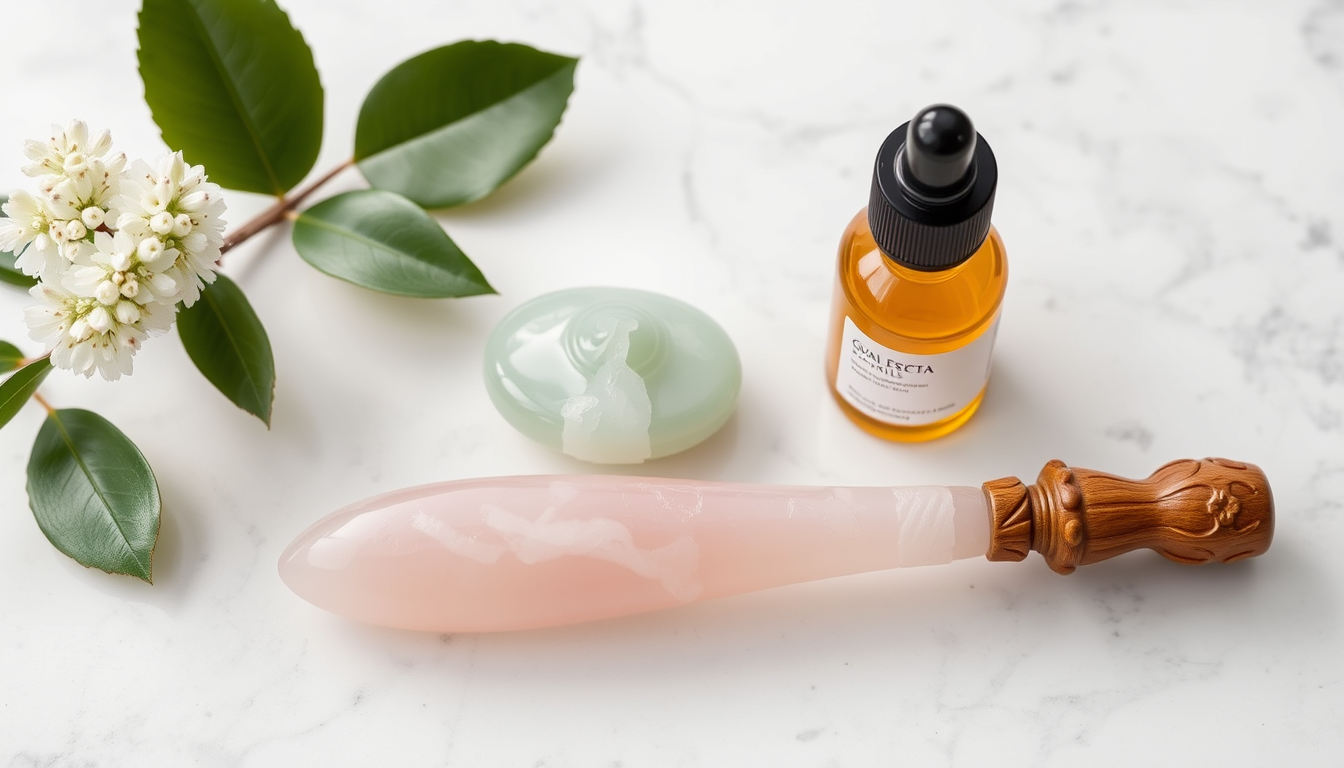
Gua sha has grown from a traditional ritual into a pragmatic skincare technique aimed at facial lymphatic drainage and a visible glow. This comprehensive head-to-head dissects tool shapes, materials, and stroke patterns to help you choose what actually works for your unique facial contours. Whether you are a beginner seeking a gentle introduction or a skincare enthusiast chasing a more precise routine, this guide offers actionable insights, tested routines, and practical decisions you can apply today.
Note: This article offers educational guidance rather than medical advice. Always test a small area first, use gentle pressure, and consult a professional if you have skin conditions, active inflammation, or medical concerns.
What is Facial Gua Sha and Lymphatic Drainage?
Gua sha involves gliding a smooth stone or metal tool across the skin to promote lymphatic drainage and microcirculation. When done correctly, it can reduce puffiness, support skin tone, and enhance a natural, healthy glow. While individual results vary, most people notice a subtler, more lifted appearance after a few sessions, especially when paired with a consistent routine and proper skin care.

Tool Shapes: How Shape Guides Contours and Access
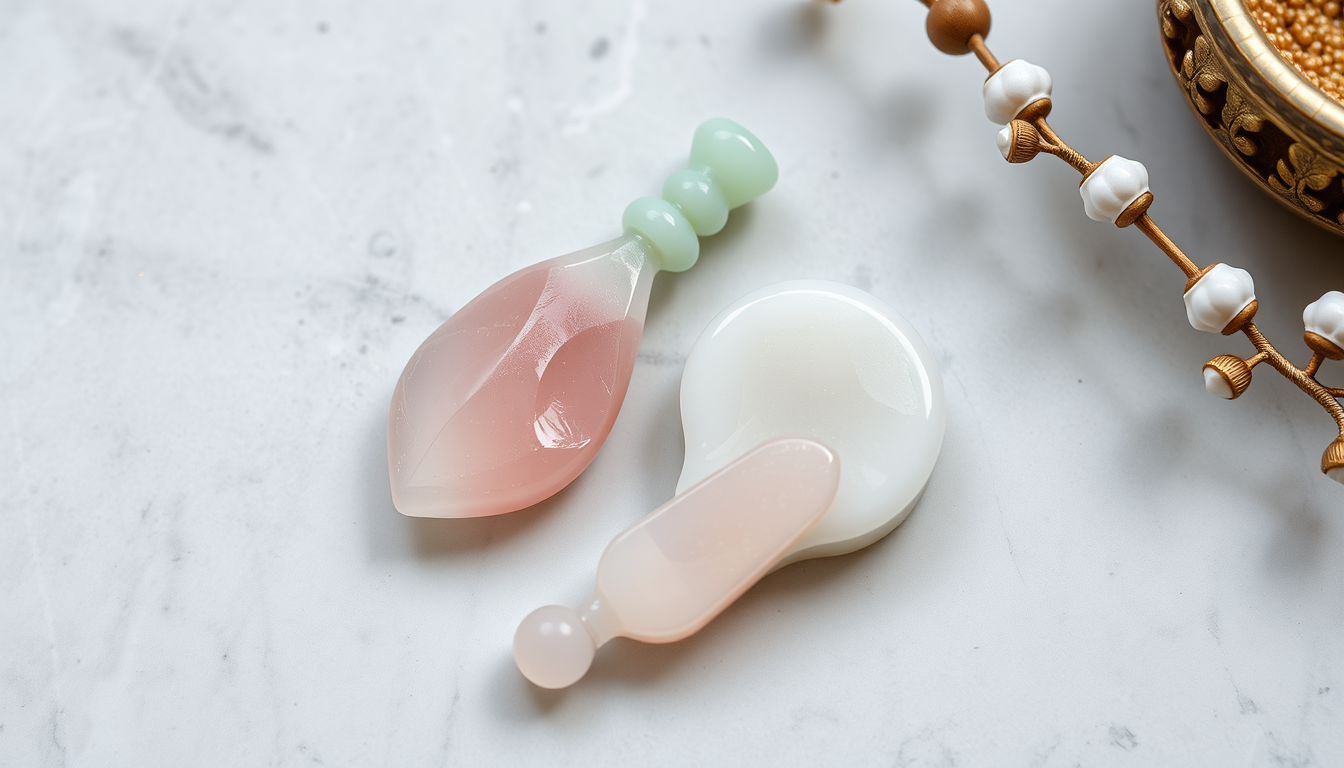
Tool shapes influence ease of following facial curves and reaching tricky angles. Here are common shapes and their ideal uses:
- Classic spoon or trowel for broad surfaces like cheeks, forehead, and the neck base
- Curved wedge or crescent for jawline, chin, and along the curves around the mouth
- Long, slender blade for lip lines, under-eye areas (with extreme caution), and smoothing along the brow
- L-shaped or serrated variants designed to follow sharper angles and tension points
- Round-edged tab or paddle for gentle contouring and broader strokes where skin is sensitive

Materials Matter: Jade, Rose Quartz, and Beyond
Material choices affect glide, weight, and how the tool interacts with your skin. Here’s a practical guide to the most common options:
- Jade – A classic choice with a smooth, cool touch. Durable and widely used in traditional practice. Pros: consistent glide, easy care. Cons: color variations do not indicate quality.
- Rose quartz – Popular for its pink hue and lighter feel. Pros: gentle on sensitive skin, aesthetically pleasing. Cons: may be slightly softer and wear quicker with rough handling.
- Metal or hematite – For a sharper glide and cooler feel. Pros: very smooth across the skin, easy to sanitize. Cons: heavier and can be overstimulating for beginners if used with high pressure.
- Resin or acrylic blends – Lightweight and accessible. Pros: versatile shapes, budget-friendly. Cons: sometimes less durable and may harbor micro-scratches if low quality.
Practical tip: always cleanse your tool after use and avoid dropping it on hard surfaces to maintain a flawless edge for smooth gliding.

Stroke Patterns and Drainage Routes
Effective gua sha follows gentle, repeated patterns that align with lymphatic drainage directions. Start with clean skin and a light, even oil or serum layer to minimize drag. Focus on drainage-friendly paths and avoid overworking any single area.
- Neck to jawline: Use upward strokes along the neck, sweeping to the jawline to encourage drainage toward the ears.
- Chin to cheek and cheek to temple: Move from the center of the face outward along the cheekbone toward the temple, promoting lymph flow outward and up.
- Nose to cheekbone and brow to temples: Gentle sweeping motions lift sagging areas and reduce pooled fluid around the eyes and cheeks.
- Forehead to temples: Glide from the center to the sides to promote a refreshed appearance.
Pressure should be light to moderate, gradually increasing only if comfortable. Typical sessions last 5–15 minutes, depending on your routine and tolerance. Always listen to your skin and avoid red marks that linger.

Head-to-Head: Shapes, Materials, and Stroke Patterns
Here is a pragmatic comparison to help you decide what to try first. Adjust based on your facial structure, skin type, and sensitivity.
- For larger surfaces: use a flat spoon in jade or rose quartz with long, even strokes. Pros: fast coverage, predictable glide. Cons: less control in tight areas.
- For contours and jawline: choose curved wedges and crescent shapes in rose quartz or jade. Pros: better contouring, gentle on curves. Cons: a learning curve for beginners.
- For delicate zones: a slender blade or specialized eye-area tool in light resin or carefully shaped stone. Pros: precise work. Cons: high risk of irritation if pressed too hard.
- Travel-friendly options: lightweight metal or resin shapes with a protective case. Pros: portability; Cons: supports shorter sessions if you skip prep steps.
From a practical perspective, jade and rose quartz remain the most common and reliable choices for most users. If you travel frequently or prefer lighter weight, resin or acrylic shapes offer flexibility without sacrificing glide. For longevity and a cooler feel, metal variants can be excellent when used with careful pressure and shorter sessions.
A Simple Routine for Visible Glow
Try this practical, beginner-friendly routine and adjust as you go. The goal is consistency and a gentle, forgiving glide that respects your skin’s natural rhythms.
- Cleanse skin and apply a light facial oil or serum to reduce drag and protect the skin's barrier.
- Begin at the neck, sweeping upward toward the jawline with gentle pressure for 1–2 minutes.
- Move to the cheeks and mid-face, sweeping from the center outward along the cheekbone toward the temple for 2–3 minutes.
- Target the chin and jaw with curved tools to follow the jawline for 1–2 minutes.
- Focus on the nose and under-eye areas with extremely gentle strokes to reduce puffiness without irritation.
- Finish on the forehead with center-to-side strokes for 1–2 minutes.
- Optional: smooth upward sweeps along the brow and outer eye corners to support a refreshed look.
Frequency: start with 2–3 sessions per week and adjust as your skin adapts. Consistency often yields the most noticeable glow over time, especially when combined with a balanced skincare routine.

Specialized Routines for Different Skin Types
Tailor your practice to your skin type and daily schedule. Here are starter guidelines, with room to evolve as you learn what your skin responds to:
- Normal/Combination skin: a balanced routine with medium pressure; focus on cheek and brow areas for ongoing glow.
- Dry or mature skin: emphasize longer pre-application serums or facial oils to improve glide; avoid aggressive strokes near fine lines.
- Sensitive or reactive skin: use the gentlest tool shapes (rounded edges, smaller surfaces) and lighter pressure; extend session duration but with fewer passes.
- Puffiness and dark circles: concentrate on the orbital area with very light pressure, integrating gentle lymphatic-friendly paths toward the temples.
Experiment with timing, tools, and serums to learn what yields the best balance of glow and comfort for your unique skin.

Safety, Care, and Common Pitfalls
- Avoid areas with open wounds, active acne breaks, or severe irritation. Stop if you experience persistent redness or discomfort.
- Use a light touch; gua sha is not about brute force. Pressure over time is more important than speed.
- Keep tools clean and dry; sanitize with appropriate methods for the material between uses.
- Patch test new materials before full use to ensure no allergic reaction.
- Be mindful of the skin around the eyes; if uncertain, use a dedicated eye-area tool with extra caution.
Always consult a dermatologist if you have skin conditions, swelling, numbness, or unusual reactions.
Maintenance, Storage, and Travel Considerations
Proper maintenance extends tool life and preserves glide. Here are practical tips:
- Clean and dry after each use; store in a cool, dry place away from direct sunlight.
- Avoid dropping tools on hard surfaces to prevent chips and edge damage.
- For metal tools, sanitize with alcohol or an appropriate sterilizer. For jade and stone, wipe with a gentle, non-abrasive cleaner and dry completely.
- Travel with a protective case and a small amount of oil or serum for on-the-go sessions.

Advanced Tips: Personalization and Layering with Skincare
To maximize results while preserving skin health, consider these advanced practices:
- Schedule gua sha after cleansing but before heavy actives; reserve certain ingredients for later in the routine to avoid over-stimulating the skin.
- Layer lightweight oils or emulsions to reduce drag and boost glide when using more sculpted shapes.
- Incorporate facial massage techniques that complement gua sha patterns for a comprehensive lymphatic approach.
- Keep sessions short but frequent; consistency often yields a brighter, more lifted appearance over time.

Backlinks and Affiliate Disclosure: Sponsorship and Recommendations
Some links in this article may be affiliate links to Lov a Body products. If you click through and make a purchase, the site may receive a small commission that supports content creation and ongoing product reviews. This helps us continue to provide in-depth, practical guidance and keep our recommendations up to date with real-world results.
For a curated selection of gua sha tools, you can explore products from Lova Body. You’ll find a range of jade and rose quartz options, along with care guides and user reviews. See examples like jade gua sha tool and rose quartz gua sha tool to compare shapes, materials, and stroke patterns before you buy.
Note: This article includes sponsor links to lova-body.com. If you click through and make a purchase, the site may receive a commission that supports content creation and ongoing product reviews.
Closing Invitation: Elevate Your Routine with Lov a Body
Ready to upgrade your gua sha toolkit? Explore the full Lov a Body collection to find a tool that resonates with your skin type and goals. Visit Lova Body and start your path to a more radiant, refreshed look with trusted materials and thoughtful design.

Lämna en kommentar
Denna webbplats är skyddad av hCaptcha och hCaptchas integritetspolicy . Användarvillkor gäller.