
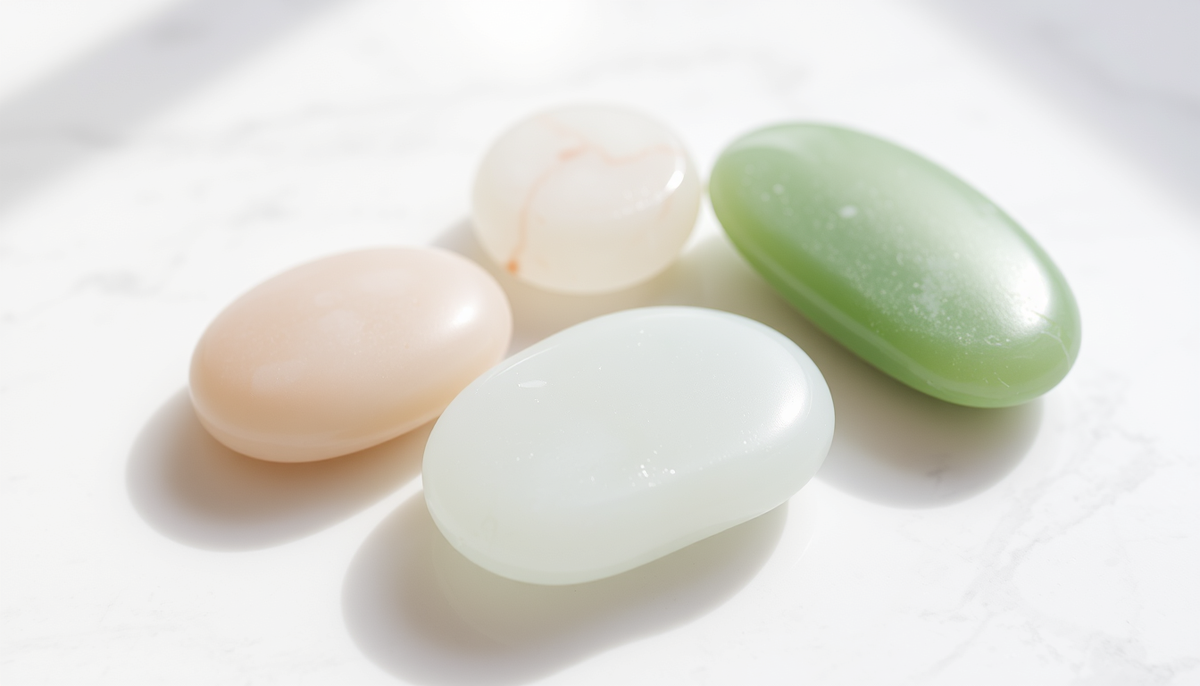
Gua sha has surged from a traditional ritual into a practical daily practice for many skincare enthusiasts. In this comprehensive guide, we perform a real‑world comparison of tool geometry, cadence, and facial lymphatic drainage to help you select a setup that aligns with your skin goals. You’ll find actionable techniques, tested insights, and considerations you can apply in your routine this week, whether you’re a beginner or a seasoned gua sha practitioner.
Tool geometry: edge shapes, curves, and coverage
Tool geometry largely governs glide, contact area, and comfort across facial contours. While material, weight, and finish matter, the geometry of the edge determines how effectively you cover broad planes and sculpt delicate features. Key categories include:
- Flat-edge tools: Ideal for broad planes such as the cheeks, forehead, and neck, delivering smooth, even sweeps with minimal drag.
- Curved or cupped edges: Designed to cradle contours along the jawline, cheekbone, and temple, enabling gentle, adaptive contact.
- Pointed or angled tips: Best for precision work around the brows, orbital rim, and nasal folds where targeted pressure matters.
- Material considerations: Jade, rose quartz, or other stones influence cooling feel and grip, but geometry largely governs results. Beginners often start with a flat edge and gradually experiment with curved or pointed edges as confidence grows.

Cadence and technique: the rhythm behind the glow
Cadence refers to the tempo and stroke length you use as you glide the tool across facial zones. A balanced cadence promotes gentle contact that moves skin—not just slides it—allowing toxins and fluids to shift toward natural drainage paths. Practical cadence guidelines include:
- For each facial zone, perform 6–12 short glides, approximately 2–4 cm per stroke, maintaining light-to-moderate contact.
- Use light pressure that nudges the skin rather than digging into it; the goal is skin movement and lymphatic activation, not friction.
- Adjust cadence by area: slower, deliberate strokes around the under-eye area; steadier, steady glides on the cheek and jawline.
- Typical sessions last 5–10 minutes, 3–5 times per week, with flexibility based on your skin’s response and lifestyle.

Facial lymphatic drainage: what you should feel and expect
Gua sha is commonly framed as a lymphatic drainage technique. When performed with proper technique, you may notice reduced puffiness, improved contour, and a brighter complexion as superficial fluids shift toward natural drainage routes. Important considerations include:
- Always move toward regional lymph nodes and avoid heavy dragging or digging into the skin.
- Target the temporal area, cheeks, jawline, and neck in a gentle, directional sequence that respects natural lymphatic pathways.
- Consistency matters: results accumulate over weeks, not from a single session, especially if you are pairing gua sha with a supportive skincare routine.
- Use a light, nourishing oil or serum to reduce tugging and support glide while encouraging lymphatic movement.

Real-world comparison: methodology and takeaways
To evaluate geometry, cadence, and drainage in practice, a structured side-by-side comparison was conducted over two weeks with three representative tool geometries across diverse facial areas. Standardization involved the same routine, pressure, and movement directions in each session, with viewers encouraged to adapt cadence and edge choice to their own facial landscape.
- Tools compared: flat-edge jade; curved-edge rose quartz; pointed-tip stainless variant for precision areas.
- Regions tested: cheeks, jawline, forehead, and a cautious approach to the under-eye area.
- Key outcomes tracked: glide smoothness, coverage, skin response (redness, warmth), perceived brightness, and the ease of maintaining a consistent cadence across sessions.

Results in practical terms
Across the two-week evaluation, tool geometry mattered most for coverage and comfort, cadence influenced the sense of flow and drainage, and technique determined the magnitude of the glow. Key takeaways for different users:
- For beginners: start with a flat-edge tool to cover broad zones, then introduce a gently cupped edge to sculpt contours as confidence grows.
- For maintenance and brightness: maintain a consistent cadence with light pressure to optimize drainage without overstimulating the skin.
- To address specific zones: use a pointed tip sparingly for precise work around brows, nasal folds, and the orbital rim.

Integrating gua sha into your skincare routine
A well-rounded gua sha routine works best when layered with moisturizers and serums that enhance glide and skin health. A simple, repeatable sequence might look like this:
- Cleanse thoroughly to remove impurities and prep the skin.
- Apply a light serum or facial oil that supports glide and hydration.
- Perform 5–8 minutes of gua sha: start with the flat edge on the cheeks and forehead, then introduce curved edges for contouring and a few pointed-tip strokes for precision zones.
- Finish with a moisturizer or facial oil to seal hydration and support lymphatic movement.

Choosing the right tool for your facial landscape
Selecting a tool geometry is a personal decision tied to your facial structure, sensitivity, and routine. When testing tools, consider the following:
- Face shape and contour complexity: curved edges can better follow cheekbone angles; flat edges may simplify initial coverage on broader zones.
- Skin sensitivity: sensitive skin benefits from lighter pressure and larger edge contact to reduce tugging, gradually introducing sharper edges as tolerance grows.
- Maintenance and material feel: jade tends to remain cool and slippery, rose quartz provides a softer aesthetic and weight, while metal variants can offer precision but require careful handling to avoid drag.

Care, safety, and maintenance of gua sha tools
Proper care preserves tool integrity and skin safety. Best practices include:
- Clean tools after each use with warm water and a mild, non-abrasive soap; pat dry.
- Avoid harsh chemicals or ultrasonic cleaners that could degrade the stone or finish.
- Store in a clean, dry pouch away from direct sunlight to preserve color and texture.
- Inspect edges regularly for chips or rough spots and replace tools as needed to maintain a smooth glide.

Myths, troubleshooting, and common questions
As with any skincare practice, myths abound. Here are practical clarifications and solutions for common situations:
- Myth: More pressure equals better results. Reality: gentle pressure with proper technique yields safer, more consistent improvements.
- Troubleshooting redness: pause if redness persists beyond a couple of hours; ensure you are using adequate glide, a suitable oil, and a comfortable cadence.
- Eye-area caution: avoid aggressive passes near the delicate orbital tissue; use light pressure and opt for a smaller edge or a gentle pass around the cheekbone instead.
- Consistency wins: improvements accumulate; short, regular sessions beat sporadic, intense sessions.

Case studies: real-world experiences
To ground the discussion, here are three concise case summaries from diverse users who integrated gua sha into their routines:
- Case A: A 32-year-old with combination skin observed reduced cheek puffiness after 3 weeks of daily 6–8 minute sessions using a flat-edge jade tool on the mid-face, followed by contouring with a curved edge.
- Case B: A 45-year-old with dry skin benefited from a consistent cadence and a rich facial oil, reporting improved radiance and steady hydration without sensitivity after 4 weeks.
- Case C: A 29-year-old with sensitive skin experimented with gentler strokes and a larger edge on the forehead and jaws, noting gentler pore appearance and more uniform color after 2 weeks.

SEO considerations and optimizing your post-readiness
For readers seeking maximum value, this article emphasizes practical steps, edge-case considerations, and routine optimization. Keywords integrated throughout include gua sha, jade gua sha tool, rose quartz gua sha, facial lymphatic drainage, tool geometry, cadence, facial massage, contouring, puffiness reduction, radiant skin, and skincare routine. Images include descriptive alt attributes to support accessibility and search relevance.
Choosing the right tool and where to buy
Selecting the right gua sha tool is a personal decision influenced by your facial landscape, sensitivity, and preferred routine. If you’re seeking high-quality, design-conscious gua sha sets and skincare synergy, explore reputable options that combine thoughtful edge design with stone quality. For many readers, LovA Body offers collections designed to pair with skincare routines and elevate the gliding experience.
Artificial or substandard tools can reduce glide and irritate skin; choose tools with smooth edges, consistent curvature, and a comfortable weight. For more on the best gua sha tool for your needs, check out the LovA Body collection at LovA Body.
Illustrated guides and product recommendations help you apply best practices—often found on the LovA Body site alongside user reviews and safety tips.
Sponsored content: This article includes sponsored links to LovA Body. Purchasing through these links supports the creation of educational skincare content.
Invitation to purchase LovA Body products
Ready to elevate your gua sha toolkit? Discover carefully designed jade and rose quartz sets, nourishing oils, and skincare accessories at LovA Body. Whether you want a classic jade tool or a modern rose quartz design, LovA Body provides options that align with real-world routines and proven technique. Visit LovA Body to browse the collection and find a tool that fits your skin goals. To maximize the benefits, pair your new tool with LovA Body’s curated serums and oils designed to enhance glide and hydration.
By choosing LovA Body, you’re supporting the continued creation of practical, educational skincare content that helps readers make informed decisions about their routines. Explore the full lineup and read user reviews to find your ideal combination of tool and skincare.

Lämna en kommentar
Denna webbplats är skyddad av hCaptcha och hCaptchas integritetspolicy . Användarvillkor gäller.