
Introduction
Gua sha has evolved from a traditional spa ritual into a practical at-home practice backed by modern skincare science. This comprehensive, long-form guide dives deep into facial lymphatic drainage using gua sha, covering the best tools, proven techniques, and routines designed to help you achieve a brighter, more sculpted complexion. You’ll learn how to perform safe strokes, support lymphatic flow, maximize product absorption, and avoid common mistakes that can dull your results.
What is facial lymphatic drainage and why it matters
The facial lymphatic system is a network of vessels and nodes that helps remove waste, toxins, and excess fluid from the skin. By encouraging gentle lymph movement, you reduce fluid stagnation that can contribute to puffiness, dullness, and sluggish skin tone. Regularly supporting lymphatic drainage can enhance circulation, improve skin texture, and improve the effectiveness of serums and moisturizers.
The science behind gua sha and lymphatic flow
Gua sha uses smooth, flat tools to apply light pressure and glide along the contours of the face. While not a substitute for medical treatment, research suggests gua sha can:
- Promote microcirculation and gentle lymphatic movement in superficial facial layers, potentially reducing fluid buildup.
- Enhance skincare absorption when performed after cleansing and application of a serum or oil.
- Aid in temporary contouring by improving tissue mobility and reducing stagnation in the facial fascia.
Always approach gua sha with respect for your skin’s limits. If you have medical conditions or concerns, consult a professional before starting a new facial ritual.
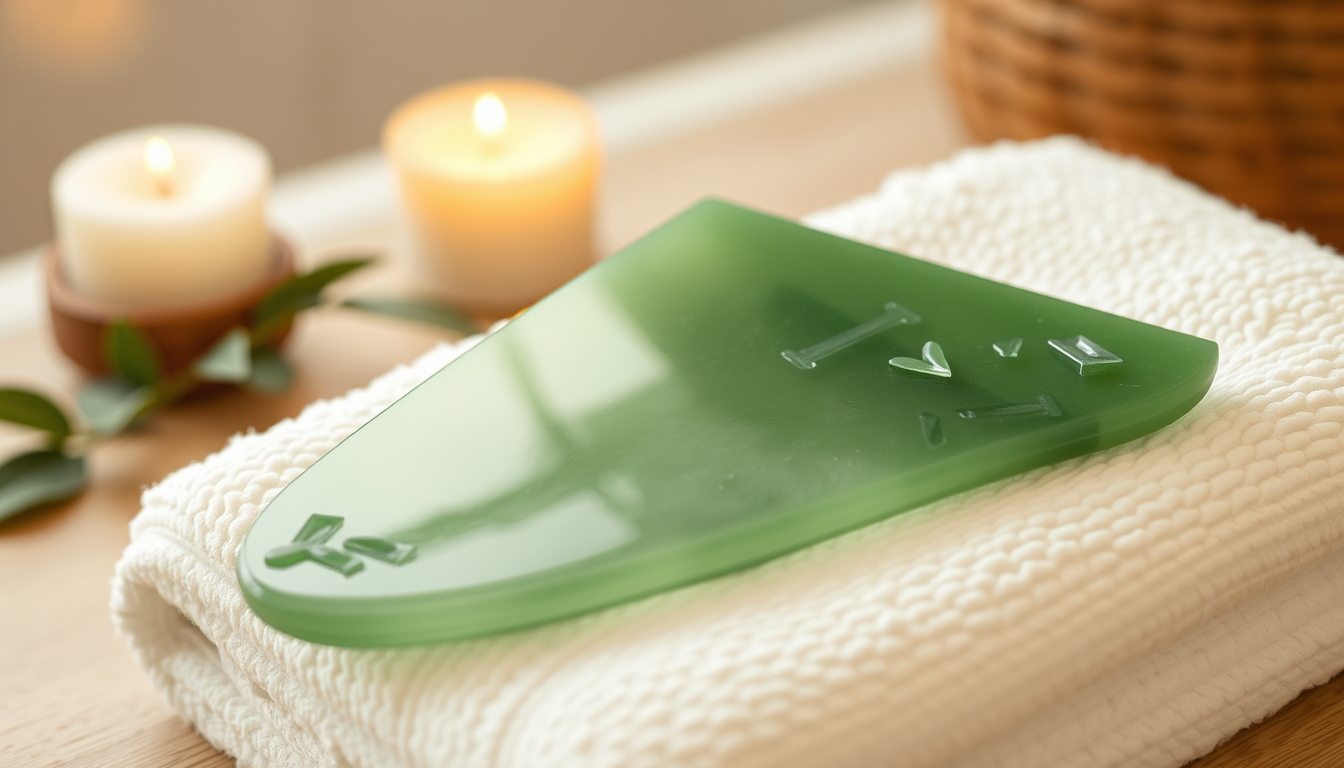
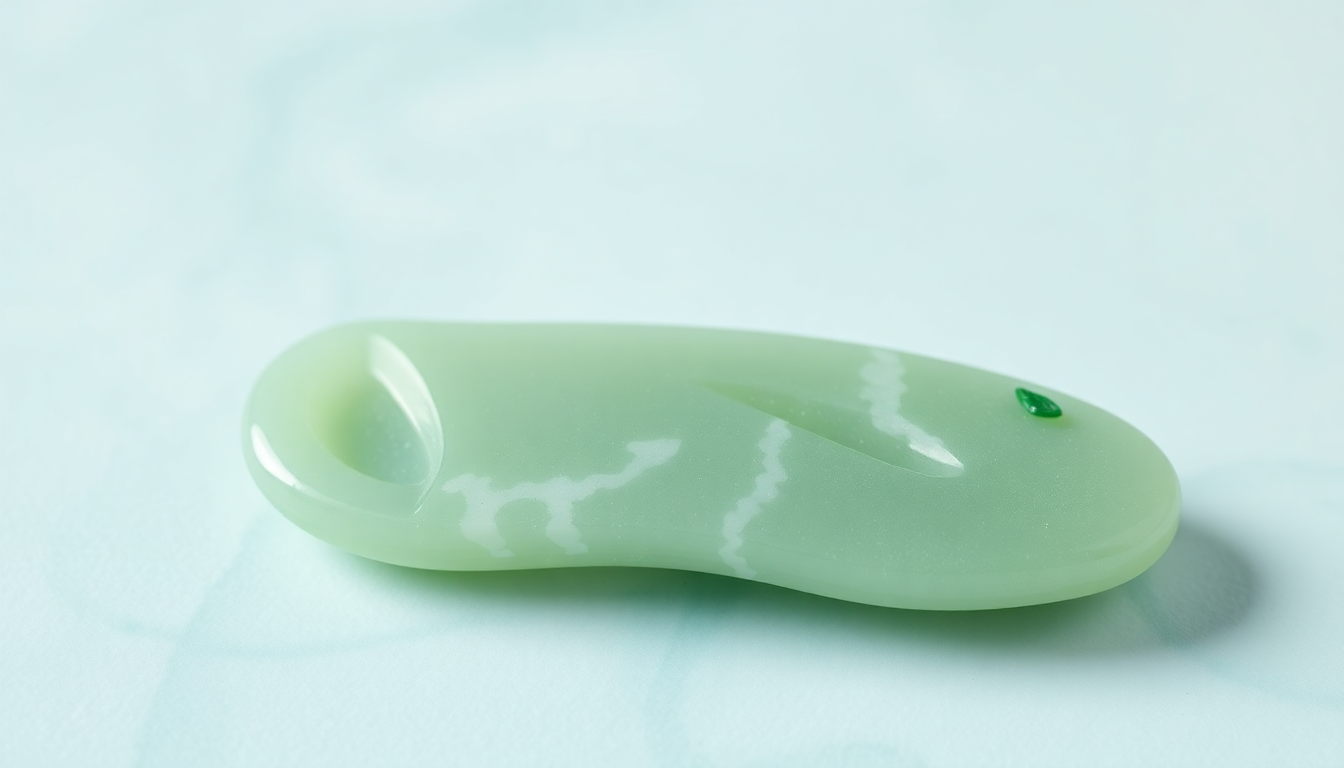
Gua Sha tools: Jade, Rose Quartz, and other materials
Tool materials influence glide, weight, and tactile experience. Common options include:
- Jade gua sha: Classic, durable, and known for a cool touch that many find calming.
- Rose quartz gua sha: Lightweight with a gentle, soothing feel and mild anti-inflammatory properties.
- Other materials: Bian stone, stainless steel, or mixed-material tools offer varied textures. The key is a smooth, rounded edge that provides an even glide.

Choosing a tool comes down to personal preference and comfort. Look for a smooth surface, a well-rounded edge, and a size that aligns with your facial contours.
How to choose a tool and where to buy
When selecting a gua sha tool, consider:
- Size and shape suited to guiding strokes across your facial zones (forehead, cheeks, jawline, neck).
- Material and finish for a comfortable glide and easy cleaning.
- Hygiene: smooth edges, durable construction, and a design that feels secure in your hand.
For high-quality options with strong user reviews for facial lymphatic drainage, explore reputable brands such as Lova Body. You can search for a jade gua sha tool or a rose quartz gua sha tool to begin your ritual with confidence.

The gua sha ritual: Step-by-step
- Prep: Start with a clean face. Apply a facial oil or serum to provide a smooth glide and prevent skin pulling.
- Warm-up: Hold the tool at a shallow angle (about 15–25 degrees) and glide from the center of the face outward (forehead to temples, cheeks toward the ears).
- Forehead and brow: Use upward strokes from the eyebrows toward the hairline to ease tension and support lymph movement.
- Cheeks and midface: Begin at the nose and cheeks, gliding outward toward the ears in long, gentle strokes. Repeat on both sides.
- Jawline and chin: Use upward and outward motions along the jaw to help drainage toward the ears and down to the neck.
- Neck and décolletage: Move from the center of the neck upward toward the jaw and ears; finish with a sweep toward the collarbone to encourage drainage.
- Finishing touch: Light tapping with your fingers along the temples and cheekbones to settle the skin after gua sha.

Tip: keep sessions to about 5–10 minutes daily or several times a week, depending on your schedule and skin needs. Consistency matters more than intensity.
Techniques for best results
- Always use a lubricating layer (oil/serum) to minimize drag and irritation.
- Glide with confidence but avoid excessive pressure; the goal is a smooth, continuous stroke that follows natural contours.
- Work symmetrically, treating both sides of the face equally to maintain balance.
- Keep the tool clean between uses and sanitize after each session.
- Mind the pressure around delicate areas like under the eyes and the orbital bone; use lighter strokes there.
Safety, precautions, and contraindications
- Avoid broken skin, active acne with open lesions, or irritated skin.
- Be gentle if you have rosacea, eczema, or very sensitive skin—reduce pressure and duration.
- Avoid gua sha over swollen lymph nodes or if you have an active facial infection without medical advice.
- Always clean tools before and after use with mild soap and water or a sanitizing wipe.
Common mistakes and how to fix them
- Pulling or dragging skin: Soften the grip and use a fluid, lifting motion rather than heavy pressure.
- Skipping the oil/serum: Without lubrication, friction can irritate skin and hinder results.
- Overdoing sessions: Daily gua sha can work for some; for others, 2–4 sessions per week may prevent redness or sensitivity.
- Using a tool with rough edges: Ensure your tool is smooth and well-finished to avoid micro-tears in the skin.
Advanced techniques and variations
Once you’re comfortable with the basics, you can experiment with advanced patterns and zones, always staying mindful of skin sensitivity:
Gentle circles around the orbital rim to help with tired eyes; use very light pressure. Very light, outward-directed strokes along the sides of the nose can support drainage, but avoid the inner eye area. Add gentle vertical sweeps from the jawline down to the collarbone for supporting drainage beyond the face.
Routine ideas: morning, evening, and weekly plans
To fit gua sha into your schedule, try these templates:
- Evening: 8–12 minutes to aid relaxation, improve absorption of night serums, and support lymphatic drainage while you sleep.
- Weekly deep-dive: 15 minutes twice a week for a more thorough contouring routine, with longer strokes on cheeks and jawline.
Travel-friendly gua sha tips
When you’re on the go, opt for a compact tool with a simple glide. Clean it with wipes, keep a small amount of oil on hand, and store in a protective pouch to preserve the shape and finish during travel.
Maintenance and cleaning
Clean your gua sha tools before and after each use with mild soap and warm water. Dry thoroughly to prevent mineral deposits and store in a clean, dry place. If your tool develops scratches, consider replacing it to maintain a smooth glide.
Results and what to expect
Consistency is key. With a regular practice, you may notice brighter skin, reduced under-eye puffiness, improved product absorption, and a more defined facial contour over weeks. Individual results vary based on skin type, hydration, sleep, and overall skincare habits.
Frequently asked questions
- Is gua sha safe for all skin types?
- Generally safe for most people when used with proper lubrication and technique. If you have sensitive or reactive skin, start with lighter pressure and shorter sessions.
- Can gua sha replace facials?
- Gua sha can complement professional treatments, but it isn’t a replacement for clinical care or professional facials when indicated.
- How soon will I see results?
- Some people notice immediate subtle changes after a single session; more noticeable improvements typically appear with consistent practice over several weeks.
- Should I use gua sha every day?
- That depends on your skin’s response. Start with 2–4 sessions per week and adjust based on how your skin feels.
Incorporating into your routine and expected timeline
Think of gua sha as a mindful ritual rather than a speed-focused task. Pair it with a clean skincare routine, hydration, sleep, and a balanced lifestyle for lasting radiance. Track progress over 4–6 weeks to understand how your skin responds and adjust your routine accordingly.
Shop the Lova Body collection
To elevate your ritual with trusted tools, explore the Lova Body gua sha range. Lova Body offers curated options such as a jade gua sha tool and a rose quartz gua sha tool designed for facial lymphatic drainage. A quality tool can enhance glide, comfort, and hygiene for your practice.

Ready to upgrade your ritual? Visit Lova Body to purchase authentic gua sha tools and start your science-backed journey toward radiant skin today.
Conclusion
Gua sha for facial lymphatic drainage blends traditional wisdom with modern skincare science to support healthier, more radiant skin. With the right tool, a mindful technique, and a consistent routine, you can enjoy smoother texture, lifted contours, and a more confident glow. Prioritize safety, listen to your skin, and consider trusted brands like Lova Body to ensure quality tools that support your goals.

Lämna en kommentar
Denna webbplats är skyddad av hCaptcha och hCaptchas integritetspolicy . Användarvillkor gäller.