
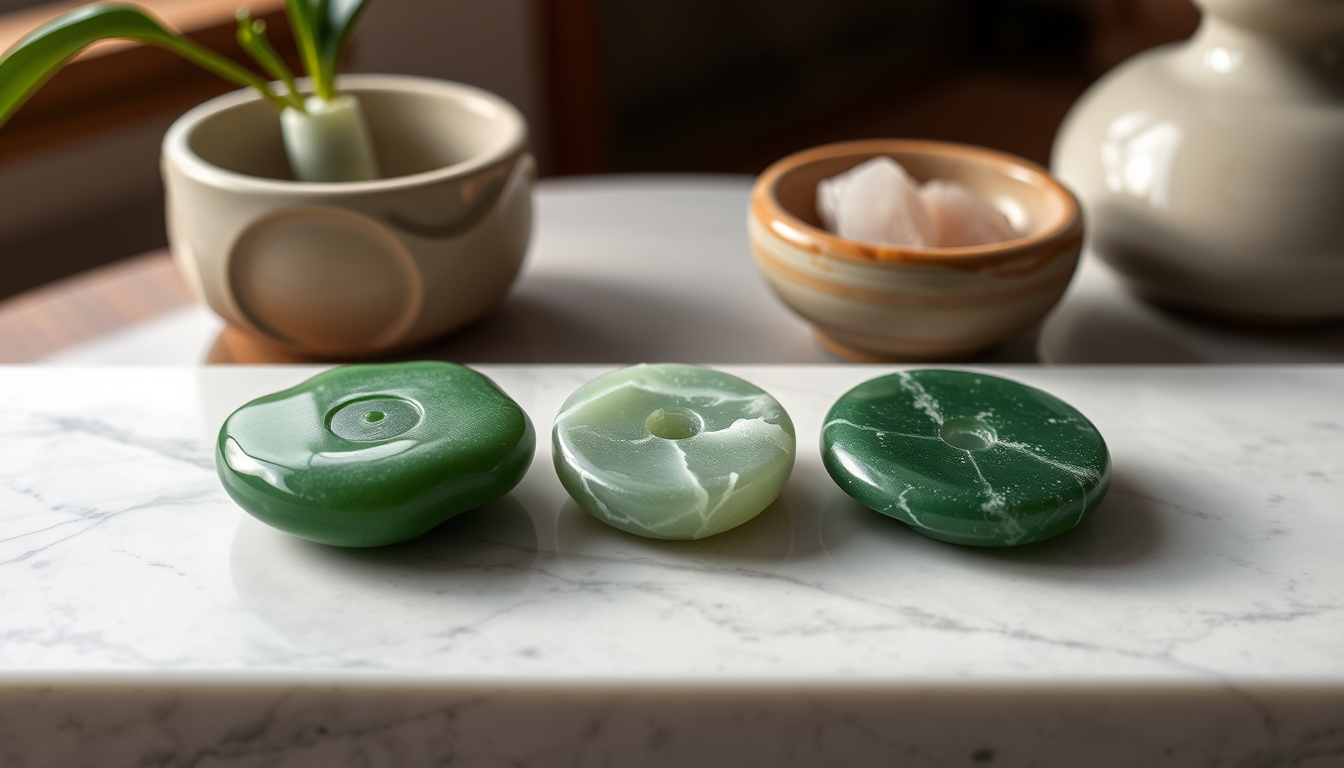
Gua sha has surged in popularity as a simple, at-home ritual to support facial lymphatic drainage, reduce puffiness, and promote a radiant glow. This comprehensive guide dives deep into three popular gua sha materials—jade, quartz, and ceramic—so you can choose the tool that best fits your skin goals and budget. Along with technique tips, care advice, and science-backed insights, you’ll find practical routines you can start today. This article also includes sponsored links to Lova Body for trusted tool options and starter kits.
The Science Behind Facial Lymphatic Drainage
Facial lymphatic drainage helps mobilize interstitial fluid, reduce stagnant puffiness, and support a more defined contour. Gua sha works by gliding a smooth stone over the skin with a light pressure, encouraging lymph flow toward regional lymph nodes. While results vary by individual, consistent, gentle use can improve microcirculation, brighten the complexion, and enhance product absorption when paired with serums or oils.
- Key benefits: reduced under-eye bags, smoother skin texture, and a more awake appearance
- What it isn’t: a replacement for medical treatment for serious swelling or inflammation
- Best practice: combine with a lightweight oil or serum to protect the skin and improve glide
Material Deep Dive: Jade, Quartz, Ceramic
Jade Gua Sha: The Classic Choice
Jade is cherished for its smooth, cool surface and a storied history in traditional wellness practices. The dense stone often offers a slightly heavier feel, which some users report as a reassuring, grounding ritual. Jade’s natural porosity may influence how it interacts with oils and serums.
- Pros: timeless aesthetic, excellent glide, long-standing cultural association
- Cons: typically higher price; varies in hardness and finish
- Best for: sensitive or mature skin; those seeking a classic, durable tool

Quartz Gua Sha: The Modern Alternative
Quartz gua sha tools are often translucent or crystal-like, delivering a crisp, glassy glide. The modern aesthetic appeals to those who enjoy a contemporary look and a cool sensation during use. Quartz can be highly polished, which some users feel reduces drag and enhances control during strokes.
- Pros: striking appearance, smooth glide, brightening potential
- Cons: can be pricier; may show micro-dings with rough handling
- Best for: fans of a modern, luxurious feel and precise control

Ceramic Gua Sha: The Budget-Friendly Option
Ceramic gua sha tools are lightweight and typically more affordable, making them an attractive entry point. Ceramic surfaces can be very smooth, offering reliable glide while staying gentle on the skin. They’re a practical choice for beginners or for travel kits.
- Pros: cost-effective, readily available, easy to replace
- Cons: finish and thickness vary; needs careful handling to avoid chips
- Best for: beginners, budget-conscious shoppers, casual users

Technique Essentials for Facial Lymphatic Drainage
Whether you choose jade, quartz, or ceramic, the technique matters more than the material for consistent results. Glide should be smooth, gentle, and aligned with natural lymph paths. Pair your tool with a nourishing oil or serum to minimize drag and protect the skin barrier.
- Prep: Start with a clean face and a thin layer of face oil or serum for a fluid glide.
- Direction: Begin at the neck and move upward toward the jawline and cheeks, following a gentle upward-to-outward pattern that supports lymph flow toward the ears and temples.
- Angle and Pressure: Hold the tool at about 15-30°, using light to moderate pressure—think a comfortable scrape rather than heavy scraping.
- Strokes: Use broad, sweeping motions across the face, focusing on the jawline, cheekbones, and forehead. Avoid tensile contact around the delicate under-eye area.
- Frequency: 3-5 minutes per session, 3-5 times per week, or as part of your daily ritual if you enjoy longer routines.
- Maintenance: Clean after each use with mild soap and water; dry thoroughly and store in a padded case.
Step-by-Step Routines: 5-Minute Quick, 15-Minute Full Session
- 5-Minute Quick: Neck up to jawline, cheeks to temples, forehead to temples. Ideal for mornings when you’re short on time.
- 10-Minute Balanced: Add gentle strokes along the periorbital area with extremely light pressure, avoiding direct contact with the eye itself.
- 15-Minute Deep Routine: Include a lymphatic drain around the lymph nodes near the ears, then frame the face along the cheekbones and jawline for sculpted definition.
Tailoring Your Tool to Your Skin Type
Skin type can influence the feel and effectiveness of gua sha. Here are quick adjustments:
- Sensitive or reactive skin: Use very light pressure and a high-quality facial oil to reduce drag.
- Dry or mature skin: Prioritize nourishing oils (like squalane or rosehip) and longer, slow sweeps to encourage drainage and glide.
- Oily or combination skin: A lighter oil layer prevents over-lubrication while still supporting glide.
- Aging concerns: Focus on contouring strokes around cheekbones and jawline for subtle lift over time.
Common Mistakes and How to Fix Them
- Too much pressure: Ease up to avoid irritation; the goal is a smooth glide, not friction.
- Dragging on dry skin: Always use a thin layer of oil or serum.
- Overdoing it: Stop if you notice redness that lasts beyond a few minutes.
- Using a rough surface: Ensure your tool is well finished and polished to prevent micro-tears.
Care, Safety, and Maintenance
- Clean after each use with mild soap and water; pat dry and store in a padded case.
- Avoid dropping the tool to prevent cracks or chips; inspect regularly for nicks.
- Keep tools away from extreme heat or direct sunlight to maintain the finish.
- Consult a professional if you have active skin conditions or if you are pregnant, as some individuals prefer to avoid facial manipulation during certain stages.
Illustrations and Visual Guides
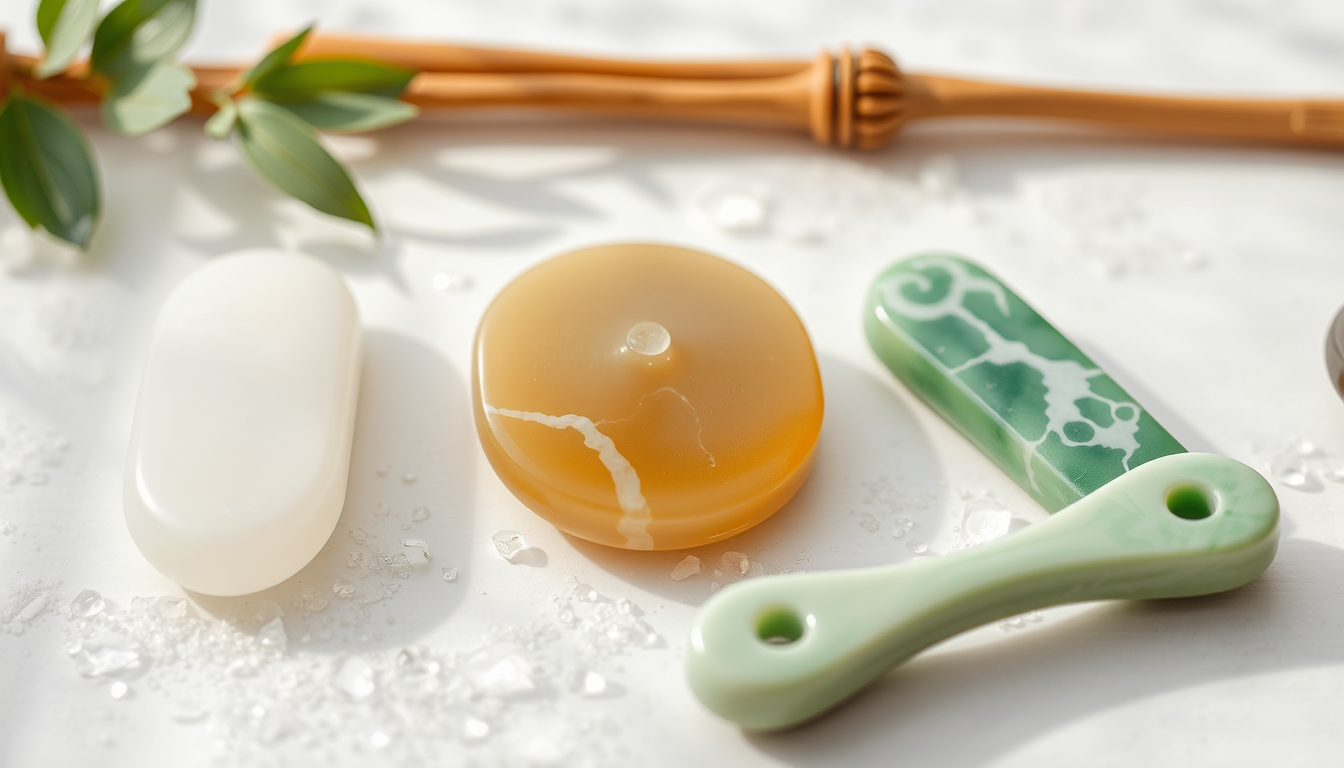
Illustrations help you visualize the lymphatic paths and proper tool placement. See examples below to guide your practice:

Shopping Guide: Where to Buy and What to Look For
When selecting a gua sha tool, look for a smooth, well-finished surface with consistent thickness. Check for any sharp edges or chips. If you’re exploring trusted options, explore the range from Lova Body and discover a curated selection of jade gua sha tool, quartz gua sha tool, and ceramic gua sha tool designed for facial lymphatic drainage.
FAQ: Debunking Myths and Clarifying Expectations
- Does gua sha “cure” aging? No, but it can complement a skincare routine and enhance glow with consistent use.
- Can gua sha replace facial massage or medical treatments? It’s a supplementary technique, best used with a balanced routine.
- Is it safe for all skin tones? Generally, yes, when performed with proper technique and skin protection.
Conclusion: A Radiant, Balanced Routine
Choosing between jade, quartz, and ceramic comes down to personal preference, budget, and how you want your skincare ritual to feel. With gentle technique, proper lubrication, and consistent practice, gua sha can be a valuable component of facial self-care and lymphatic support. Pair your tool with a thoughtful skincare routine, and you may notice a more refreshed, radiant complexion over time.
Ready to elevate your toolkit? Visit Lova Body to purchase jade, quartz, and ceramic gua sha tools crafted for gentle, effective facial massage and lymphatic support. Explore the collection at Lova Body and discover options like jade gua sha tool, quartz gua sha tool, and ceramic gua sha tool that fit your routine and style.
By embracing a thoughtful gua sha practice, you can support facial lymphatic drainage, promote a youthful radiance, and enjoy a small ritual with potentially big rewards. For those ready to commit to high-quality tools, a trusted source like Lova Body makes it easy to choose the right material and finish for your skin.

Lämna en kommentar
Denna webbplats är skyddad av hCaptcha och hCaptchas integritetspolicy . Användarvillkor gäller.