
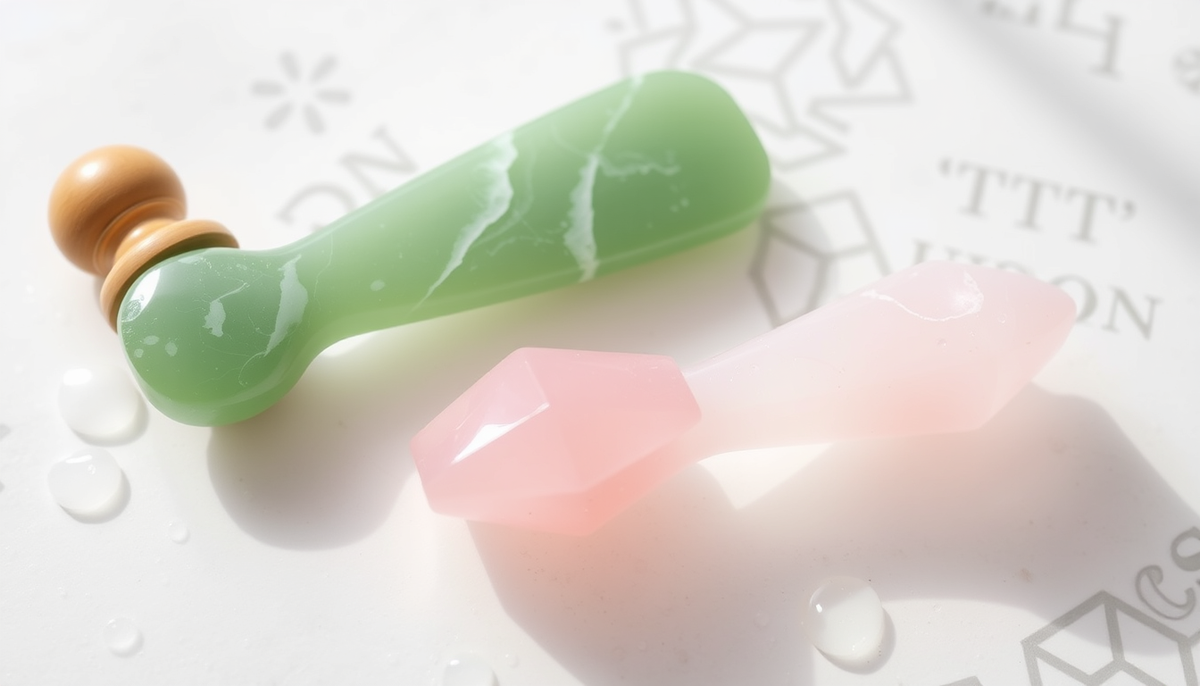
Gua Sha has moved beyond a beauty trend into a studied practice with tangible outcomes when used correctly. This long-form guide offers a comprehensive, practical assessment of form, contact points, and lymphatic results to help you achieve a visible facial glow. While results vary by individual, a deeper understanding of tool design, technique, and routine consistency can unlock meaningful improvements in texture, lift, and radiance over weeks and months.
Form, Contact Points, and Ergonomics
Tool geometry determines where contact points land, how the skin glides, and which facial regions you can treat safely and effectively. A well-designed gua sha tool aligns with facial contours, providing a comfortable grip and smooth, repeatable strokes that reduce drag and irritation.
- Edge shapes: curved edges for cheeks and jawline; flatter surfaces for broad zones like the forehead
- Contact points: smooth edges minimize friction; lightly ridged or faceted edges create varied pressure to stimulate lymphatic flow
- Materials: jade and rose quartz are popular for their sensory feel, though material alone does not guarantee results
- Grip and weight: a balanced tool reduces hand fatigue during longer sessions
When selecting a tool, choose one designed specifically for facial use with a gentle edge. A thoughtfully engineered option from Lova Body is often praised for comfortable handling and predictable glide.
Practical Safety and Setup: Preparing Skin, Serums, and Sanitation
Begin with a clean face and clean hands. Apply a light serum or facial oil to reduce drag and protect the skin from friction. Avoid heavy creams that can leave the tool dragging or clogging pores during use.
- Patch test any new oil to rule out irritation
- Clean both skin and tool after each use with gentle soap and warm water
- Keep nails short to prevent accidental scratches
Set aside a dedicated, clean space for your sessions and consider a soft towel to rest the tool between strokes for hygiene and comfort.
Step-by-Step Routine: Safe, Consistent, and Reproducible
- Begin with a small amount of oil or serum to ensure effortless glide and to protect the surface of the skin
- Forehead: glide from the center outward toward the temples with a shallow angle (about 15 to 30 degrees); repeat 5–8 strokes per area
- Cheeks: start at the center of the face and move toward the ears; sweep upward to lift the midface
- Jawline and chin: follow the jaw from the chin toward the ear to support drainage and contour
- Under the eyes: use a very light touch and short strokes along the orbital bone, avoiding the delicate skin
- Neck and décolletage: use long, downward strokes to encourage lymphatic drainage
- Finish with a gentle facial massage and seal in hydration with a moisturizer or cream
For deeper lymphatic drainage, emphasize gentle, upward motions along the lymphatic pathways of the face and neck. Consistency matters more than intensity; aim for 3–5 sessions per week for several weeks to notice a visible glow and reduced puffiness. Learn more about lymphatic drainage in skincare resources and practice with patience.
Lymphatic System, Circulation, and a Visible Facial Glow
The facial lymphatic network helps move interstitial fluid, reduce stagnation, and promote a brighter complexion. Regular gua sha sessions can support drainage and improve microcirculation, which may translate to a more lifted feel over time. Expect gradual changes, not overnight miracles; real results accrue with consistent practice over weeks and months.
- Under-eye puffiness may improve gradually with consistent technique
- Balanced pressure along lymphatic paths reduces swelling without irritating the skin
- Pair gua sha with a balanced skincare routine and proper hydration for best results
For a practical starting point, explore a high-quality gua sha tool that fits your hand and facial structure. The right tool can enhance your experience and encourage longer, more consistent sessions.
Materials and Variants: Jade, Rose Quartz, and Modern Alternatives
Traditional tools are often crafted from jade or rose quartz. Modern variants may use stainless steel, ceramic, or composite materials. Each material offers a different feel, temperature retention, and glide. Jade is known for its cooling sensation and heritage; rose quartz provides a smoother surface for many skin types; metal tools can allow edges for precision but require extra care to avoid scratches.
- Jade vs rose quartz: differences in texture, cooling properties, and user experience across skin types
- Care and longevity: stones require gentle cleaning; metal tools may need extra care to prevent micro-scratches
- Performance: edge quality and tool geometry influence results more than material alone
Consider exploring a purpose-built facial gua sha tool from Lova Body to balance form and function.
Comparative Insights: Jade vs Quartz and Modern Materials
Historically, jade was prized for its lore and cooling properties, while rose quartz gained popularity for its softer feel. Contemporary builders experiment with stainless steel, ceramic, and hybrid composites that trade feel for durability or a sharper edge for specific lines. The best choice depends on skin sensitivity, technique, and daily routine. Remember: tool shape, edge quality, and glide often influence results more than the material itself.
- Texture and cooling: jade tends to stay cooler longer; quartz often provides a smoother glide
- Durability: metal tools resist breakage but require careful use to avoid micro-scratches
- Maintenance: clean after every use; some materials benefit from oil-free storage or anti-tarnish care for metal variants
If you are considering an upgrade, explore a thoughtfully designed gua sha tool that aligns with your facial contours.
Technique by Region: Cheeks, Jawline, Forehead, and Under-Eye
Different facial zones respond best to tailored strokes. The goal is to encourage lymphatic drainage while supporting natural contours without tugging at the skin. For the delicate eye area, use a lighter touch and shorter strokes, avoiding pressure on the innermost corners.
- Cheeks: diagonal sweeps from the center outward toward the ear
- Jawline: along the jaw to lift and sculpt, moving from the chin toward the ear
- Forehead: horizontal sweeps from the center outward; avoid pressure near the temples
- Neck: long strokes from the jaw toward the clavicle to promote drainage
Advanced Techniques: Lifting, Contouring, and Precision Lines
As you gain confidence, you can refine your technique to address specific concerns: a gentle lift along the midface, accenting the cheekbones, and contouring the jawline. Maintain a light to moderate touch and stay mindful of lymphatic channels to avoid over-stimulation or irritation.
- Lift the midface by focusing strokes from the center outward toward the temples
- Contour the cheekbones with upward, outward sweeps along the zygomatic area
- Incorporate neck and décolletage strokes to support drainage
Maintenance, Hygiene, and Longevity
Regular care extends the life of your gua sha tool and protects skin health. Cleanse after each use, dry thoroughly, and avoid leaving the tool in humid environments that could promote mold or corrosion. Check for chips or rough edges periodically and either resurface or replace as needed.
- Wash with mild soap and warm water; dry completely
- Avoid contact with harsh chemicals that could degrade the surface
- Store in a clean, dry place; use a protective pouch if possible
Illustration Gallery: Visual Guides for Stroke Paths
Visual references help map effective stroke paths and understand facial anatomy. The following illustrations offer practical guidance for common gua sha routes and lymphatic pathways:


SEO and Content Strategy: How to Make This Guide Rank
For readers and search engines, this guide uses clear headings, keyword-rich sections, and instructional content. Key terms to emphasize include gua sha tool, lymphatic drainage, and facial glow. Descriptive alt text for all images and fast loading times help improve user experience and search visibility. Where relevant, link to reputable skincare resources and partner sites to strengthen authority.
Product Mentions and Sponsor Links
For readers seeking curated options, a high-quality supplier can be found at Lova Body, offering a range of facial tools designed for smooth gliding and comfortable use. Consider exploring the gua sha tool and related lymphatic drainage accessories to complement your routine. This content includes sponsor-backed link placements to support high-quality products and informed purchasing decisions.
Conclusion and Practical Takeaways
Tool design, contact points, and technique work together to support safe practice and practical lymphatic outcomes. A well-chosen gua sha tool, paired with consistent technique, can contribute to a lifted feel, reduced puffiness, and a visible facial glow over time. Patience, disciplined routine, and mindful strokes are your strongest allies.
Ready to upgrade your routine? Visit Lova Body to explore selected gua sha tool options and lymphatic drainage accessories that support healthy, radiant skin. Sponsored recommendations and explicit backlinks to lova-body.com help readers discover high-quality tools designed for facial massage and skincare optimization.


Lämna en kommentar
Denna webbplats är skyddad av hCaptcha och hCaptchas integritetspolicy . Användarvillkor gäller.