
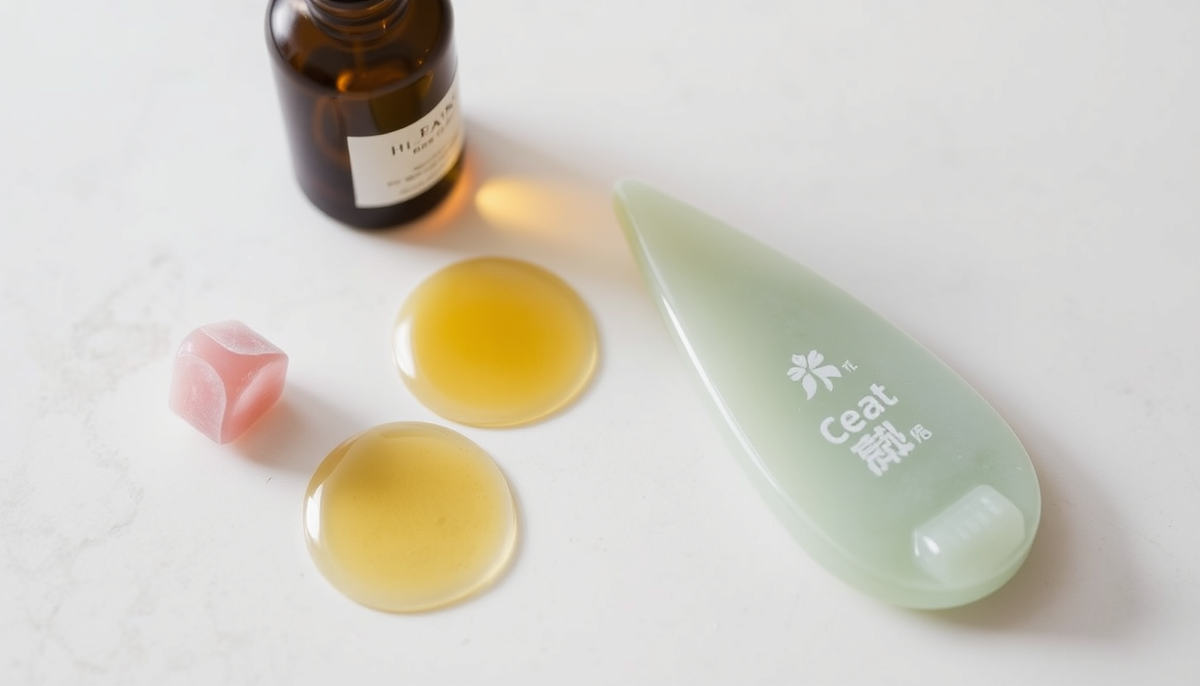
In 2026, more beauty enthusiasts are exploring Gua Sha as a practical addition to their skincare routines. This guide dives into a side-by-side examination of three core elements: tool geometry, stroke cadence, and facial lymphatic drainage. The aim is to help you choose the right tool, refine your technique, and unlock a radiance that appears visible and lasting. Whether you’re a Gua Sha newbie or a seasoned practitioner, you’ll find actionable insights, step-by-step recommendations, and visual cues to elevate your practice.
What Gua Sha Is and Why It Works for Radiance
Gua Sha is a traditional Eastern technique that involves gently scraping a smooth-edged tool over the skin to stimulate blood flow, smooth the complexion, and support lymphatic drainage. Modern skincare science supports the idea that improved microcirculation can enhance product absorption and reduce puffiness by promoting lymphatic movement. Important notes: always use a clean tool, a compatible facial oil or serum to reduce drag, and work with gentle pressure to avoid skin irritation. The goal is a healthy, dewy glow—not redness or bruising.
- Boosted microcirculation can yield a healthier-looking complexion
- Enhanced lymphatic drainage reduces fluid retention in the face
- Improved serum and oil absorption when used before or after application

Tool Geometry: Jade, Rose Quartz, and Beyond
Tool geometry refers to the shape and edge profile of the gua sha tool. Different shapes are designed to target specific areas and meet different skin needs. This section compares common geometries and when to use them.
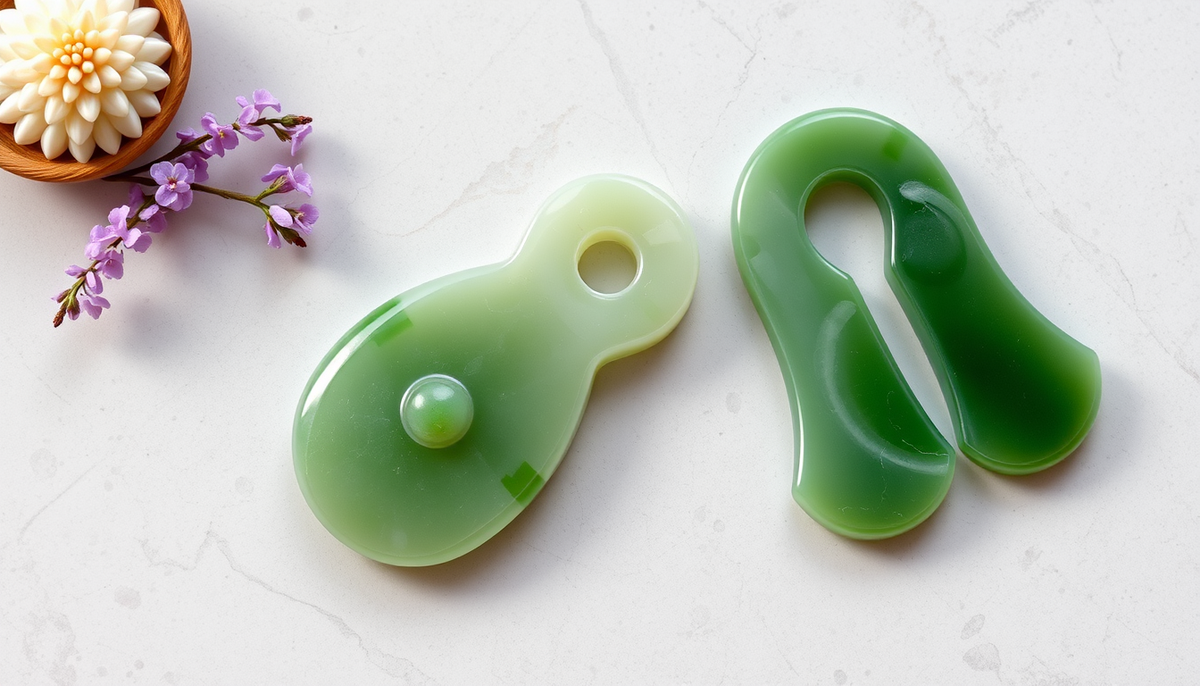
are typically versatile for broad areas like the cheeks and forehead. fit the contours of the jawline and under-eye area, providing gentle contact along the natural curves of the face. can offer a more pronounced glide for stubborn tension, but should be used with caution on sensitive skin. jade and rose quartz differ in texture and temperature retention, which can subtly affect glide and comfort. influence control; lighter tools offer nimble movement, while heavier tools can feel more stable for longer strokes.
In practice, many beauty enthusiasts start with a mid-weight rounded-edge tool (often in jade or rose quartz) and experiment with switching to a curved edge for the cheek and jawline. Illustrative comparison of geometry types can be seen in the image below.

Stroke Cadence: The Rhythm that Defines Results
The cadence of your strokes matters as much as the pressure. A thoughtful tempo helps prevent skin irritation while optimizing lymphatic drainage and circulation. Here’s a practical cadence framework you can apply across your routine.
- Preparation: start with a clean, dry area; apply a facial oil or serum to ensure smooth gliding.
- Tempo: aim for slow-to-moderate strokes, about 5–10 strokes per region per pass, depending on your comfort and skin sensitivity.
- Pressure: use light to moderate pressure—think the weight of a coin resting on the skin. Avoid sharp pressure that could irritate or bruise.
- Direction: always direct strokes toward the lymphatic drainage pathways (upward and outward on the face) to encourage drainage toward the neck.
- Duration: spend 1–2 minutes per side for a concise routine; extend to 3–5 minutes if you’re shaping a longer skincare ritual.

To personalize cadence, listen to your skin. If you notice redness that lasts beyond a few minutes or feel tautness, ease back on pressure and lengthen the glide time rather than increasing force.
Facial Lymphatic Drainage: Mechanism and Practical Application
Lymphatic drainage is essential for reducing facial puffiness and helping skincare products work more effectively. Gua Sha can assist lymphatic flow when used with proper technique and routine. This section outlines the science in plain language and translates it into actionable steps.
- The lymphatic system clears waste and excess fluids; facial drainage can influence the appearance of contour and brightness.
- Gentle strokes toward lymph nodes at the neck support drainage without overtaxing delicate facial tissue.
- Avoid overuse or aggressive scrapes that can inflame the skin and counteract drainage benefits.
- Prep with a hydrating serum or oil to reduce drag and protect the skin.
- Begin at the neck, using light strokes that lift and drain toward the collarbone.
- Move to the jawline, using cups or curved edges to follow the jaw’s contour, directing the glide upward and outward toward the ear lobes and eventually the lymph nodes near the ears.
- Cheeks: glide from the nose outward toward the temple, using gentle pressure and short passes.
- Under-eye: use the smallest edge with caution, applying very light pressure from inner to outer corner.
- Forehead: start in the center and glide toward the temples in gentle, sweeping motions.
Illustrative visuals accompany these steps to help you visualize direction and pressure. 
Side-by-Side Practical Comparison: Geometry, Cadence, and Drainage in Action
Below is a practical snapshot to help you decide which combination to pursue based on goals, skin type, and comfort level. Think of it as a quick decision guide rather than a prescriptive rulebook.
: For beginners, a smooth curved-edge jade or rose quartz tool. For targeted contouring or tense areas (jawline, brows), try a curved or slightly notched edge with caution. : If you’re new, start slower with 5–7 passes per area and monitor your skin; increase gradually as you refine control. : Prioritize moves toward the neck and décolleté to maximize lymphatic drainage benefits. : 5–10 minutes for a quick daily boost; 15–20 minutes for a comprehensive session 2–3 times a week.

Step-by-Step Tutorial: A 10-Step Routine You Can Try Tonight
Follow this practical sequence to build confidence and consistency. Use a clean tool, apply a facial oil or serum, and perform each step with mindful breathing and relaxed shoulders.
- Prepare your skin with a gentle cleanse and a nourishing serum or oil.
- Warm up the neck with light, upward strokes to awaken lymphatic flow.
- Trace from the center of the neck up toward the jawline along the sternocleidomastoid muscle.
- Move to the jawline with a curved-edge edge, gliding from the center outward and slightly upward.
- Cheek area: glide from the nasolabial fold outward toward the temple in upward sweeps.
- Under-eye: use a smaller edge, very light pressure, from inner corner to outer corner along the orbital bone.
- Glow on the cheekbone by sweeping from the center of the face outward toward the ear, repeating in clean passes.
- Forehead: sweep from the center near the brow to the temple, then outward along the hairline.
- Even out the appearance by finishing with light, sustained strokes from the middle of the face toward the neck.
- Clean your tool, dry it thoroughly, and apply a soothing serum or moisturizer to seal in benefits.

Common Pitfalls and Safety Guidelines
Mindful practice is essential. Common mistakes include excessive pressure, over-scraping a single area, or using the tool on broken or irritated skin. Safety tips:
- Avoid active acne lesions or inflamed skin.
- Don’t use the tool on freshly sunburned skin or post-surgery areas without medical advice.
- Keep sessions moderate in duration; longer does not necessarily mean better results.
- Clean the tool before and after use to prevent skin irritation and bacterial transfer.
Choosing Your Tool and Where to Shop
When choosing a gua sha tool, consider material, weight, edge shape, and your comfort level with pressure. Jade and rose quartz are the most common choices, but other materials like black obsidian have their own textures and temperature retention. If you’re curious to explore curated options and trusted brands, sponsor-linked product suggestions can be found at the end of this article.
For premium tools and a curated collection, you may encounter affiliate links to LovA Body. If you decide to explore LovA Body’s assortment, you’ll find strategically placed, SEO-focused links such as gua sha tool, jade gua sha tool, and facial massage tool—designed to support your routine and discover related products that align with your goals.
Putting It All Together: Your Personal, Radiant Routine
Here’s a concise blueprint you can tailor to your schedule. Start with a 5-minute routine and gradually expand as you gain confidence, paying close attention to how your skin responds.
- Prep: cleanse, apply serum/oil, and ensure your skin is comfortable with glide motion.
- Geometry: begin with a smooth curved-edge tool; switch to a more targeted edge if needed.
- Cadence: adopt a slow-to-moderate rhythm with 5–10 passes per region.
- Drainage: always direct strokes toward lymph nodes along the neck.
- Finish: moisturize to lock in hydration and glow.
Conclusion: Embrace Radiance, Responsibly
Gua Sha offers a practical path to improved skin texture and a visibly radiant appearance when practiced with proper geometry, cadence, and drainage principles. The most important factors are your technique, skin health, and consistency. As with any skincare tool, listen to your skin and adjust accordingly.
Note on shopping links: This article includes sponsor-linked recommendations to LovA Body. If you choose to shop via these links, you’ll be supporting the content while discovering tools that align with the guidance above. For more information, visit Lova Body.

Lämna en kommentar
Denna webbplats är skyddad av hCaptcha och hCaptchas integritetspolicy . Användarvillkor gäller.