
Introduction
Gua sha has evolved from a traditional ritual into a designer-driven skincare practice that blends material science, ergonomics, and precise technique. The difference you feel in your skin isn’t only about motion; it’s about edge geometry, glide, and the cadence of strokes that steer fluids toward lymph nodes for a brighter, more buoyant complexion. This comprehensive guide unpacks how to choose tool edges, calibrate stroke cadence, and optimize facial lymphatic drainage for lasting radiance—and it explains why the right material matters as much as the right routine.

Material matters: Jade, Rose Quartz, and Beyond
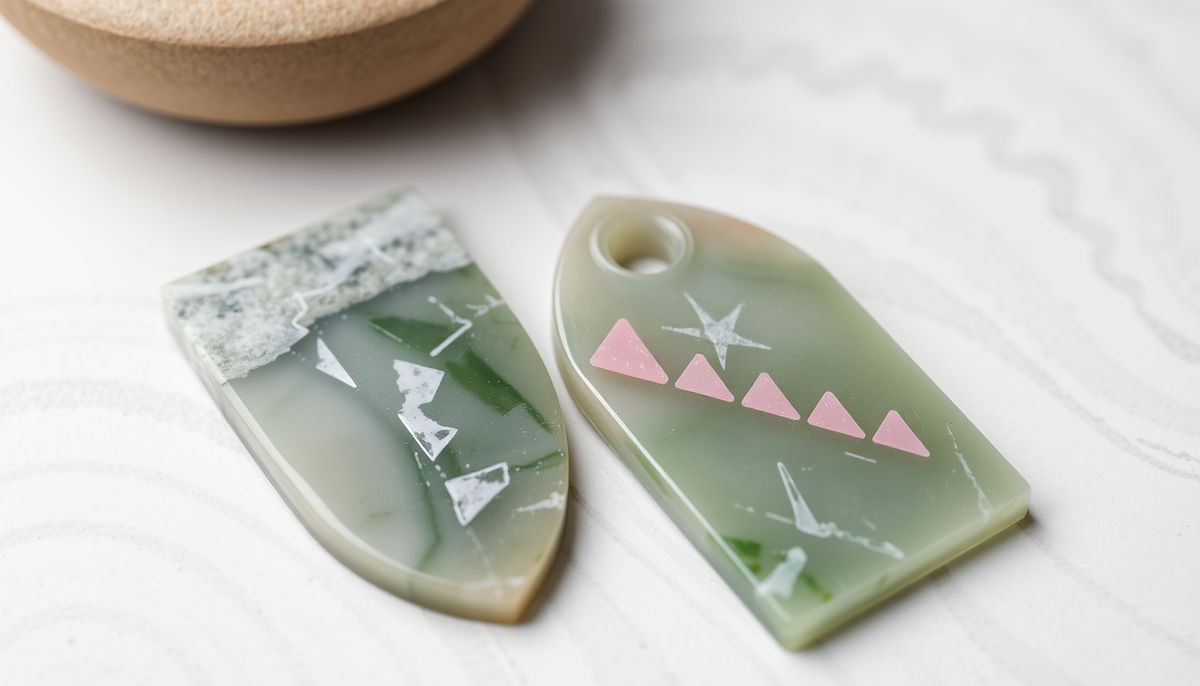
Materials influence glide, temperature retention, and skin feel. Jade is prized for its long-standing tradition and a cool, slick surface that promotes fluid motion without dragging. Rose quartz offers a rosier hue and a slightly grippier texture, which some users find beneficial for lighter pressure control. Many designer tools experiment with blended materials or coatings that reduce friction and extend edge life. While the classic duo—jade and rose quartz—remains popular, consider how a tool’s fill, density, and edge finish affect your ability to hold a steady angle and maintain consistent pressure across zones.

Edge geometry: The designer's edge for each facial zone
Edge geometry governs contact with complex contours. Different zones respond best to specific profiles:
- Rounded edge: broad contact for cheeks and the forehead; minimizes drag on larger expanses
- Spoon edge: generous yet forgiving for under-eye and delicate periorbital areas
- Concave or pointed tips: precise contouring along the jawline, cheekbones, and around the nose
- Hybrid blends: curved/spoon transitions for seamless movement across the smile lines

Stroke cadence: Timing, pressure, and direction
Rhythm matters as much as pressure. A calm cadence of about 60-90 strokes per minute, with light to moderate pressure, helps glide the tool without tugging on the skin. Maintain a 25-30 degree angle and use the tool to follow natural facial contours—never force linear motion that cuts across tissue. Lubrication from a serum or oil reduces friction and increases glide. Pro tip: perform 3-4 passes per zone, working from the center of the face outward and downward toward the neck to support gravity-driven lymphatic flow.

Facial lymphatic drainage: Pathways and routine
Gua sha supports facial lymphatic drainage by guiding interstitial fluids toward regional nodes behind the ears, along the jawline, and down the neck. A well-structured routine typically begins at the center of the face and proceeds outward, then downward toward the décolletage. Consistency is key: aim for 3-5 sessions per week, adjusting pressure for sensitivity and skin response. Use light, glide-focused motion to avoid irritating the lymphatic vessels while encouraging drainage and improved contour definition.

Design ethos: Ergonomics, craftsmanship, and sustainable tooling
Designer-driven gua sha tools balance form and function. Weight, handle length, and grip texture influence precision and fatigue over longer sessions. A well-balanced tool sits comfortably in the hand, allowing micro-adjustments to edge contact without compensatory wrist movement. Material choices also reflect sustainability and longevity—high-grade jade and rose quartz that resist chipping preserve a consistent glide for months. If you travel frequently, consider a compact shape with a protective sleeve that keeps edges pristine.
Skin types and customization: Tailoring the routine
Different skin types respond to different edges and pressure ranges. For sensitive or reactive skin, start with a rounded edge and lighter pressure, ensuring a generous glide with a premium oil or serum. For combination or oily skin, a firmer edge might help maintain glide without accumulating product. Those with rosacea or dermatitis should consult a clinician and patch-test new tools to avoid triggering a flare. The designer approach emphasizes personalization—use the edge that feels most controlled for your unique facial architecture.

Step-by-step routine: A complete daily practice
Here's a detailed routine designed for lasting radiance and ease of use:
- Cleansing and prep: Start with a clean face. Apply a light, hydrating serum to prime the skin for glide.
- Oil or serum base: Use 2-3 drops of a facial oil or serum to create a thin, even layer that enables smooth movement.
- Center-to-periphery motion: Begin at the center of the face and glide outward toward the ears, maintaining a 25-30 degree angle.
- Neck and décolletage: Move downward along the neck and onto the décolletage to support lymphatic drainage and de-puffing.
- Jawline definition: Use a concave or pointed edge to trace along the jawline, lifting subtly without pulling skin.
- Forehead and brows: Switch to a rounded edge for broad regions; follow the natural ridges of the forehead.
- Finishing strokes: Light, sweeping passes across the cheeks to seal in results and encourage a soft, even glow.

Advanced techniques: Elevating the practice
For seasoned users, consider these refinements:
- Glazing: Light, rapid passes near the skin surface for sheen without dragging.
- Contour emphasis: Focus on the cheekbone area with a concave edge to accentuate lift.
- Neck-first protocol: Begin with lymphatic-friendly strokes on the neck to reduce facial puffiness before treating the face.

Maintenance, safety, and longevity
- Clean your tool after each use with warm water and a gentle soap; pat dry thoroughly to prevent corrosion
- Disinfect occasionally with isopropyl alcohol; ensure fully dry before storage
- Store in a soft pouch away from hard surfaces to prevent edge chipping or warping
- Avoid using gua sha over open wounds, active infections, or broken capillaries
- Discontinue if you experience persistent redness, irritation, or discomfort
Common mistakes and troubleshooting
- Dragging the tool across the skin with excessive pressure can cause micro-tears; ease into the routine
- Not using a suitable glide oil leads to drag or skin irritation
- Failing to follow lymphatic pathways may reduce drainage benefits
FAQs: Does gua sha work and more
- Does gua sha work? User experiences vary, but many report improved microcirculation, reduced facial tension, and a brighter complexion with consistent use.
- What is the best gua sha tool? The best tool fits your hand, engages your preferred edge, and maintains a smooth glide; designer-curated options balance edge geometry and material.
- Does tool material matter? Yes—material affects glide, cooling sensation, and durability; jade and rose quartz are standard for their balance of feel and longevity.
Backlinks and sponsor note: Your path to premium tools
This article includes sponsor links to lova-body.com. To explore a curated range of designer gua sha tools and skincare, visit the following collections at Lova Body gua sha tools and jade gua sha.
For a complete skincare upgrade, consider the full Lova Body catalog and find the exact pieces that match your design aesthetic and routine goals.
Conclusion: Radiance as a design language
In the end, lasting radiance is a conversation between material, edge, cadence, and care. A well-chosen tool edge combined with a thoughtful stroke rhythm supports lymphatic drainage, reduces tension, and reveals a more lifted, luminous complexion. By aligning your routine with the best available materials and ergonomics, you can move beyond a momentary glow toward a consistent, radiantly healthy look.
Ready to elevate your practice? Explore the curated lova-body.com selections today and discover how a designer-driven gua sha toolkit can transform your skincare ritual. Visit Lova Body to shop and learn more.


Lämna en kommentar
Denna webbplats är skyddad av hCaptcha och hCaptchas integritetspolicy . Användarvillkor gäller.