

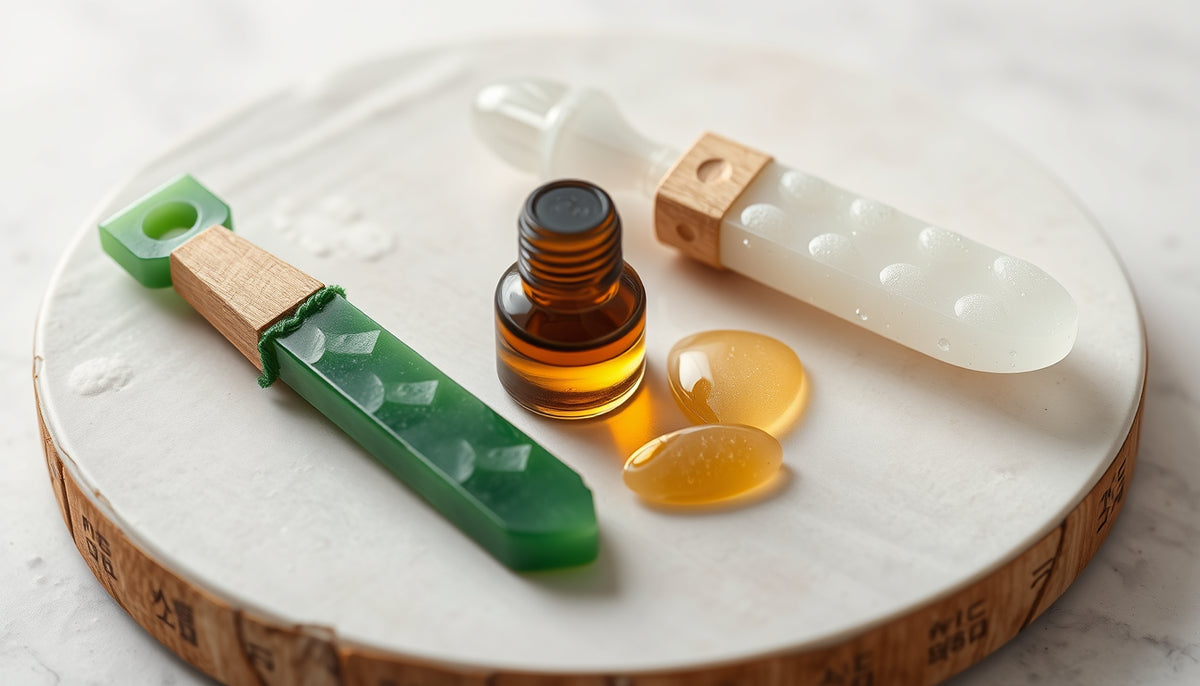
Gua Sha has surged in popularity as a beauty ritual that promises brighter skin, better drainage, and a smoother complexion. If you’re curious whether the practice lives up to the hype, you’re in the right place. This comprehensive side-by-side guide compares jade and quartz tools, explains cadence and technique, and dives into facial lymphatic drainage—so you can decide what best fits your skin and lifestyle.
What is Gua Sha and Why It Works
Gua Sha is a traditional East Asian technique in which a smooth stone tool is drawn across the skin to stimulate microcirculation, reduce inflammation, and encourage lymphatic flow. When paired with a light oil or serum, the tool glides rather than scrapes, helping to release stagnation and bring a healthy glow to the skin. Results vary by person, but many users report less puffiness, improved product absorption, and a more sculpted look with regular practice.
Jade vs Quartz: Tools, Feel, and Benefits
Both jade and quartz are favored for facial gua sha, yet they offer distinct textures, temperatures, and maintenance needs. Here’s a practical comparison to help you choose.
- Jade: Typically cool to the touch, dense, and traditional. Jade is often valued for a soothing, grounding ritual and is sometimes preferred for sensitive or reactive skin. Best for: gentle circulatory support and a comforting sensory experience.
- Quartz: Clear or milky, sometimes smoother depending on finish. Quartz is usually lighter and easier to clean, with a crisp glide that’s great for faster routines. Best for: daily use, brisk strokes, and precise contouring.

Materials in Practice: Maintenance, Hygiene, and Longevity
Regardless of material, keep tools clean and well cared for to prevent skin irritation and bacterial buildup. Wash with mild soap and warm water after each use, dry thoroughly, and store in a clean, dry place. If a tool develops cracks or a rough edge, discontinue use and replace it to avoid skin injury.
Cadence and Technique: How to Use Gua Sha Safely
Think of gua sha as a micro-mculpting routine. The goal is to stimulate lymphatic drainage and improve circulation without irritating the skin. Use light to moderate pressure and maintain a steady, gliding motion.
- Prep your skin with a facial oil or serum to reduce friction and protect the surface.
- Hold the tool at a shallow angle (about 15–45 degrees) to the skin for smooth contact.
- Work from the center of the face outward and upward, taking care around the eyes and neck.
- Use long, sweeping strokes on the cheeks and jawline; shorter, precise motions along the brows and forehead.
- Pressure should let the tool glide; if you feel scraping, lighten your touch.
- After each pass, wipe the tool if it’s sweaty or oily, then continue with clean strokes.
- Finish with a gentle pat or press to help with product absorption.

Facial Lymphatic Drainage: The Science Behind the Glow
Lymphatic drainage is the gentle movement of interstitial fluid toward lymph nodes to reduce facial puffiness and support detoxification processes. Gua sha can complement lymphatic drainage when performed with light pressure and clean tools. Consistent practice, sufficient hydration, and a balanced skincare routine all contribute to the long-term appearance of the skin.
Side-by-Side: Jade vs Quartz for Radiant Skin
Choosing between jade and quartz often comes down to budget, skin type, and personal preference. Here are practical takeaways to guide your decision.
- Jade: Ideal for sensitive or reactive skin, a slow, soothing ritual, and a sense of tradition. Great for weekly sessions that emphasize calm and lymphatic support.
- Quartz: Great for a crisp glide, daily routines, and easy cleaning. Suitable for faster sessions and for those who prefer a cooler touch with a brighter, quicker glow.
Choosing Cadence: How Often Should You Gua Sha?
Most people find 3–5 sessions per week provides a noticeable lift without overdoing it. Beginners may start with 2–3 sessions per week and assess skin response. Always pair gua sha with a suitable facial oil or serum to reduce friction and support glide.

What to Expect: Immediate Results vs Long-Term Changes
Many users notice an immediate brightening and reduced puffiness after a session. Over weeks and months, you may observe smoother texture, improved makeup wear, and more defined contours. The key is consistency, sun protection, and pairing gua sha with a targeted skincare routine that supports collagen and hydration.
Common Mistakes and How to Fix Them
- Using too much pressure: Leads to redness or micro-tears. Fix: lighten your touch and glide smoothly.
- Skimping on prep: Dry skin increases friction. Fix: apply a serum or oil generously.
- Avoiding problem areas: Tension often sits in the jaw and brow. Fix: include these zones with gentle, controlled strokes.
Safety, Skin Health, and Contraindications
Gua sha is generally safe for healthy skin, but some people should avoid or adjust technique: active acne breakouts, eczema flare-ups, rosacea, recent facial procedures, or open wounds. If in doubt, consult a dermatologist before starting a gua sha routine.
Myths vs Facts: Debunking Common Guasha Beliefs
- Myth: Gua sha is a miracle cure. Fact: It’s a supportive ritual that can enhance circulation and lymphatic drainage but won’t fix underlying concerns on its own.
- Myth: More pressure equals better results. Fact: Gentle pressure and proper technique yield safer, more reliable outcomes.
- Myth: Only expensive tools work. Fact: Technique matters more than price; quality materials help but aren’t a substitute for proper form.
Images and diagrams can help you visualize strokes, angles, and lymphatic pathways. The following visuals demonstrate recommended directions and anatomy for safer, more effective gua sha practice.


If you’re building a routine from scratch, try this four-week plan to ease into gua sha and see how your skin responds.
- Week 1: 2 sessions, gentle pressure, jade or quartz tool of your choice.
- Week 2: 3 sessions, introduce a light oil or serum you enjoy.
- Week 3: 4 sessions, refine angles on cheeks and jawline; add forehead strokes.
- Week 4: 5 sessions or maintain 3–4 depending on lifestyle and response.
- Q: Can gua sha replace other anti-aging steps? A: It complements a skincare routine but does not replace essential steps like sunscreen and retinoids where appropriate.
- Q: How long before I see results? A: Some notice immediate brightness; more substantial changes typically require several weeks of consistent use.
- Q: Should I wash my tools after each use? A: Yes—clean tools prevent irritation and infections.
Note: This article includes sponsored links as part of collaboration with Lova Body to showcase high-quality gua sha tools and related products. We recommend exploring reputable tools and choosing what fits your skin and budget.
Shop the Lova Body Collection (Sponsored)
If you’re drawn to a curated set of gua sha tools, consider the Lova Body line. High-quality jade and quartz tools, paired with educational guidance, can support a thoughtful routine. Explore the options below:
Ready to elevate your skincare routine? Shop the Lova Body collection today to add these tools to your regimen.
Final Thoughts: Making Guasha Work for You
Gua sha is a flexible addition to many skincare regimens. With mindful technique, suitable tools, and a supportive routine, you can enhance circulation, promote drainage, and reveal a more radiant complexion over time. Remember to tailor frequency, pressure, and products to your skin’s unique needs, and consult a professional if you have concerns.

Yorum yazın
Bu site hCaptcha ile korunuyor. Ayrıca bu site için hCaptcha Gizlilik Politikası ve Hizmet Şartları geçerlidir.