
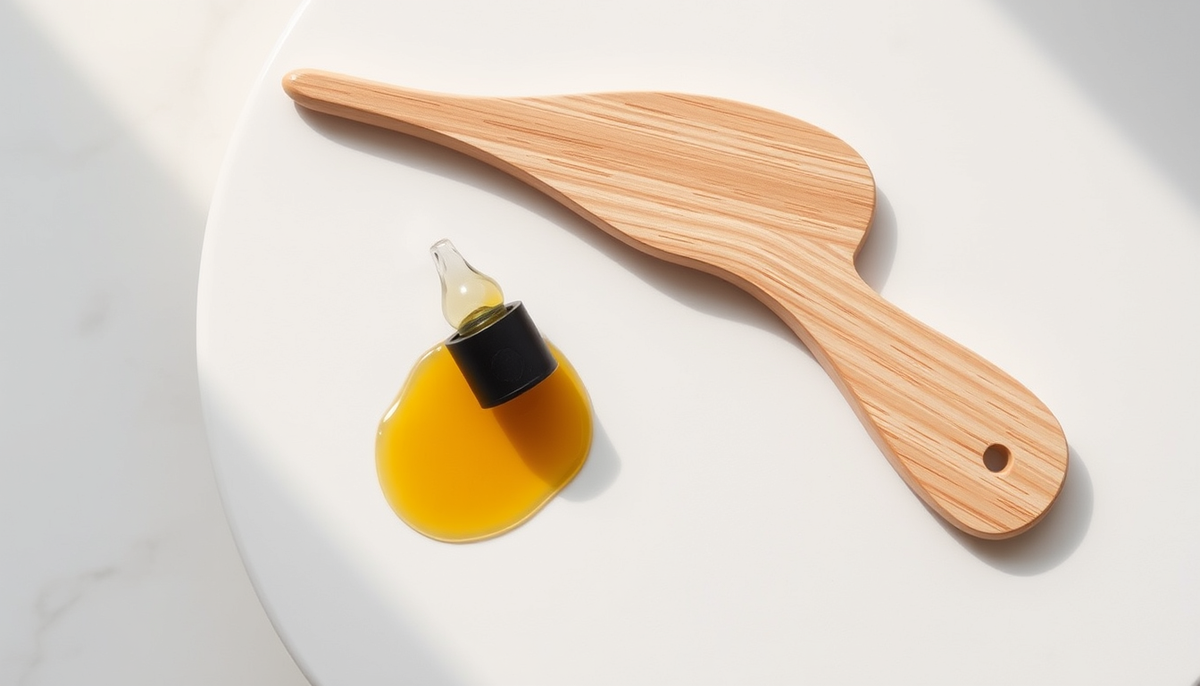
Gua sha at home can be a simple, ritualized practice that supports a more awake and radiant complexion when done with care. This evidence-based guide dives into tool geometry, cadence, and lymphatic drainage, translating traditional technique into modern, safe practice. You’ll find practical, step-by-step instructions, considerations for different skin types, and clear safety guidelines. Remember that results vary and this is not medical advice, but with consistency and proper technique you may notice a healthier glow and reduced puffiness over time.

What the Evidence Says About Gua Sha and Facial Radiance
The scientific literature on gua sha for facial use is growing but not yet definitive. Existing studies and practitioner reports suggest improvements in microcirculation, transient increases in skin elasticity, and a perceived glow after sessions. The effects are often most noticeable when gua sha is integrated into a consistent skincare routine, paired with proper hydration and sun protection. Realistic expectations are important: at best, gua sha can enhance puffiness reduction, facial contour, and texture temporarily, with longer-term gains tied to overall skin health and lifestyle factors. Patch-test new tools and discontinue use if irritation occurs.

Tool Geometry: Why Edge Shape and Surface Finish Matter
The shape and finish of your gua sha tool influence how it interacts with the skin, including contact area, pressure distribution, and glide efficiency. Common configurations include the following:
- Rounded edges for broad, gentle contact on larger facial planes such as the forehead and cheeks.
- Curved or concave edges for contouring along cheekbones, jawlines, and around curves where facial anatomy changes direction.
- Pointed edges for targeted pressure along fine lines or acupuncture-like points, used with caution on delicate areas.
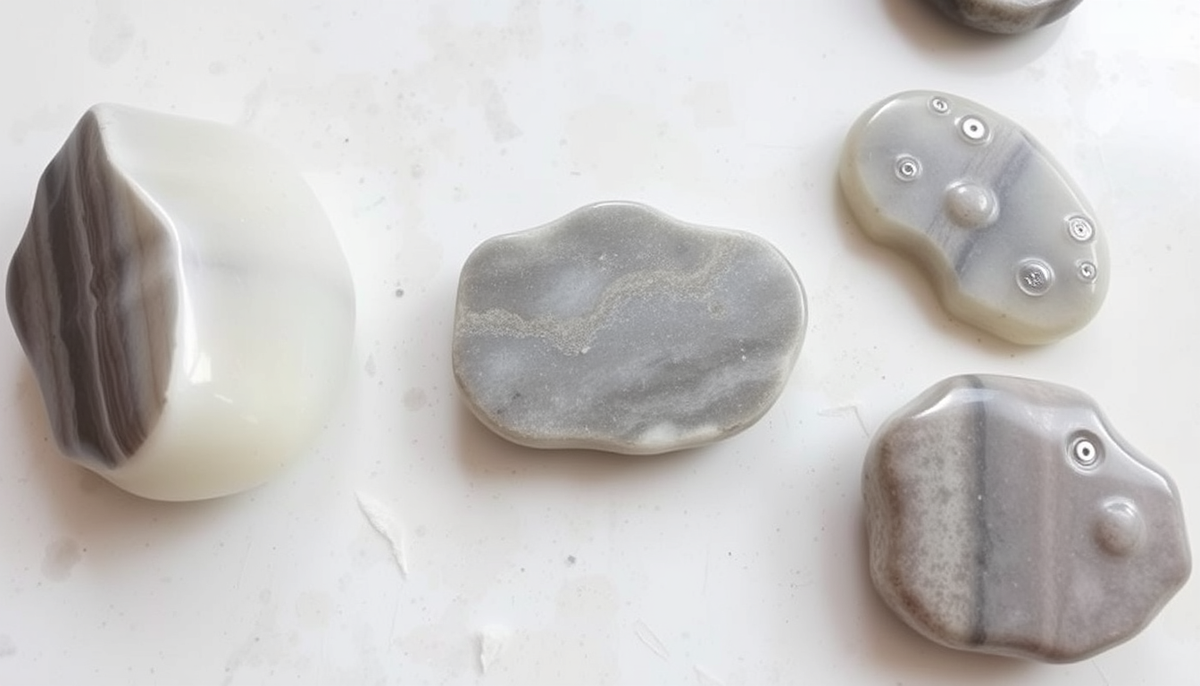
- Materials such as jade or rose quartz are traditional. The key is a smooth, non-porous, well-finished surface rather than the material alone.
- Size and finish affect coverage and precision; larger tools cover more area quickly, while smaller tools offer precision around the eyes and nose. Always ensure a clean, polished surface to minimize skin drag.
Tip: Start with a comfortable tool and gradually try additional shapes as your technique improves.

Cadence and Technique: How to Glide with Confidence
Cadence refers to the rhythm and pace of strokes. The goal is a smooth, efficient glide with light to moderate pressure that respects the skin, not scraping or dragging. A consistent cadence enhances comfort and reproducibility, which matters for ongoing results. Here is a practical approach you can adapt:
- Prep: cleanse skin, apply a light layer of facial oil or serum to reduce friction, and sanitize your tool.
- Forehead and temples: start from the center of the forehead and glide outward toward the temples and hairline in a single, continuous motion.
- Cheeks and midface: move from the center of the face outward toward the ears, then upward toward the temples to encourage lift.
- Jawline and neck: follow the jawline from chin to ear, then sweep down the neck toward the collarbone to support lymphatic drainage.
- Eyes and delicate areas: use the gentlest pressure and shorter strokes; avoid dragging directly on the eyeball or eyelids.
- Finish: wipe and sanitize the tool, apply moisturizer, and refrain from aggressive rubbing after sessions.

Lymphatic Drainage, Safety, and Realistic Expectations
The lymphatic drainage concept behind gua sha involves gentle movement of interstitial fluid toward local lymph nodes. Intention and direction matter: subtle upward and outward strokes help promote drainage toward preauricular and submandibular nodes and along the neck. Important safety notes:
- Avoid broken skin, active infections, rashes, or inflamed lesions on the face.
- Do not apply excessive pressure or perform gua sha over highly irritated or acne-prone areas.
- Limit use if you have a skin condition or are undergoing medical treatment—consult your clinician if unsure.
- Maintain tool hygiene: clean after each use and store in a clean, dry place.
- Be mindful of individual health factors such as vascular conditions or anticoagulant use; seek medical advice if concerned.

At-Home Routine: A Comprehensive 12–15 Minute Daily Practice
Consistency and a well-structured routine often matter more than intensity. This extended routine is designed to fit into most mornings and evenings, with options for busy days and weekends. Adjust pressure to your comfort and gradually increase as your skin adapts.
- Prep: cleanse, apply a light layer of facial oil or serum, and sanitize tools.
- Forehead: center to temple, then outward to hairline (2–3 minutes per side).
- Glabella and brow area: small, upward strokes from the middle of the brow outward to the temples (1–2 minutes).
- Cheeks and midface: center to ears, then outward and upward toward the temples (3–4 minutes).
- Nasolabial folds and smile lines: gentle, sweeping motions from the nose outward along the cheekbone (1–2 minutes).
- Jawline: from chin to ear, using multiple passes to encourage contouring (2–3 minutes).
- Neck and décolletage: upward sweeps from collarbone to jaw, then a final lymphatic sweep toward the submandibular nodes (2–3 minutes).
- Eyes and delicate areas: very gentle pressure with short sweeps (1–2 minutes).
- Finish: cleanse tool, apply moisturizer or sunscreen, and observe how your skin responds tomorrow.

Routine Variations: Morning, Evening, and Travel
Tailoring your routine to your schedule helps maintain consistency. Morning routines can emphasize puffiness reduction and glow, while evening sessions may focus on relaxation and nocturnal skin renewal. For travel, opt for a compact tool and a lightweight oil-free serum to minimize carry-on liquids. In all cases, maintain a steady cadence and gentle pressure to avoid skin irritation.

Special Considerations: Pregnancy, Acne, Rosacea, and Hyperpigmentation
Certain conditions require tailored approaches. Pregnant individuals should consult their clinician; use very gentle pressure and avoid aggressive manipulation near the abdomen or delicate facial structures. For acne-prone or rosacea-prone skin, keep sessions brief, light, and patch-test any new tools. If you have post-inflammatory hyperpigmentation, focus on gentle, non-irritating techniques and pair with appropriate sun protection and barrier-repair products.

Maintenance, Hygiene, and Longevity of Your Tools
Tool maintenance is crucial for consistent results and skin health. Proper storage, cleaning, and inspection prevent micro-scratches and contamination. Cleaning steps include wiping with a clean, alcohol-free disinfectant and air-drying completely before storage. Inspect for chips or rough edges; a damaged tool should be retired to avoid injury. When selecting a tool, look for a smooth, polished surface with minimal porosity, and consider the finish: matte vs polished can influence drag and cleaning ease.

Ethics and Sustainability: Sourcing and Environmental Considerations
With jade and rose quartz products, consider the provenance and ethical sourcing of materials. Some brands prioritize recycled or environmentally responsible packaging. When possible, choose suppliers that publish sourcing standards and transparency about their supply chains. This supports sustainable practices in the growing at-home skincare market.
Choosing Tools and How to Maintain Them
When selecting a gua sha tool, begin with edge shape, size, and material, plus the smoothness of the surface and ease of cleaning. A well-maintained tool provides consistent performance and reduces skin irritation. Store tools in a dry, clean container and sanitize before each use. If you’re new to gua sha, consider starting with a single, mid-sized, rounded-edge tool and gradually expanding your collection as you refine your technique.
Backlinks and product recommendations: for those interested in premium, salon-grade tools, explore Lov a Body products. They offer jade and rose quartz gua sha sets and compatible skincare products designed for at-home use. Integrating a trusted tool with a supportive routine can help you achieve a more radiant complexion.
If you’d like to explore Lov a Body products, you can visit their site here: lova-body.com. This article contains affiliate links; purchases through these links may earn a small commission at no extra cost to you. Thank you for supporting our work.
Advanced Techniques: Layering and Integrating with Other Modalities
As you gain confidence, you may experiment with gentle facial massage techniques that complement gua sha, such as light effleurage in your skincare routine, facial cupping (where appropriate and safe), or mild lymphatic drainage exercises recommended by clinicians. Avoid combining gua sha with aggressive tools or devices that apply intense pressure on the face. Use a compatible serum or oil to reduce drag and protect the skin’s barrier.

FAQ: Expanded Answers to Common Questions
- Does gua sha change the face permanently? Most evidence supports short-term improvements in circulation and texture; lasting structural changes are not established and depend on skin health and lifestyle factors.
- How often can you use gua sha? Frequency depends on skin sensitivity. Start with 2–3 times weekly and adjust based on tolerance and skin response.
- Can gua sha be used with any oil? Use a thin layer of a non-irritating facial oil or serum to reduce drag. Patch-test new products if you have sensitive skin.
- Is gua sha safe during pregnancy? Consult with a clinician; if you proceed, choose very gentle pressure and avoid sensitive facial areas.
- What about tools made from other materials? Other materials exist, but ensure a smooth, non-porous surface and smooth finish to minimize drag and contamination.
Product Recommendations: Lov a Body and Beyond
For readers seeking a curated selection of gua sha tools and compatible skincare products, Lov a Body offers a range of jade and rose quartz sets, as well as serums formulated for use with gua sha. Their tools are designed to pair with the technique described above and aim to support safe, visible radiance when used as part of a consistent routine.
Backlinks and product recommendations: for premium at-home tools, explore options from lova-body.com, including jade and rose quartz gua sha sets and related skincare products designed for at-home use.
If you’d like to explore Lov a Body products, you can visit their site here: lova-body.com. This article contains affiliate links; purchases through these links may earn a small commission at no extra cost to you. Thank you for supporting our work.
Conclusion: Your At-Home Gua Sha Practice, Reimagined
Gua sha at home offers a thoughtful, evidence-informed approach to facial massage that emphasizes tool geometry, cadence, and lymphatic drainage. By selecting the right tool, adopting a measured rhythm, and respecting your skin’s boundaries, you can pursue a placeholder for radiance that supports your skincare goals. Combine science-informed practice with mindful skincare habits like hydration, sleep, sun protection, and a gentle barrier-repair routine for best results. The journey toward safe, visible radiance is incremental and personal—start with one well-chosen tool, a clear technique, and a plan you can sustain.
Ready to elevate your at-home gua sha routine? Visit lova-body.com to explore carefully crafted tools and skincare products designed for safe, visible radiance.

Yorum yazın
Bu site hCaptcha ile korunuyor. Ayrıca bu site için hCaptcha Gizlilik Politikası ve Hizmet Şartları geçerlidir.