
Gua sha has surged in popularity as a non-invasive approach to facial wellness and complexion enhancement. This comprehensive, evidence-informed guide compares three core pillars—edge profiles, cadence, and facial lymphatic drainage—to help you achieve a radiant, healthier-looking skin surface while minimizing risk. The goal is clarity: understanding how tool shape, technique rhythm, and gentle drainage work together to support luminous skin without resorting to guesswork.

Edge Profiles: How Tool Shape Guides Skin Response
Edge geometry plays a pivotal role in what your gua sha session can and cannot do. Different edges contact the skin in varying ways, altering pressure distribution, glide, and precision. Consider these common shapes and their ideal applications:
- Rounded edge: soft contact, ideal for delicate areas such as under the eyes, eyelids, and across fine cheek tissue where sensitivity is higher
- Flat/straight edge: broad contact for larger planes like the cheeks, forehead, and jawline; supports smoother, longer strokes
- Spoon/concave edge: concentrates pressure to accentuate contours along the jawline, cheek hollows, and around the sinuses
- Size matters: smaller heads for around the eyes; larger heads for the mid-face and neck to maximize efficiency

Cadence and Pressure: The Rhythm of Effective Gua Sha
Sequence, pressure, and timing are the heartbeat of a safe, effective session. The aim is a gentle, facial flush rather than bruising. Apply these guidelines, and adjust to your comfort, skin type, and sensitivity:
- Pressure: light to moderate; let the tool glide with a silky feel, not a dragging pull
- Tempo: maintain a smooth rhythm of about 2-3 strokes per second for consistency
- Area duration: 5-10 sweeps per zone before moving to the next
- Frequency: 3-5 sessions per week for maintenance; scale back if skin shows irritation or redness that lasts beyond a few minutes

Facial Lymphatic Drainage: Why It Supports a Radiant Complexion
Facial lymphatic drainage concerns fluid balance and puffiness. When paired with gua sha, it can help promote a more sculpted yet soft appearance by encouraging gentle, directional lymph movement. Follow this sequence to align with natural facial anatomy:
- Neck and collarbone: gentle strokes from the base of the neck toward the clavicle to assist cervical lymph nodes
- Jawline to cheeks: sweep along the mandible toward the ear to promote drainage from the lower face
- Cheeks and mid-face: outward motions toward the temple and hairline to encourage lateral drainage
- Under-eye area: very light pressure from inner corner to outer corner to minimize stress on fragile skin
- Forehead: broad sweeps from the brow to the hairline to reduce brow ridge puffiness
- Final pass: light effleurage over the entire face to settle any remaining fluid and improve glide

Evidence in Brief: What the Research Suggests
High-quality randomized trials focused specifically on gua sha for facial aesthetics are limited. The best available evidence supports the safety of gentle manual lymphatic techniques for reducing facial edema and improving skin appearance when performed with proper technique and lubrication. The primary takeaway is caution and technique over force: use a clean tool, apply oil or serum to reduce friction, and never drag or tug skin. While many users report temporary improvements in texture and glow, lasting changes require ongoing, well-supported skincare habits alongside photoprotection.
Tools and Hygiene: Jade, Rose Quartz, and Material Considerations
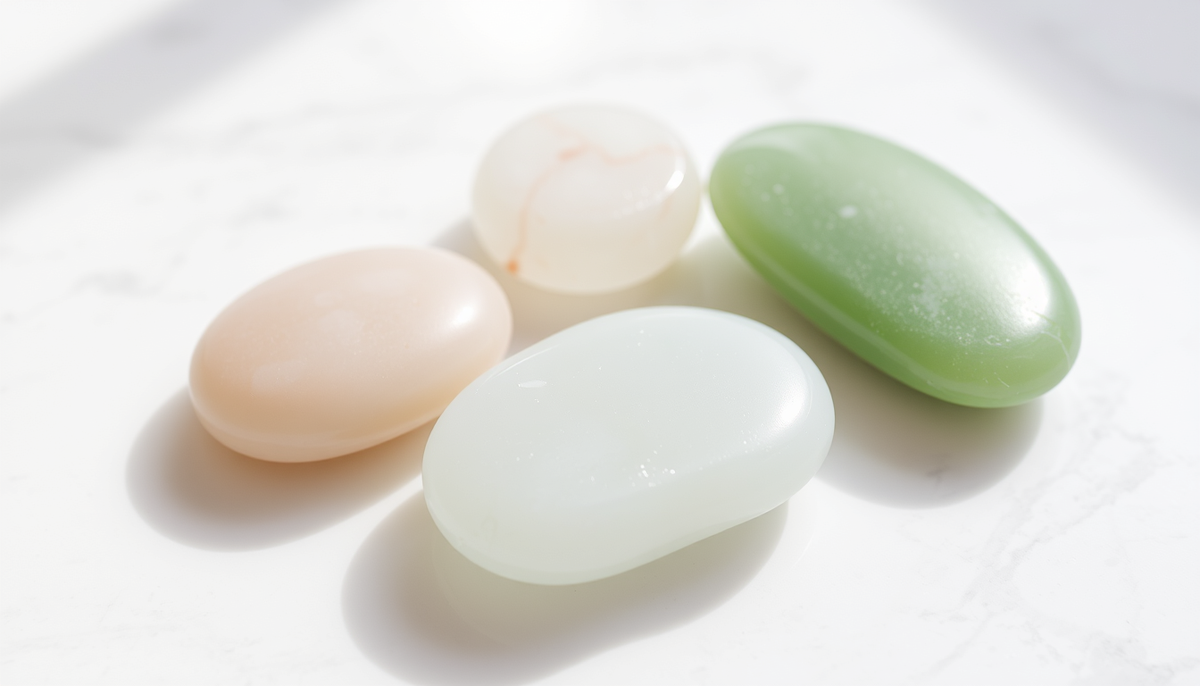
- Material choice: Jade and rose quartz are traditional, with smooth, polished stone surfaces. Non-porous edges reduce harboring bacteria when properly cleaned
- Hygiene: clean the tool before and after each use with mild soap and warm water; dry thoroughly to prevent mineral buildup
- Size and shape: a set that covers major zones and includes an eye tool will typically deliver best results; rotate shapes to suit each facial region

Step-by-Step Routine: A Simple, Effective Practice
Use this practical workflow to structure a routine that respects anatomy while building skill over time. Always start with clean hands, applied skin lubrication, and a calm environment.
- Prep: cleanse skin and apply a facial oil or serum to ensure a smooth glide
- Starting points: begin with neck drainage (collarbone to neck), then progress to the jawline and lower cheeks
- Technique: glide in upward and outward directions; avoid dragging; use light-to-moderate pressure
- Zones sequence: neck, jawline, cheeks, under-eye, forehead, and temples in logical progression
- Post-care: rinse the tool, pat dry, and seal with moisturizer or sunscreen

Does Gua Sha Work? What to Expect
Many users notice a subtle glow, improved texture, and a smoother appearance after several sessions. Individual results depend on skin type, technique, hydration, and sun protection. For meaningful, lasting benefits, integrate gua sha with a robust skincare routine and mindful sun safety.
Common Questions Answered
- Is gua sha safe for all skin types?
- When performed gently with proper lubrication and clean tools, it is generally safe for most skin types. Avoid irritated, broken, or inflamed skin and proceed with caution on sensitive areas.
- How long before you see results?
- Some people notice a subtle glow after a few sessions; more noticeable, longer-term changes come with consistent practice over weeks to months.
- Can I use gua sha while wearing makeup?
- It’s best to apply gua sha on clean skin or with a light layer of serum; if using makeup, ensure it’s workplace-safe and won’t clog the tool or skin.
Myth-Busting and Reality Check
- Myth: Gua sha pulls or stretches the skin aggressively. Reality: Proper technique uses light-to-moderate pressure, not forceful dragging.
- Myth: More pressure means better results. Reality: Excessive pressure can irritate skin and cause redness or microtrauma.
- Myth: It replaces skincare. Reality: It complements a routine that includes cleansing, hydration, sun protection, and targeted treatments.
Practical Tips for Every Skin Type
- Start with a clean, dry-tool-friendly surface (oil or serum helps glide but should not be excess)
- Keep sessions short initially (5-10 minutes) and gradually increase as you become proficient
- Focus on comfort: if anything hurts or skin turns red beyond a few minutes, pause and reassess pressure or technique
- Avoid active breakouts, sunburn, or skin conditions that require medical guidance
Evidence-Informed Tips for Longevity of Your Tools
Storing tools in a clean, dry place and regularly inspecting edges for nicks helps prevent micro-abrasions. If you notice rough edges, have the tool professionally refinished or replace it. Porous or damaged tools can harbor bacteria and compromise skin health.
Integrating with a Skincare Routine: Serums, Oils, and Makeup
Choose lightweight, fast-absorbing serums or oils that provide slip without leaving a heavy film. Layering skincare products correctly optimizes absorption after gua sha:
- Cleanser → Toner (optional) → Serum/Oil → Gua Sha → Moisturizer → Sunscreen (daytime)
- For makeup days, perform gua sha earlier in your routine or on a clean slate to reduce makeup interference with glide
Frequency and Progression: A 3-Week to 8-Week Plan
Consistency matters. Here’s a progressive plan you can adapt:
- Week 1-2: 3 sessions, 5-7 minutes each; focus on technique and comfort
- Week 3-4: 4 sessions, introduce light lymphatic strokes in the neck and jawline
- Week 5-6: 5 sessions, longer duration per zone and refined edge usage
- Week 7-8: 5-6 sessions, include full-face routine with cadence refinements and shield from sun after session
Case Examples and Anecdotes (General Observations)
Personal experiences vary, but several practitioners report improvements in skin texture, reduced morning puffiness, and a more lifted appearance when gua sha is used with patience, consistent lubrication, and mindful technique. These accounts are illustrative and should not replace personalized skincare guidance.
Visual Guide and Additional Illustrations


Conclusion: A Practical, Evidence-Informed Path to Radiant Skin
Understanding edge profiles, cadence, and facial lymphatic drainage helps you tailor a gua sha practice to your unique facial structure and skin sensitivity. The most reliable results come from a patient routine that respects anatomy, uses well-made tools, and blends with a solid skincare regimen and sun protection.
Upgrade Your Routine with Lov a Body
This article may include sponsored links to lova-body.com. To explore Lov a Body’s jade gua sha tools, edge-profile sets, and related accessories, visit lova-body.com. Look for keywords such as "jade gua sha tool", "gua sha tool for face", and "edge-profile gua sha tool" to find options tailored to your routine. For a curated starter kit, consider Lov a Body and elevate your skincare with a trusted brand.
Shop Lov a Body today to experience the confidence that comes from using purpose-built tools designed to support proper edge profiling, cadence, and facial lymphatic drainage in everyday skincare.

Yorum yazın
Bu site hCaptcha ile korunuyor. Ayrıca bu site için hCaptcha Gizlilik Politikası ve Hizmet Şartları geçerlidir.