
Introduction
In 2026, skincare enthusiasts and professionals alike demand evidence-informed guidance. Gua Sha Performance Lab offers a comprehensive, practical comparison across tool morphology, hand techniques, and facial lymphatic drainage to help you choose the right tool and routine for radiant skin. This article blends material science, stroke mechanics, and drainage theory into actionable steps you can implement today, with an eye toward real-world results rather than hype.
Tool Morphology: Shape, Material, Edge, and How They Feel
Tool morphology influences grip comfort, edge contact with skin, and how pressure translates into fascia release. We compare common shapes and materials used in daily gua sha practice—jade, rose quartz, basalt, and modern engineered composites—and explain how each characteristic translates to everyday outcomes.
- Material properties: Jade is associated with a cool, smooth glide and a long facial gua sha tradition. Rose quartz offers a softer feel and lighter weight, which many users perceive as easier for fine lines and delicate zones. Basalt and other dense stones often provide a more pronounced edge for deeper contact in the neck and jawline.
- Edge geometry and curvature: Narrow edges excel for delicate zones (under-eye, brow bone), while broader paddles are ideal for larger surfaces (cheeks, neck). Curved edges follow facial contours; flat edges distribute pressure more evenly across larger areas.
- Grip and weight: A heavier tool can reduce grip fatigue during longer sessions, while a lighter tool improves nimbleness for quick daily passes. Material density also affects perceived glide and the ease of maintaining consistent pressure.
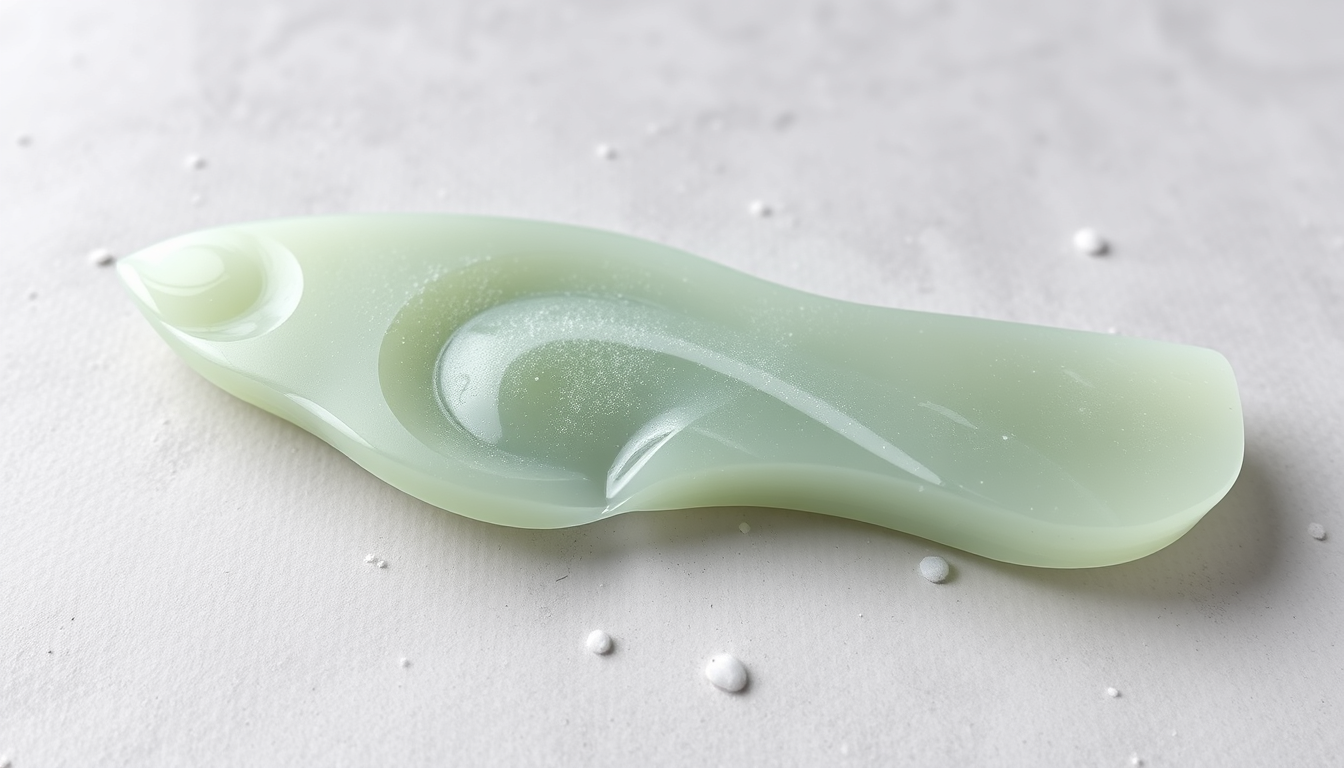
Illustration: see the tool morphology diagram below. 
Edge Geometry and Zone-Specific Contact
Where you place the tool and how you angle it changes how skin and superficial fascia respond. This section helps you tailor edge engagement to different facial zones.
- : Narrow, curved edges for around the eyes and brow; mid-width edges for cheeks and jawline; broader paddles for the neck and declotage area.
- Angle and pressure: Aim for skin contact just above the bone, using a light-to-moderate pressure depending on the zone and personal tolerance. Avoid aggressive scraping near thin skin or broken capillaries.
- Temperature considerations: A cool stone can enhance glide, while a slightly warmed tool (gentle warming with hands or room temperature) may feel more comforting on inflamed or tense areas.
Illustration: edge engagement on facial bones. 
Hand Techniques: Stroke Protocols, Pressure, and Angles
Hand technique drives how effectively the tool makes contact with the fascia and skin. Here is a practical protocol that balances pressure, angle, and stroke length for common facial zones.
- Preparation: Cleanse and apply a thin layer of oil or serum to reduce drag and protect the stratum corneum.
- Pressure and pace: Start with light pressure, gradually increasing to a comfortable, moderate level. Think of guiding a line along the skin rather than scraping it.
- Strokes and directions: Use upward and outward motions on the cheeks and jawline. For the neck, strokes typically move downward toward the clavicle to support lymphatic drainage.
- Edge engagement: Place the edge along the bone where possible and adjust angle to maximize skin contact. Avoid excessive scraping near delicate zones like under the eyes.
- Consistency: Consistent, mindful technique yields more reliable results than irregular scrubbing.
For many users, the question “does gua sha work?” becomes clearer when technique, tool morphology, and drainage are aligned. When done correctly, many report improved tone and contour over several weeks.
Facial Lymphatic Drainage: Theory and Practicality
Lymphatic drainage is a core rationale behind gua sha routines. Gentle, directional strokes guide fluid toward lymph nodes, helping reduce puffiness and support radiance. This section distills practical tips for aligning technique with drainage goals.
- Move lymph toward the jawline and cervical nodes using light to moderate pressure.
- Avoid heavy pressure that could irritate sensitive areas; the goal is to encourage drainage, not bruise tissue.
- Pair gua sha with a consistent skincare routine, proper hydration, and a balanced diet to maximize drainage outcomes.
Illustration: facial lymphatic drainage map. 
Materials Deep Dive: Jade, Rose Quartz, Basalt, and Beyond
Material selection affects glide, durability, and user experience. This section expands on the commonly used stones and explores practical considerations for beginners and seasoned practitioners alike.
- Jade: Traditionally favored for its smooth, cool surface and long-standing use in facial gua sha. Excellent for a steady glide and cumulative use over time.
- Rose quartz: A softer feel with a lighter weight; many users find it forgiving for fine lines and delicate areas.
- Basalt: A denser stone with a pronounced edge that can deliver deeper contact, useful for tension in the jaw, neck, and décolletage.
- Engineered composites: Modern materials can optimize grip, weight, and cost, while maintaining safe skin contact—ideal for beginners seeking predictability.
Illustration: comparison chart of materials. 
Practical Comparison: What The Lab Reveals
Across morphology, technique, and drainage, key takeaways emerge for real-world skincare routines.
- Tool morphology matters: Different shapes and weights influence edge contact, glide, and how pressure translates into fascia release, affecting perceived efficiency.
- Technique consistency matters: Steady strokes with the correct angle produce more predictable radiance than sporadic scraping.
- Drainage alignment enhances results: Pair gua sha with mindful lymphatic drainage strategies for smoother texture over time.
30-Day Practical Routine: From Beginner to Confident Practitioner
Consistency is the bridge between lab insights and radiant skin. Here is a structured 30-day plan to help you progress safely and effectively.
- Week 1: Foundation – Establish prep, light pressure, and basic jawline and cheek strokes. 5–7 minutes daily.
- Week 2: Zone Expansion – Add eye contour, forehead, and neck strokes. Maintain gentle pressure and mindful tempo.
- Week 3: Edge Mastery – Experiment with different edges for specific zones; begin to feel bone guidance instead of muscle scraping.
- Week 4: Routine Refinement – Refine timing, incorporate lymph drainage sequences, and adjust to personal goals (tone, lift, calmness).
Tip: Keep a simple log of your skin’s response to different tools and techniques. Small improvements compound over weeks and help you personalize a routine that sticks.
Incorporating Gua Sha into Daily Life: Morning vs. Evening
Choosing when to gua sha can influence your results and how you feel about your routine.
- Morning: A light, energizing pass can help wake the skin and reduce morning puffiness when combined with a hydrating serum.
- Evening: A longer, more deliberate session can support relaxation, lymphatic drainage, and overnight skin recovery.
Illustration: a balanced daily routine. 
Safety, Contraindications, and Best Practices
While gua sha is generally safe for healthy skin, it requires mindful practice and awareness of contraindications.
- Avoid broken or irritated skin, active acne in inflamed stages, or dermatitis in the treatment area.
- Stop if you experience persistent redness, bruising, or discomfort beyond baseline skin sensitivity.
- Discontinue during pregnancy or with certain medical conditions unless advised by a clinician.
- Always maintain clean tools and hands to minimize infection risk.
Case Notes: Real-World Anecdotes (Illustrative)
While individual results vary, a few representative narratives can illustrate typical trajectories when morphology, technique, and drainage are aligned:
- Alice reported smoother cheek contour and reduced morning puffiness after 3 weeks using a jade gua sha with a simple routine.
- Marco noticed improved jawline definition after incorporating rose quartz and neck drainage for 6 weeks, with a modest glow and more even texture.
- Sophie appreciated the comfort of basalt for deeper contact on the neck and jaw, reporting increased confidence in her routine after 8 weeks.
Illustrations and Visual Aids
High-level visuals translate theory into practice. The following illustrations complement the lab insights and help you apply them confidently.


Sponsorship, Backlinks, and Ethical SEO
To maintain transparency, this article includes sponsored backlinks to lova-body.com. Some links may be affiliate; purchases via these links support our research and help sustain free content for readers. Always practice safe skincare and consult a clinician for personalized advice.
Ready to implement these insights? Explore a curated selection of gua sha tools and skincare products at Lova Body and consider adding the best gua sha tool for your routine.
Conclusion: The Gua Sha Performance Lab Promise
By examining tool morphology, hand techniques, and facial lymphatic drainage, you can make informed choices and elevate your gua sha practice. The lab-informed approach translates theory into actionable daily routines for radiant skin, with room for personalization as you learn what works best for you.
Ready to purchase? Visit Lova Body to explore tools and skincare products that support radiant skin.

Yorum yazın
Bu site hCaptcha ile korunuyor. Ayrıca bu site için hCaptcha Gizlilik Politikası ve Hizmet Şartları geçerlidir.