
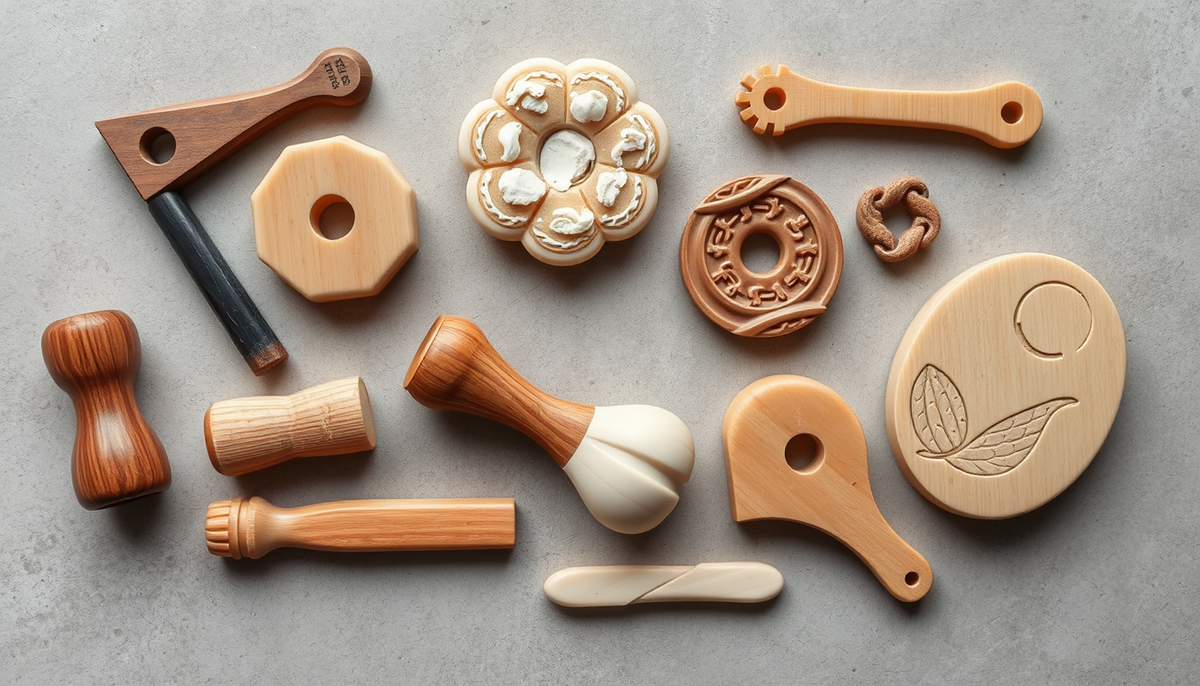
Gua sha is no longer a one-tool, one-technique practice. Across clinics, studios, and at-home routines, practitioners are embracing diversity: a spectrum of materials, shapes, stroke rhythms, and lymphatic strategies that together yield a visible glow. This comprehensive guide leans into multimaterial options, translates shape design into practical access, and uncovers how stroke rhythm and facial lymphatic drainage come together to support healthier, brighter skin. Whether you’re a skincare minimalist or a tool enthusiast, you’ll find actionable insights to tailor a routine that suits your skin type, climate, and lifestyle.
The Multimaterial Advantage: Why Material Choice Matters
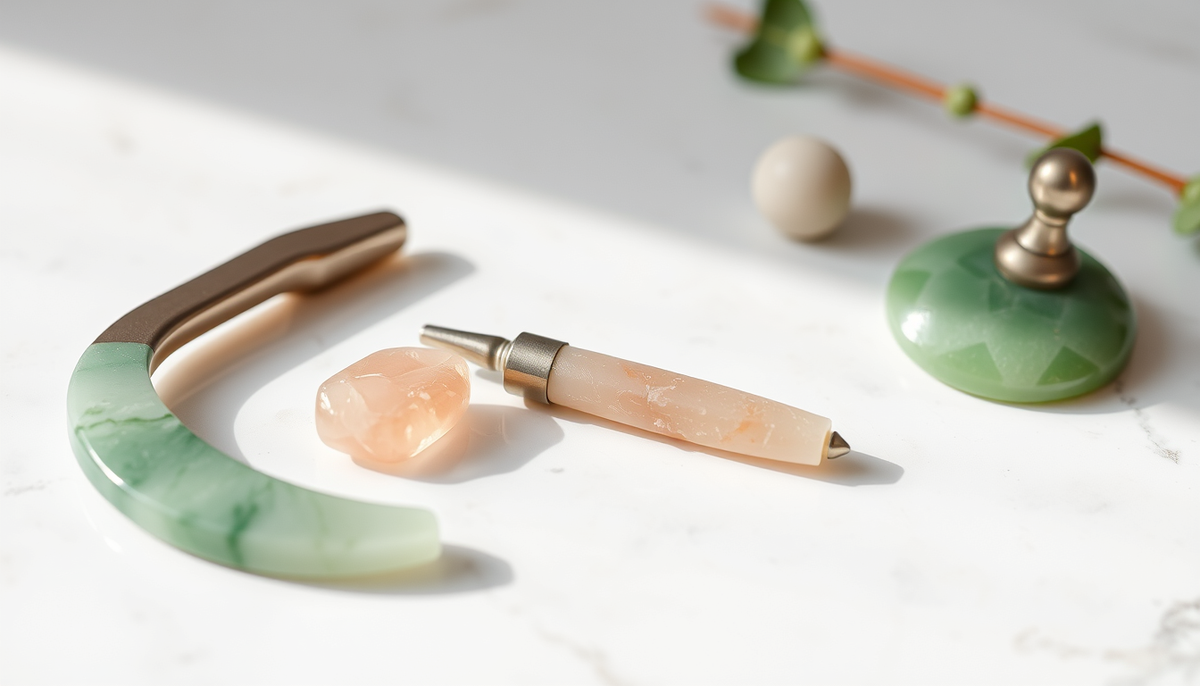
Material choice affects glide, temperature transfer, friction, and even how products interact with your skin. Each material offers a distinct sensory experience and can influence your results when combined with the right routine. Below are the core materials you’re likely to encounter, along with practical pros and considerations.
Jade
Jade is the classic, often cooling choice with a smooth, forgiving surface. It tends to be gentle on sensitive or reactive skin and pairs well with hydrating serums. Jade remains durable when maintained with proper cleaning and storage. Explore jade gua sha tools at Lova Body for curated jade selections that emphasize cooling, low-friction glides.

Rose Quartz
Rose quartz adds a warm, comforting contact that can help the skin absorb serums more readily. Its slight warmth during use can feel soothing, and it often shows a gentle lift effect with consistent routines. Note that rose quartz may show minor wear with heavy use, so regular cleaning and occasional resurfacing are wise choices. For a luxurious rose quartz option, browse the selection at Lova Body.

Stainless Steel and Other Metals
Metal tools provide a different glide and can be sanitized thoroughly, making them popular in professional settings. They’re effective for deeper pressure and faster sessions, but can be less forgiving on delicate skin; use a lighter touch and shorter sessions if your skin is sensitive. If you prefer metals with a cool-to-warm transition, look for polished finishes that minimize drag. A metal option is often paired with a precise edge for targeted zones.

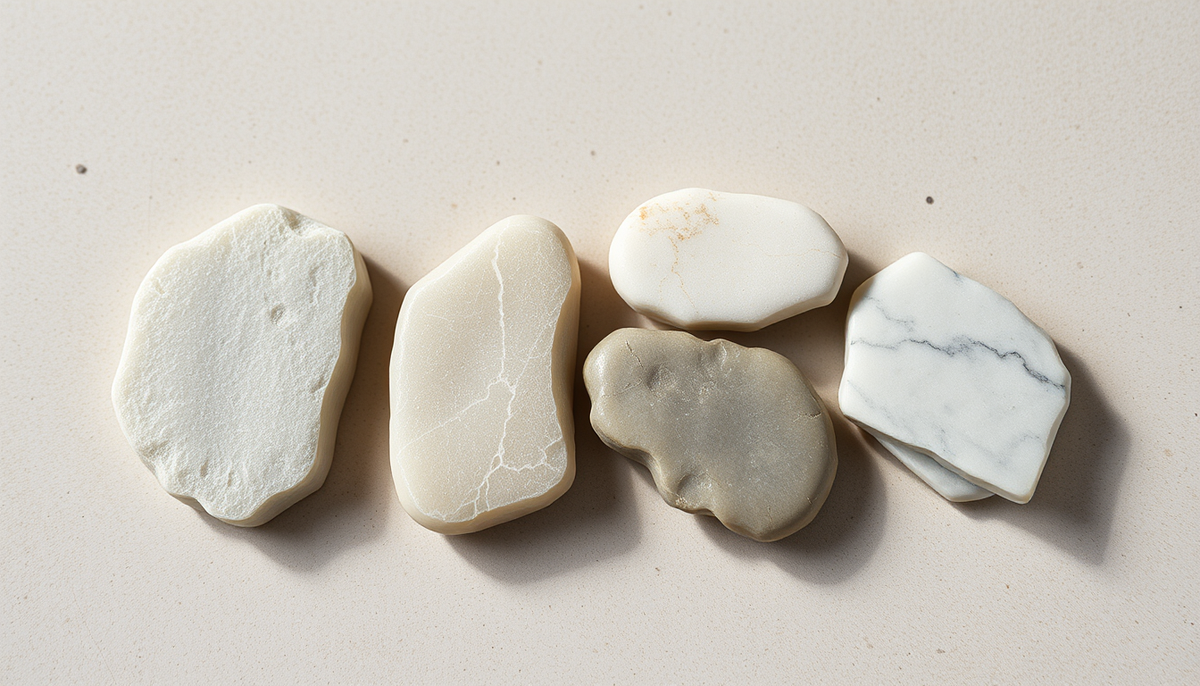
Basalt Stone and Other Natural Materials
Basalt and other natural stones offer unique textures and cooling/ warming properties, which can influence how quickly your serums or oils are absorbed. These stones can bring a distinct tactile feel to morning routines, often delivering a slightly more tactile massage compared with jade or quartz. Try basalt for a refreshing morning ritual.

Wood, Horn, and Alternative Natural Materials
Wood or horn tools provide a warmer touch and often a more mindful glide. They can be lighter and more affordable, but require careful maintenance to preserve integrity and avoid cracking. When selecting wooden or horn tools, prioritize properly finished surfaces and clean storage to prevent chipping or moisture-related damage.

Shapes and Design: How Form Affects Access, Safety, and Results
Shape is more than aesthetics; it directly influences how you access features, how much drag you experience, and how effectively you target lymphatic drainage. Here are common shapes and their best-use scenarios:
- Flat, wide blades — ideal for broad zones like the forehead, cheeks, and neck; promote smooth, even strokes with minimal drag.
- Curved edges — follow natural bone contours (cheekbones, jawline, orbital areas) for gentle lifts and contouring without overstretching the skin.
- Pointed tips — best for precision along the jawline, chin, and around the nose; exercise caution near the eye area and avoid direct contact with delicate tissues.
- Short spoon ends — balance coverage and precision; useful for smaller zones and neck lines where control matters.
Illustration of shapes for quick reference:

Stroke Rhythm and Technique: A Practical, Repeatable Protocol
Consistency, a light touch, and rhythm are your allies. A well-structured routine reduces drag, supports lymph movement, and minimizes irritation. Use a light-to-moderate pressure and a controlled tempo. Here’s a practical framework you can adapt:
- Prep: cleanse and dry the skin, then apply a hydrating serum or facial oil to reduce drag and improve glide.
- Forehead: start at the center and glide outward toward the temples, using 4–6 strokes per zone with an upward motion.
- Cheeks: sweep from the nose and center cheeks outward to the temples, repeating 4–6 times per area to encourage lifting and toning feedback.
- Jawline and neck: use a gentle downward path toward the décolletage, maintaining a downward flow that supports drainage.
- Eyes and delicate zones: avoid direct contact with the eye area; use lighter pressure, shorter strokes, and stay clear of the lash line to prevent irritation.
- Finishing strokes: cap the routine with a light, upward pat to help serum absorption and set the flush without overworking the skin.
For visual guidance, consult this stroke rhythm diagram:

Facial Lymphatic Drainage: Principles, Safety, and Comfort
Gua sha can aid facial lymphatic drainage by guiding interstitial fluids toward regional lymph nodes (preauricular, submandibular, and along the neck). Implement these safety principles to maximize comfort and minimize risk:
- Sanitize tools before and after use; avoid broken or irritated skin.
- Limit sessions to 5–15 minutes to prevent overstimulation or irritation.
- Use light-to-moderate pressure with purposeful downward movements toward lymph nodes.
- Hydrate skin with serums or oils to improve glide and reduce drag on delicate areas.
- Follow with a gentle moisturizer and sunscreen in the daytime to lock in hydration and protection.

Seasonal and Skin-Type Customization: Building a Routine That Fits Your Climate
Season, humidity, and skin type dictate how you approach gua sha. Use these tailored guidelines to optimize results year-round:
: prefer richer oils or serums to preserve glide and prevent drag as the skin can feel tighter. Jade or rose quartz tools tend to stay comfortable in cooler environments. : lighter serums or gels work well; basalt or metal tools can feel refreshing and help manage surface warmth. : opt for softer edges, gentler strokes, and shorter sessions; stick to jade or rose quartz and avoid excessive pressure near the eyes. : switch up materials between sessions to test tolerance and explore different glides and product interactions.
Maintenance, Hygiene, and Longevity: Caring for Your Tools
Proper care sustains performance and hygiene. Implement these routines to extend tool life and maintain safety:
- Clean tools with mild soap and water after each use; dry thoroughly to prevent moisture retention.
- Avoid high-heat exposures or ultrasonic cleaners that could compromise finishes.
- Inspect edges for burrs or cracks; replace tools with visible damage or after prolonged heavy use.
- Store tools in a dry, protected case away from direct sunlight to preserve color and material integrity.
Putting It All Together: A Practical Full-Face Routine Template
Here is a sample, repeatable routine you can adapt. The sequence starts with broad strokes and moves to targeted actions, then ends with lymph-focused transitions.
- Cleanse and dry; apply a small amount of serum or oil to prime glide.
- Use a Jade flat blade on the forehead with upward, outward sweeps; repeat 4–6 times per zone.
- Switch to Rose Quartz with a curved edge for the cheeks and cheekbones to refine contours; repeat 4–6 times per zone.
- Move to a pointed tip or spoon end for the jawline and chin, applying light pressure to avoid pulling thinning skin.
- Return to a broad-glide pass across the neck, encouraging lymph drainage toward the décolletage.
- Conclude with a soft, upward pat to press the serum in and enhance glow formation.

Visual Aids and Practical Illustrations: How to Read the Practice
Diagrams and step-by-step imagery can help you translate theory into action. Use sketches alongside your tool to map your regimen, especially when trying new shapes or materials. The following visuals offer quick references:

Frequently Asked Questions: Troubleshooting, Tips, and Myths
- Does gua sha really work? – When used consistently with proper technique and compatible products, many users report improved glow, improved skin texture, and a confident ritual that supports drainage and circulation.。
- Do I need multiple tools? – Not necessarily, but a multimaterial approach can offer varied glides and sensations that may benefit different days or goals.
- Is gua sha safe for all skin types? – Generally safe for most healthy skins; avoid irritated or broken skin and adjust pressure accordingly. Consult a dermatologist if you have active skin conditions.
Sponsored Spotlight: Lova Body
This article features sponsor links to Lova Body, highlighting strategic keywords such as gua sha tool, jade gua sha tool, rose quartz gua sha, and facial lymphatic drainage. For a curated selection of premium gua sha tools with multimaterial craftsmanship, visit Lova Body.
Explore products like the Gua Sha Tool and bundled tool sets designed for diverse materials and shapes. The collection emphasizes quality finishes, smooth glides, and tools crafted for longevity across seasons and routines.

Closing Thoughts: Cultivating Glow with Deliberate Practice
Glow isn’t just a surface effect; it’s the culmination of consistent technique, material choice, and mindful routines. Use the multimaterial, multi-shape approach to tailor each session to your current skin needs, climate, and goals. By combining evidence-based lymphatic concepts with a sensory-informed routine, you can enhance product absorption, reduce drag, and invite a healthy radiance that shows up in photos and in real life.
Invitation to purchase: Ready to upgrade your routine? Shop premium gua sha tools at Lova Body today and experience the difference of multimaterial craftsmanship. For a curated starting set, explore the jade, rose quartz, and metal options that align with your skin type and climate.

Yorum yazın
Bu site hCaptcha ile korunuyor. Ayrıca bu site için hCaptcha Gizlilik Politikası ve Hizmet Şartları geçerlidir.