
Gua sha has surged in popularity as a simple, at-home ritual that may support lymphatic drainage and leave the skin looking radiant. This comprehensive guide provides a practical, long-form comparison of three popular gua sha designs — Jade, Quartz, and Ceramic — with deeper insights, fresh tips, and extended routines you can apply in 2026 and beyond. Whether you’re new to gua sha or upgrading your toolkit, you’ll get clear guidance on material behavior, technique refinements, safety considerations, and how to choose the right tool for your skin goals.
Why Gua Sha: The Science, Ritual, and Real-World Benefits
Gua sha is a traditional practice adapted for modern skincare. The core idea is to stimulate microcirculation, support lymphatic drainage, and encourage a rested, de-puffed appearance. When used correctly with a light touch and proper lubrication, gua sha can help move extracellular fluid, reduce facial swelling after long flights or a late night, and enhance the penetration of serums and oils. It is not a cure-all, but when paired with a consistent routine and a balanced skincare regimen, gua sha can become a powerful tool in your skincare toolbox.
Important caveats: avoid aggressive pressure, never use gua sha on broken skin, and consult a clinician if you have active skin conditions, rosacea with flushing, or recent cosmetic procedures. The goal is gentle, repeated strokes along defined lymphatic pathways to support drainage and drainage without causing irritation.
Material Deep Dive: Jade — The Classic, Cooling Companion
What Jade offers: Jade gua sha tools are the timeless icon of gua sha. They are typically cool to the touch, comfortable to hold, and come in varied shapes with natural green veining. The material’s reputation for a soothing, ritualistic feel makes Jade especially appealing to many users seeking a traditional aesthetic.
-
Pros:
- Durable with proper care; can last for years, often becoming a cherished tool.
-
Cons:
- Best for: Daily use, sensitive or dry skin, those who enjoy a traditional ritual with a cooling touch.
Edge shapes to know: Jade often features bulbous or elongated edges designed to nestle along cheekbones, jawlines, and the brow. For drainage-focused use, look for edges that end in a gentle taper rather than a sharp point, which helps glide over delicate areas without tugging.
Material Deep Dive: Quartz — A Luxurious Glide with Modern Shine
What Quartz offers: Quartz gua sha tools come in clear quartz or rose quartz. They tend to deliver a glass-like surface that provides a very smooth glide, which many users associate with a luxurious feel. Quartz tools are often lighter than jade and can present a high-polish finish that catches light in a flattering way on the skin.
-
Pros:
- Rose quartz is popularly marketed for calming energy; clear quartz offers a bright, modern aesthetic.
- Typically consistent in shape and size across brands, which helps with routine standardization.
-
Cons:
- Surface can feel slippery when hands are wet; requires a light touch and a stable grip.
- Best for: A high-gloss finish, luxurious feel, and those who prefer a lighter tool with a modern aesthetic.
Edge and contour considerations: Quartz tools often emphasize crisp, well-polished edges that facilitate precise lines along the cheek and jawline. If you want a bright, sculpted look, quartz can be especially effective for defined strokes that emphasize facial structure.
Material Deep Dive: Ceramic — The Budget-Friendly, Ultra-Smooth Option
What Ceramic offers: Ceramic gua sha tools are typically ultrathin with a consistent glossy finish. They tend to be among the most affordable options and can provide an efficient glide with a notably smooth surface. Ceramic shapes range from gentle curves to sharper angles designed to fit facial contours.
-
Pros:
- Extremely smooth and uniform surface across the tool, supporting consistent strokes.
- Lightweight, affordable, and easy to clean; often a solid entry point for beginners.
- Edge designs that fit the cheek, jawline, and neck for targeted drainage.
-
Cons:
- Best for: Budget-conscious users seeking reliable glide and a modern, minimalist look; novices who want a durable, low-maintenance option.
Practical tips: Ceramic tools often come with very even edges that translate to predictable drainage strokes. If you’re just starting, a simple curved edge can be enough to cover major zones before you experiment with more specialized shapes.
Side-by-Side Takeaways: Choosing for Lymphatic Drainage and Radiant Skin
- Lymphatic drainage: Jade and ceramic tools offer edge shapes that support lift and drainage along lymph pathways; quartz provides an exceptionally smooth glide that reduces drag on longer sessions.
- Radiant skin finish: Quartz often yields a high-gloss finish and a perception of brightness; jade’s cooling touch can contribute to a decongested, rested look; ceramic emphasizes consistent glide and a clean, contemporary appearance.
- Durability and care: Jade is usually the most durable under normal use; ceramic can chip if dropped but is resilient otherwise; quartz strikes a balance with good durability and a premium feel.
- Price and availability: Jade and quartz vary by origin and brand; ceramic tends to be the most budget-friendly and accessible across retailers.
How to Use Your Gua Sha Tool: A Practical Routine for Daily and Weekly Wins
- Start with a clean face and apply a lightweight facial oil or serum to reduce drag and protect the skin barrier.
- Hold the tool at roughly a 15- to 30-degree angle to the skin and use long, smooth strokes directed outward toward the ears and downward toward the neck.
- Begin at the center of the face (forehead, cheeks, chin) and glide outward along natural contours. Avoid applying heavy pressure near the eye area.
- Short sessions can be effective: 5–10 minutes for a quick lift, or 15–20 minutes for a fuller facial routine. Repeat strokes 5–10 times per area, then switch sides.
- Focus on lymph nodes along the jawline and neck to support drainage. Finish with a gentle serum or moisturizer to seal benefits.
Weekly Routines by Skin Type and Concern
: Alternate glide directions to target cheeks, jawline, and neck. Use a softer edge for a gentler approach on sensitive zones. : Pair gua sha with a nourishing oil blend or hyaluronic acid serum beneath the oil for improved glide and hydration retention. : Choose a tool with smoother edges and a lighter touch to minimize friction; keep movements short and avoid inflamed areas. : Use longer, deliberate strokes to encourage lifting and contouring; emphasize the cheek and brow areas where sagging can appear first.
Advanced Techniques: Mastering the Lymphatic Drainage Paths
To maximize drainage, map the face into zones and follow lymphatic lines. A typical routine includes the following sequence:
- Forehead: Glide from the center up toward the hairline, then sweep outward along the brow.
- Under the eyes: Gentle outward strokes from the inner corner toward the temples, avoiding the thin skin near the eye itself.
- Cheeks: Start near the nose and glide along the cheekbone toward the ear, then down toward the jawline to guide fluid toward the neck.
- Jawline and neck: Use a firm touch along the jawline; sweep down toward the neck and collarbone to support drainage.
- Chin and jaw: Move from the center outward to reduce tension and refine the jawline’s contour.
Commit to consistent pressure control, and adjust based on comfort and skin response. If you notice redness or sensitivity, pause and reassess your pressure and frequency.
Care, Maintenance, and Safety: Keeping Tools Clean and Ready
- Wash after each use with warm water and a gentle soap or cleanser. Rinse thoroughly and dry completely to prevent water spots or mineral buildup.
- Store in a dry, protected place; avoid damp drawers or countertops where growth could occur.
- Inspect for chips, cracks, or rough edges before each use to protect the skin.
- Avoid using tools on broken skin, active infections, or during severe acne outbreaks unless advised by a clinician.
- Do not use on areas of recent surgical procedures or where medical devices are present unless cleared by your doctor.
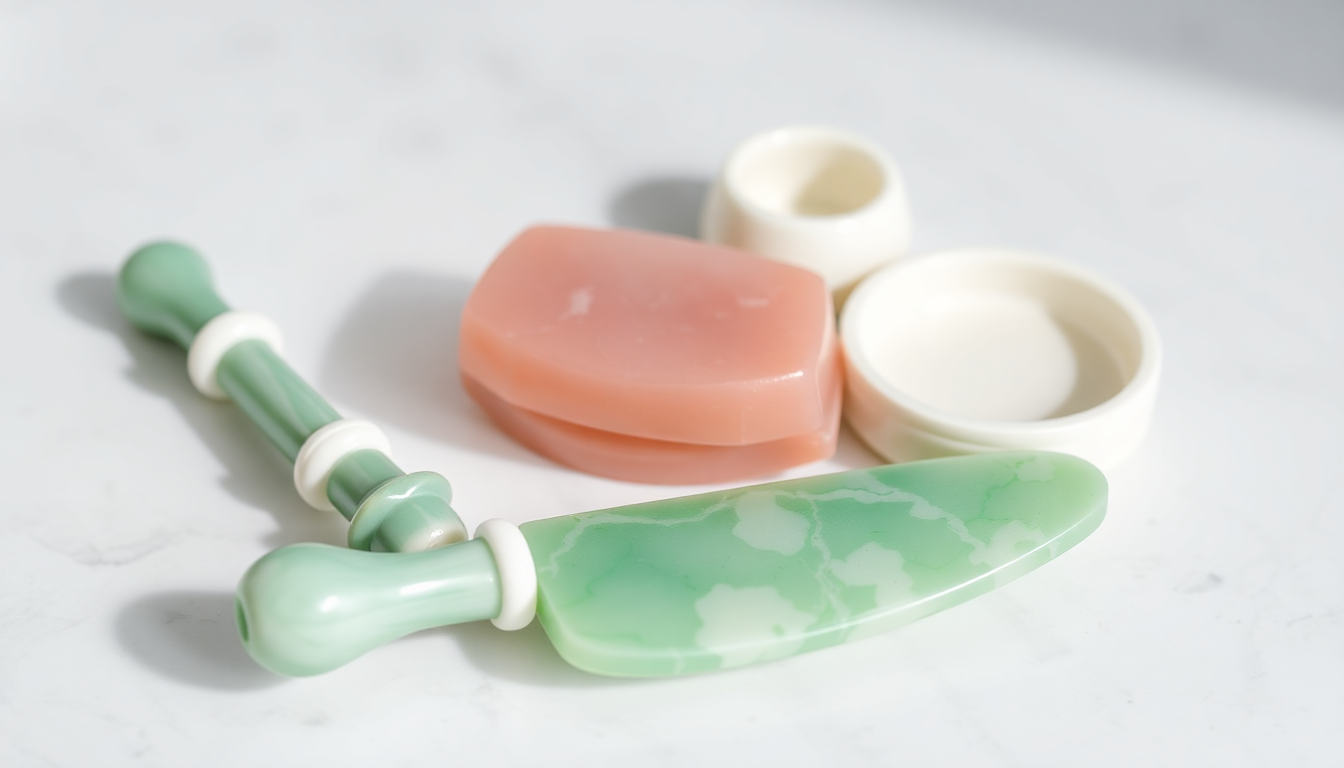
Illustrations: Visual Guides for Each Material
Visual references help you recognize common shapes and edge styles used in gua sha. The following illustrations demonstrate typical contours and how they align with facial zones:


Shop and Sponsored Spotlight: Lova Body — Curated Tools for Your Routine
This article includes sponsored links to help you discover high-quality gua sha tools and accessories. Explore a curated selection of tools and skincare essentials at Lova Body.
Lova Body offers products that align with SEO keywords such as best gua sha tool, jade gua sha tool for radiance, gua sha tools for face, and many more. Whether you’re seeking jade, rose quartz, clear quartz, or ceramic options, Lova Body provides reliable options with clear product information and customer support.
To discover products that complement your gua sha practice—oil blends, serums, travel cases, and education resources—visit Lova Body and explore items tailored to your preferred material and contour profile. This is a sponsored placement to support informed shopping and brand partnerships with SEO-friendly references such as gua sha tool for face, jade gua sha tool for radiance, and lymphatic drainage tools.
Back to Basics: Does Gua Sha Really Work? What to Expect and How to Measure Results
Many readers ask whether gua sha yields visible results. The answer is nuanced: results vary by individual, routine consistency, technique, and product pairing. Typical outcomes reported by enthusiasts include reduced puffiness, improved facial contours, and a more awake appearance after a few weeks of steady practice. To measure progress, track days when you use gua sha consistently versus days you skip. Note changes in combination with hydration, sleep, and overall skincare practices rather than expecting overnight miracles.
Tips for Safe Travel with Your Gua Sha Tool
Travel often disrupts skincare routines. To keep your gua sha practice portable and safe while flying or commuting, choose a slim, protective case and a single, versatile edge that covers multiple zones. Keep your tool clean and dry, and consider packing a travel-friendly face oil or serum in a leak-proof bottle. Some travelers prefer a lightweight, foldable gua sha that can fit neatly in a cosmetic bag.
Conclusion: Your Path to Lymphatic Wellness and Radiant Skin
Choosing between Jade, Quartz, and Ceramic depends on your priorities—traditional aesthetics and cooling touch (jade), a luxurious glide and modern look (quartz), or ultra-smooth, budget-friendly performance (ceramic). With consistent use and proper technique, any of these tools can support gentle lymphatic drainage and leave skin looking refreshed and radiant. Remember to pair gua sha with a nourishing routine and listen to your skin’s response.
Ready to elevate your gua sha routine? Explore the Lova Body lineup for curated options and premium guidance. Lova Body offers products that align with SEO keywords such as gua sha tool for face, jade gua sha tool for radiance, and lymphatic drainage tools to help you optimize your skincare journey. For best results, incorporate a consistent routine and adjust pressure, shape, and material to fit your skin’s needs.

Yorum yazın
Bu site hCaptcha ile korunuyor. Ayrıca bu site için hCaptcha Gizlilik Politikası ve Hizmet Şartları geçerlidir.