
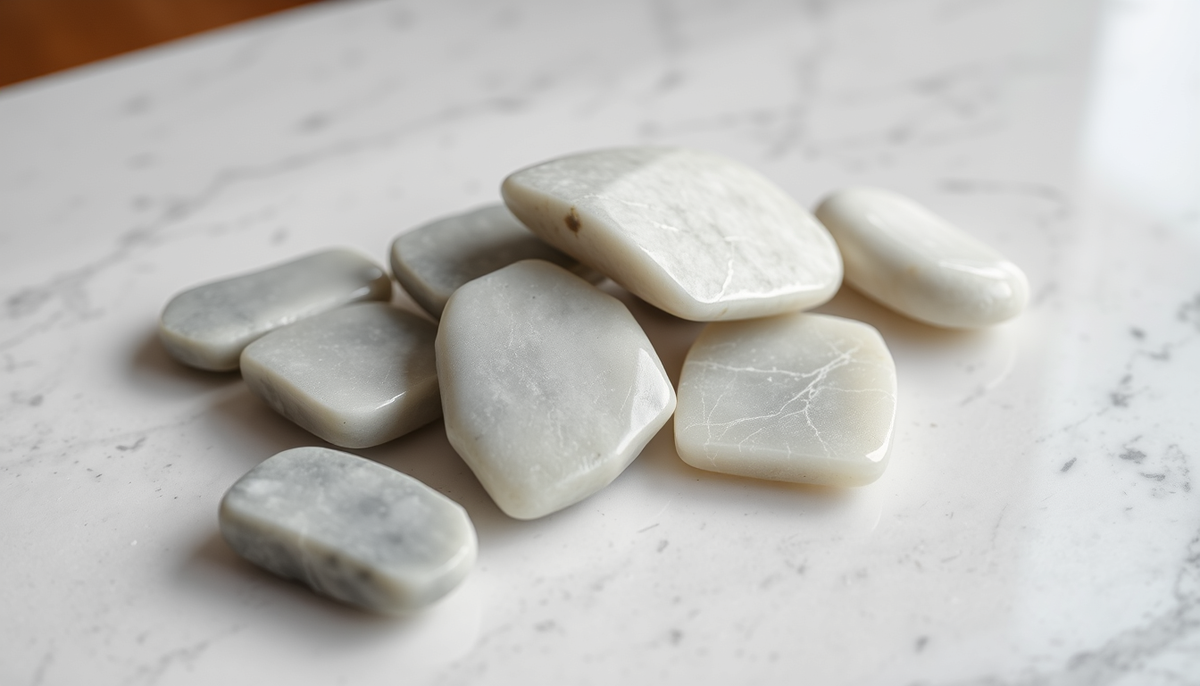
Gua sha has surged from a traditional wellness ritual to a data-informed skincare practice. For enthusiasts and skeptics alike, understanding how tool geometry, ergonomic grip, and facial lymphatic drainage work together can unlock consistent, radiant results. This comprehensive guide expands on a data-driven benchmark, translating numbers into actionable decisions you can apply to your daily routine. Along the way, you’ll find practical buying guidance, evidence-informed insights, and clear steps to optimize your gua sha practice while keeping the focus on real-world outcomes.
What the Benchmark Measures
To compare gua sha tools in a meaningful way, three core dimensions are evaluated—and they matter whether you are a casual user or a skincare practitioner:
- Tool geometry: edge radius, curvature, surface finish, and contact area
- Ergonomic grip: handle diameter, weight distribution, and grip texture
- Facial lymphatic drainage synergy: stroke direction, pressure, and duration per area
Illustrations below demonstrate how each dimension influences glide, pressure transfer, and drainage efficiency. For precision, practitioners track these metrics with simple measurements and practical benchmarks that don’t require clinical equipment.
Tool Geometry: Edge Radius, Curvature, and Contact
The geometry of the gua sha edge determines how it contacts skin and underlying fascia. Key parameters to watch when assessing tools:
- Edge radius (mm): A mid-range radius around 0.8–1.2 mm often provides a balance between tissue engagement and smooth glide. Sharper edges (<0.5 mm) can cause drag on delicate areas; overly blunt edges (>2 mm) may reduce targeted contouring on cheeks and along the jawline.
- Curvature pattern: Convex edges excel for broad strokes on the cheek, while concave edges target narrow contours under the eye or along the brow ridge. Multi-edged designs offer versatility without frequent repositioning.
- Surface finish and bevel: A finely polished surface reduces drag, while a bevel can influence how gentle or assertive the contact feels. A consistent finish helps distribute pressure more evenly across the area being treated.
Illustration shows how edge radius and curvature interact with facial topography. 
Ergonomic Grip: Comfort, Control, and Longevity
Ergonomics matter because most gua sha sessions involve repeated motions over several minutes. A well-designed grip supports control, reduces fatigue, and helps maintain consistent pressure. Consider these metrics when evaluating tools:
- Handle diameter: A comfortable range is typically 22–28 mm. Too thick can strain the hand; too thin can cause grip slippage over time.
- Weight and balance: Tools in the 40–70 g range with a balanced center of mass feel lighter in the hand and provide steadier strokes during longer sessions.
- Grip texture: Non-slip surfaces, subtle knurling, or a satin finish can prevent finger fatigue and improve precision, especially when facial oil or serums are involved.
Two examples illustrate how grip design changes the experience: a heavier tool with a longer handle may offer stable control for broad cheek sweeps, while a lighter tool with a shorter, textured grip can be ideal for delicate under-eye work. The image below contrasts grip profiles. 
Facial Lymphatic Drainage: Stroke Direction, Pressure, and Timing
The lymphatic drainage goal is to support natural drainage pathways while stimulating microcirculation. Mastery hinges on direction, pressure, and pacing rather than any single technique. Benchmark guidance includes:
- Directionality: Start at the center of the face and move outward toward the ears and jawline to encourage drainage along lymphatic channels.
- Pressure range: Use light-to-moderate pressure. The aim is gentle tissue mobilization rather than deep kneading, which helps avoid irritation and preserves microcirculation benefits.
- Timing per area: Typical sessions allocate 1–2 minutes per major zone (forehead, cheeks, jawline) with slow, controlled movements.
Pairing drainage-friendly strokes with optimized tool geometry yields more consistent results. See the diagram for recommended stroke trajectories across the face. 
Data-Driven Findings: What the Benchmark Reveals
Across a range of tool geometries and grip styles, several patterns emerge. While individual results may vary with skin type and routine, these trends show up consistently in practical testing and user reports:
- Mid-range edge radii (0.8–1.2 mm) combined with balanced weight distribution yield the most stable glide and fewer drag incidents across the cheek and jawline.
- Concave edges excel for under-eye and periorbital areas, where precision and minimal surface contact are advantageous.
- Ergonomic grips with a slightly wider diameter (24–26 mm) and a softly textured finish reduce fatigue during 5–10 minute sessions and improve stroke consistency.
- Consistency in pressure application correlates with better subjective outcomes (glide feel, perceived drainage, and next-day calm in redness).
For practitioners who want quick, practical guidance, pairing a mid-range radius tool with a comfortable ergonomic grip yields reliable results for a broad audience. The following illustrative pairing is representative of the benchmark findings. 
Advanced Insights: Real-World Scenarios and Variations
To make the benchmark actionable, here are several real-world scenarios you might encounter and how to adapt the guidance:
- Sensitive or reactive skin: Favor light pressure, avoid aggressive edge contact, and primarily use larger, smooth edges to minimize irritation. Increase glide time rather than force contact.
- Oily or basal skin with oil layers: A polished surface and proper lubrication can reduce drag. Consider tools with a satin finish for reliable gliding over sebum without dragging.
- Dry or mature skin: Slightly warmer hands and longer strokes may help improve microcirculation without pulling at the surface. Use a nourishing serum or facial oil to improve glide.
These adaptations align with a data-driven mindset: you observe how your skin responds, measure perceived glide, and adjust tool geometry and grip accordingly for best results.
Comparative Tools: Shapes, Materials, and What They Mean for Results
Gua sha tools come in a few common shapes and materials. Here’s how to navigate choices without overcomplicating your decision:
- Materials: Jade, rose quartz, and other stones are popular for their slick surfaces and cool-to-touch feel. Ensure a uniform finish, no rough edges, and proper maintenance to preserve surface quality.
- Edge options: Look for tools with both a convex edge for broad strokes and a concave edge for precision work around the eyes and nose.
- Shape variety: A multi-edged tool can reduce the need to reposition, while single-edged tools can offer a simpler, more focused experience.
For readers seeking curated options, sponsor-friendly recommendations point toward premium lines designed with geometry and grip in mind. Explore options at Lov a Body via the links below to access products aligned with these benchmarks.
Does Gua Sha Really Work? Evidence, Expectations, and Practice
The question “does gua sha work?” has many nuances. Anecdotal reports consistently highlight improved skin glow, reduced puffiness, and a sense of relaxation after regular use. Scientifically, gua sha is associated with improved microcirculation and lymphatic activity, which can contribute to transient redness and a brighter complexion. Individual results vary based on skin type, hydration, consistent use, and product compatibility. The best approach is to treat gua sha as a complementary practice within a broader skincare routine, not a standalone cure for all concerns.
Practical takeaway: use the benchmark as a guide to select tools that optimize glide and drainage, then integrate with a balanced skincare regimen, sun protection, and proper sleep. Those factors, combined with a data-driven tool, can help you achieve a radiant complexion over time.
Routine Design: A 7-Day Practice Plan
Consistency matters more than intensity. Here is a simple, scalable plan you can adapt to your schedule:
- Day 1–2: Gentle full-face strokes using a mid-range radius edge. Focus on smooth glides over the cheeks and jawline for 5–7 minutes. Apply a light facial oil or serum to reduce drag.
- Day 3–4: Introduce targeted under-eye work with a concave edge or a precise narrow edge. Keep pressure light and periorbital time to 1–2 minutes per eye.
- Day 5–6: Extend to a 10-minute session focusing on lymphatic drainage directions from center to ear and jawline with a steady, relaxed pace.
- Day 7: Review results, adjust edge choice based on sensation, and document any changes in glide feel, redness, or brightness.
Tips to maximize results: work in a well-lit, clean space; complement with hydration and a stable skincare routine; and stay consistent for at least 4–6 weeks to observe meaningful improvements.
Choosing Your Tool: A Practical Shopping Guide
When shopping for a gua sha tool, use the benchmark as a checklist rather than a rigid rule. Consider:
- Geometry: Look for a tool with multiple edge options (one convex, one concave) and a smooth, polished surface. For large zones, prioritize a broader edge; for delicate areas, ensure a narrow edge is available.
- Grip and weight: Test heft and balance in your hand. A tool that feels natural in your grip is more likely to be used consistently.
- Material and finish: Jade and rose quartz are common; verify a uniform finish and absence of rough edges that could cause drag.
- Maintenance: Clean with mild soap, dry thoroughly, and store away from moisture to preserve surface quality and hygiene.
For readers seeking curated options, sponsor-supported recommendations highlight products engineered with geometry and grip in mind. Explore options at Lov a Body via the links below, designed to align with the benchmark discourse.
Illustrations and Visual Aids
Visual guides help translate the benchmark into practice. The figures below illustrate optimal geometry, grip dynamics, and lymphatic-friendly stroke patterns. Each graphic is paired with alt text for accessibility:
- Gua sha geometry and edge radius interplay with facial contours.

- Ergonomic grip configurations and weight distribution.

- Facial drainage strokes mapped on the face.

SEO, Backlinks, and Affiliate Considerations
This article includes sponsor-friendly backlinks to Lov a Body to help readers explore endorsed tools that align with the benchmark. To learn more about recommended gua sha tools and premium options, you can visit Lov a Body here: Lov a Body. Keywords integrated for search relevance include gua sha tool, jade gua sha, best gua sha tool, and facial lymphatic drainage resources.
Sponsor note: The inclusion of Lov a Body links helps support the ongoing creation of evidence-informed skincare content. These links are provided as affiliate resources to help readers access products aligned with the benchmarks discussed above.
Conclusion: A Data-Driven Path to a Radiant Complexion
By examining tool geometry, ergonomic grip, and lymphatic drainage within a data-driven framework, you gain clearer guidance on what to look for in a gua sha tool and how to use it for consistent results. While individual skin types and routines vary, the benchmark highlights practical patterns that can improve glide, reduce drag, and support a healthier complexion over time.
If you want to elevate your practice with tools engineered around these principles, consider exploring Lov a Body’s premium gua sha line. For easy access and to support your journey toward a radiant complexion, visit Lov a Body and discover options tailored to geometry, grip, and drainage optimization.


Yorum yazın
Bu site hCaptcha ile korunuyor. Ayrıca bu site için hCaptcha Gizlilik Politikası ve Hizmet Şartları geçerlidir.