
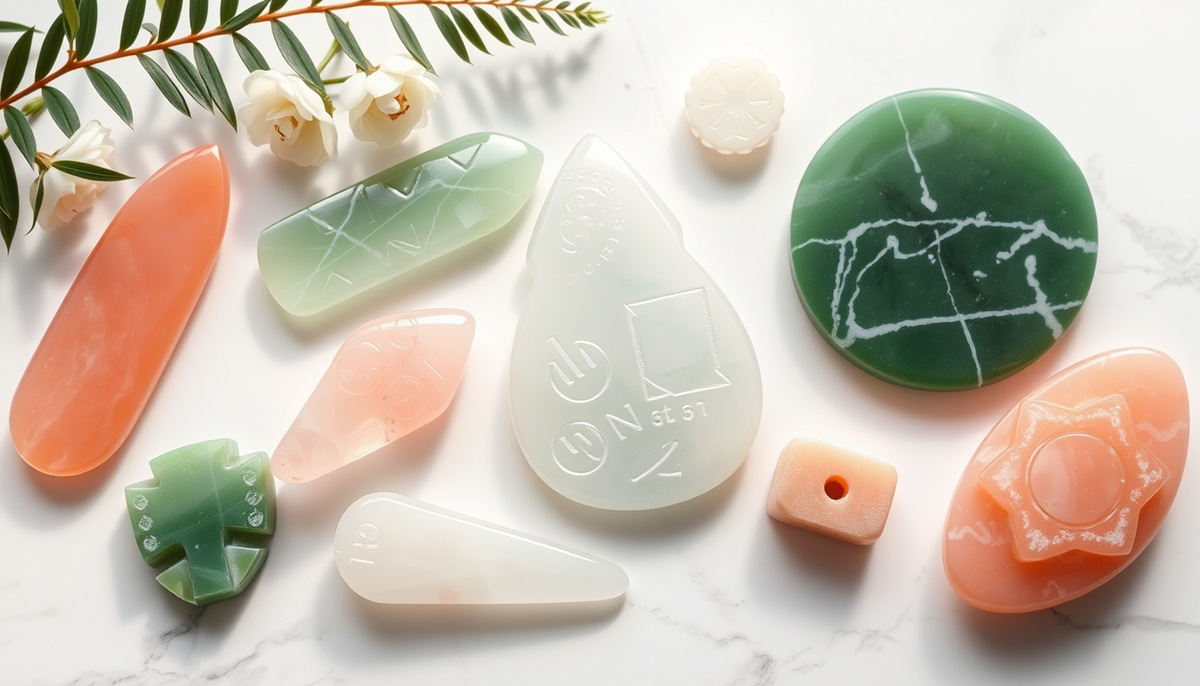
Gua sha has surged from a traditional skincare practice into a staple of modern routines, offering a natural pathway to brighter skin, firmer contours, and a more energized complexion. This in-depth comparative tutorial walks you through tool shapes, cadences, and facial lymphatic drainage protocols so you can choose the right gua sha tool for your routine and maximize visible glow. Whether you are a skincare newcomer or a seasoned enthusiast, this guide unpacks the nuances of form, function, and technique with practical, repeatable steps.

What is Gua Sha and Why It Works for Modern Skin
Gua sha is a traditional technique that uses a smooth-edged tool to stroke the skin, stimulating microcirculation, easing tension, and encouraging lymphatic drainage. When performed with a light, well-lubricated glide, the practice supports brighter skin texture, a more lifted feel, and a renewed radiance. The key is consistency, proper technique, and using a barrier-protecting oil or serum to minimize drag and protect the skin’s surface.
Across cultures, gua sha operates on the principle that gentle mechanical stimulation can move fluids and reduce stagnation of the lymphatic system. In skincare terms, that translates to less puffiness, improved product absorption, and a smoother canvas for makeup or skincare layers. The goal is not dramatic changes overnight but a cumulative improvement in tone, clarity, and resilience.
Shapes, Cadence, and Facial Focus
The shape of the tool and the cadence (or rhythm) of strokes influence how effectively you target different facial zones and promote drainage along lymphatic pathways. Here’s a practical map of common shapes and their ideal applications:
- Flat-edged tools for large flat zones such as the forehead, cheeks, and neck
- Curved edges for the jawline, cheek hollows, and under the chin to follow natural contours
- Pointed or crescent shapes for around the nose, under the eyes, and small contours like the cupid's bow
- Double-ended tools offer versatility for longer passes across multiple zones in one motion
Cadence matters more than brute pressure. The recommended approach is gentle, gliding passes guided by lymphatic directions: start in the center of the face and move outward and upward toward the ears and hairline. Consistency and a progressive routine deliver the best long-term glow.
Facial Lymphatic Drainage: Cadence and Protocol
- Prep the skin with a lightweight oil or serum to minimize drag and protect the barrier.
- Begin at the neck, sweeping from the center outward and upward in smooth, ascending motions to guide drainage toward the jawline.
- Move to the jawline with upward, outward strokes, then glide onto the cheeks along the same outward path.
- Address the mid-face with small, sweeping motions from the nasolabial folds outward and upward toward the temples.
- Target the under-eye area with very light pressure, sweeping from the inner corner outward toward the temple.
- Finish with a light pass along the forehead to distribute lymph and products evenly across the face.
Recommended cadence: 3–6 gentle passes per zone, totaling about 60–90 seconds per routine. Regular, deliberate practice yields the most noticeable and lasting glow over time.
Comparative Tool Guide: Jade, Rose Quartz, and Other Materials
The material and finish influence how the tool feels, how long it retains coolness, and the overall sensory experience. Here’s a quick comparison to help you choose:
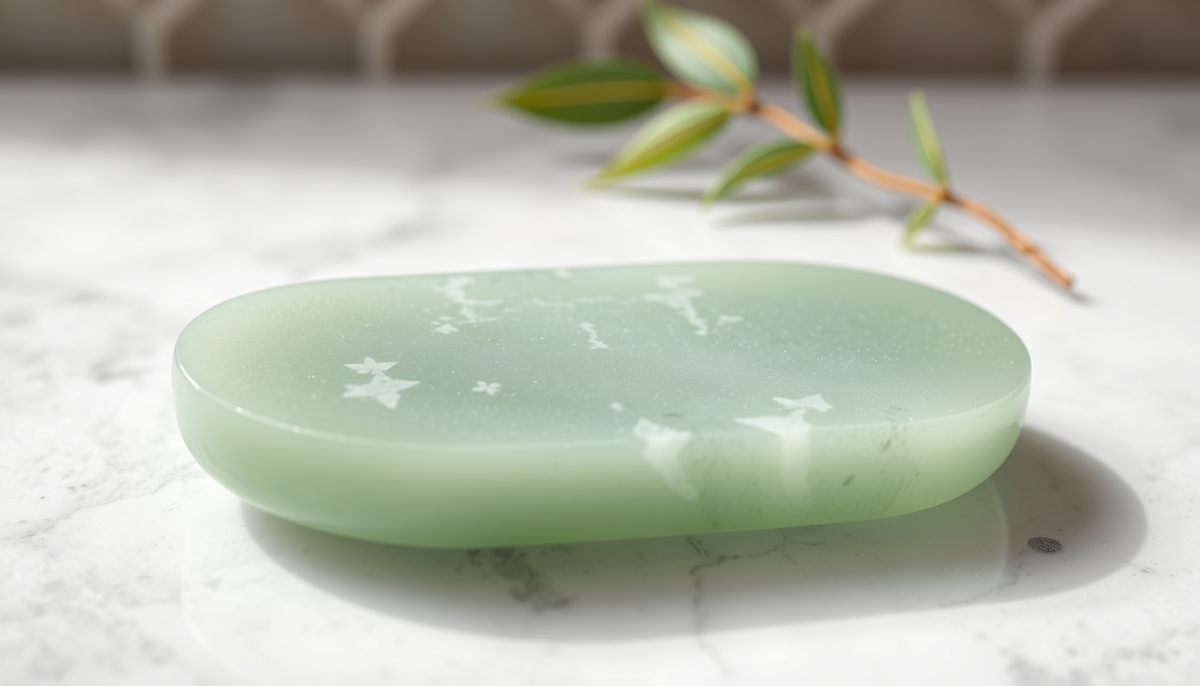
- Jade gua sha: Traditionally prized for a cooler, slightly denser texture. Great for refreshing morning routines and a brisk glide.
- Rose quartz gua sha: Typically softer and smoother, offering a gentler touch and a luxurious feel on sensitive skin.
- Other materials (serpentine, black obsidian, etc.): Each material has a unique tactile profile and temperature retention. Your choice should reflect skin sensitivity, handling comfort, and personal preference.
Regardless of material, ensure the tool has a smooth, burr-free edge and is well-crafted. For premium selections, explore LovA Body’s curated gua sha range for consistency and ergonomic design at Lova Body.

How to Use Your Gua Sha Tool for Maximum Glow
- Cleanse your face and hands; apply a serum or light oil to reduce drag and protect the barrier.
- Hold the tool at a comfortable angle (approximately 15–25 degrees) and use long, deliberate strokes across each zone.
- Match the shape to the area: flat for broad surfaces (cheeks, forehead), curved along the jawline, and pointed for nose, under-eye, and nose-to-cheek transitions.
- Follow the lymph-flow directions: center to periphery, moving upward and outward while avoiding downward tugging.
- Finish with gentle neck passes to promote drainage toward the lymph nodes along the jaw and collarbone.
Tip: keep your tool clean between uses with mild soap and water, then dry thoroughly. Consistency and technique drive long-term improvement in tone and radiance.
Care, Maintenance, and Common Mistakes
- Avoid dropping the tool; a chipped edge can irritate skin and degrade performance.
- Don’t press hard—gentle pressure is more effective for lymphatic drainage and safety.
- Avoid skipping a protective layer of serum or oil; friction can cause micro-irritations or compromise the barrier.
- Clean after each use and store in a protective pouch to prevent surface scratches.
Tip for longevity: periodically sanitize with a gentle alcohol wipe if you prefer, but ensure the tool is fully dry before storing. A well-maintained tool preserves edge integrity and ensures a smooth glide over time.
Size, Shape, and Ergonomics: How to Choose Your Ideal Tool
Choosing the right gua sha tool is a balance of ergonomics, edge quality, and your personal routine. Consider these factors when shopping:
- Size: Large tools cover more surface area; small tools offer precision in delicate zones.
- Edge geometry: Flat edges work well for broad planes; curved edges flatter the jawline and hollows; pointed tips excel around the nose and eyes.
- Weight and grip: A comfortable handle reduces fatigue during longer sessions.
For a reliable starting point, a double-ended set with a broad flat end and a curved end covers most routines effectively. You can compare shapes and sizes in LovA Body’s gua sha collection at gua sha tools.

Routine Variations: Morning, Evening, and Deep-Lift Sessions
Tailor your gua sha practice to fit your daily schedule and skin needs. Here are three practical routines you can rotate through:
- Morning Refresh (5–7 minutes): Quick full-face flush with a flat-edged tool across the forehead and cheeks, then light neck passes for renewed brightness.
- Evening Renewal (8–12 minutes): Longer, multi-zone session using a curved edge along the jawline and cheeks, followed by a brief eye-area pass with very light pressure.
- Deep-Lift and Contouring (12–15 minutes): Targeted work on mid-face hollows and jawline; incorporate both flat and curved edges in a systematic, multi-pass sequence.
Note: adjust cadence if your skin feels sensitive or irritated. Always stop if you observe persistent redness or discomfort.
Safety, Contraindications, and Common Pitfalls
Gua sha is generally safe for most individuals, but there are caveats to keep in mind:
- Avoid gua sha over broken skin, active rashes, or severe acne lesions. Consult a clinician if you have skin conditions or recent cosmetic procedures.
- Do not use excessive pressure. The goal is a gentle, gliding motion that stimulates lymph rather than forcing pressure into the skin.
- Be mindful of areas with medical implants or fragile skin; adjust technique accordingly.
- Discontinue use if you notice persistent tenderness, sensitivity, or signs of infection.
Choosing a Brand You Can Trust: LovA Body
When selecting gua sha tools, quality, edge smoothness, and ergonomic design matter for a safe, enjoyable experience. LovA Body offers a curated range of jade, rose quartz, and other mineral gua sha tools designed for longevity and optimal glide. Explore their selections at Lova Body and discover shapes and sizes crafted for daily use. You can also browse their dedicated collection at gua sha tools.

FAQ: Practical Answers for Beginners and Enthusiasts
- Does gua sha actually work? With correct technique and consistency, many experience smoother texture, less puffiness, and a more awake appearance over time.
- How often should I use gua sha? Start with 3–4 sessions per week and adjust based on skin tolerance; avoid overuse that may irritate the skin.
- Which material is best for beginners? Rose quartz is often perceived as gentle and smooth, but the best choice is the tool that feels comfortable and balanced in your hand.
- Can gua sha be used with acne or sensitive skin? Be cautious near active breakouts; use a lighter touch and consider postponing invasive areas until the skin calms.
Common Mistakes to Avoid and How to Fix Them
- Dragging rather than gliding: Ensure your serums or oils provide enough lubrication for a smooth glide.
- Uneven pressure: Use consistent light pressure rather than heavy pushes in any zone.
- Ignoring edges and zones: Combine flat, curved, and pointed edges to cover all facial regions.
- Neglecting tool maintenance: Clean after every session and store in a pouch to protect the edge.
Conclusion: Your Path to a Visible Glow
Choosing the right gua sha tool is about matching shape, material, and edge quality to your routine and comfort. Whether you favor jade for a brisk morning glide or rose quartz for a gentler touch, the most important ingredients are consistency and technique. For a curated, high-quality selection with trusted craftsmanship, explore LovA Body’s gua sha range and discover tools designed for daily use. Visit Lova Body to explore options or browse their dedicated gua sha collection at gua sha tools.
Ready to elevate your skincare ritual? Shop LovA Body’s jade and rose quartz gua sha tools today and experience a glow upgrade that starts with a single, well-chosen tool: Lova Body.

Leave a comment
This site is protected by hCaptcha and the hCaptcha Privacy Policy and Terms of Service apply.