

Overview: Gua Sha for Radiant Skin
Gua sha has moved from traditional revival into a practical skincare ritual for many beauty enthusiasts. This guide expands on the idea of three popular tool materials—jade, quartz, and ceramic—through a comprehensive evaluation of edge shapes, cadence, and facial lymphatic drainage. Whether you are a beginner or a seasoned user, this in-depth comparison helps you choose the right tool for your skin goals, routine, and lifestyle.

Why Gua Sha Works: The Foundations Behind the Practice
Gua sha is believed to stimulate microcirculation, promote lymphatic drainage, and support fascia-friendly movement in the facial landscape. By encouraging gentle fluid shift and reducing stagnation, it can contribute to a brighter, more lifted appearance over time. This article interprets these effects through tangible, tool-specific differences in edge design, tension, and glide. Note that results vary by skin type, lifestyle, and consistency of use.

Edge Shapes: How the Edge Design Impacts Contact and Results
Edge geometry influences glide, contact area, and the precision you can achieve on different facial zones. Here’s how each material tends to behave and how you can leverage those traits:
- Jade: Broad, rounded edges deliver a gentle glide across larger areas like the cheeks and forehead. The forgiving surface is ideal for sensitive or dry skin and beginners seeking a soothing introduction.
- Quartz: Sharper bevels and sculpted edges provide more contouring control, making it easier to target the cheekbone line, jawline, and neck with a crisper stroke and more defined lines.
- Ceramic: A flatter, even edge offers a balanced mix of smoothness and precision, useful for delicate zones around the eyes and temples as well as broader applications without sacrificing control.

Cadence: Rhythm, Pressure, and Facial Lymphatic Drainage
Cadence refers to the tempo, flow, and pressure you apply during each stroke. A thoughtful cadence supports lymphatic drainage, tightens glide, and shapes the final result. Consider these practical cadences by material, and adapt to your comfort level:
- Jade: Slow, steady glides with brief 2–3 second holds at key points. This gentle rhythm is ideal for sensitive or dehydrated skin and helps minimize drag while encouraging subtle drainage.
- Quartz: Moderate cadence with slightly firmer pressure. Focus on sweeping motions along lymph pathways (jawline to neck) to encourage more pronounced contouring and drainage.
- Ceramic: Relaxed cadence with continuous sweeps. A reliable rhythm for beginners and for an overall luminous glow without overstimulation.

Material Deep-Dive: Jade, Quartz, and Ceramic
Jade Gua Sha
Jade’s coolness, smooth surface, and broad edge make it a forgiving entry point. Its natural resilience and long-lasting sheen support long, gliding strokes across the cheeks and forehead. Use a slow cadence to maximize lymphatic drainage and reduce puffiness, while keeping tension out of the jaw and neck.

Quartz Gua Sha
Quartz tools typically offer sharper edges for more contouring control. The precise bevel helps you target mid-face zones, the jawline, and the neck with cleaner lines. A moderate cadence can yield more sculpted results with effective drainage, especially when you pause briefly at major lymph nodes.

Ceramic Gua Sha
Ceramic offers a flatter, balanced edge that straddles smoothness and control. It performs well for a full-face routine, including delicate zones under the eyes, with a steady cadence to promote a uniform glow across the complexion. Its cooler weight can feel especially soothing on tired mornings.

How to Use Gua Sha Safely: Step-by-Step Guide
- Prep the skin: cleanse thoroughly and apply a facial oil or serum to create a smooth glide. A prepped surface reduces drag and minimises irritation.
- Position and hold: hold the tool at a comfortable angle (about 15–30 degrees) to avoid dragging. Begin at the center of the face and move outward.
- Stroke sequence: follow a lymphatic drainage-inspired path: from the center of the face outward to the ears and down toward the neck. Use 3–5 passes per area, adjusting pressure as needed.
- Daily use vs. recovery: start 3–4 times per week and adjust based on skin response. Do not overdo it; skin should feel refreshed, not irritated.
- Post-care: rinse the tool, pat dry, and apply moisturizer or serum to seal in benefits. Cleanliness is essential to avoid irritations or breakouts.
Tips for Best Results and Common Mistakes
- Avoid pulling the skin; keep glides light and controlled to prevent micro-tears and redness.
- Use a clean tool and clean hands to prevent irritation or breakouts.
- Don’t use gua sha on broken skin or active acne without professional guidance.
- Choose the right material for your skin type and goals, as outlined in the material deep-dive.
- Pair gua sha with a hydrating serum or facial oil to maximize glide and drainage.
- Alternate shapes within a routine: jade for the wider zones, quartz for contouring, ceramic for gentle under-eye work.
Common Mistakes to Avoid
- Over-application of pressure, especially on the neck, which can overstimulate and cause redness.
- Using gua sha on irritated or inflamed skin or active breakouts.
- Skipping patch tests for new serums or oils used with gua sha tools.
- Neglecting tool maintenance; dirty tools spread bacteria and clog pores.
FAQ
- Does gua sha really work?
- When used correctly, gua sha can support facial blood flow and lymphatic drainage, which may reduce puffiness and create a brighter complexion. Results vary by skin type and consistency of use.
- Is jade better than quartz?
- Not inherently better; jade is usually gentler and more forgiving, ideal for sensitive skin, while quartz offers more contouring precision. Choose based on your goals and comfort.
- Can I use gua sha daily?
- Yes, many people use it 3–5 times per week. Start slowly and monitor skin response to avoid over-exfoliation or irritation.
- Should I refrigerate my gua sha tool?
- Chilling jade or ceramic can provide a refreshing sensation and may help with puffiness, but avoid prolonged cold exposure that can irritate sensitive skin.
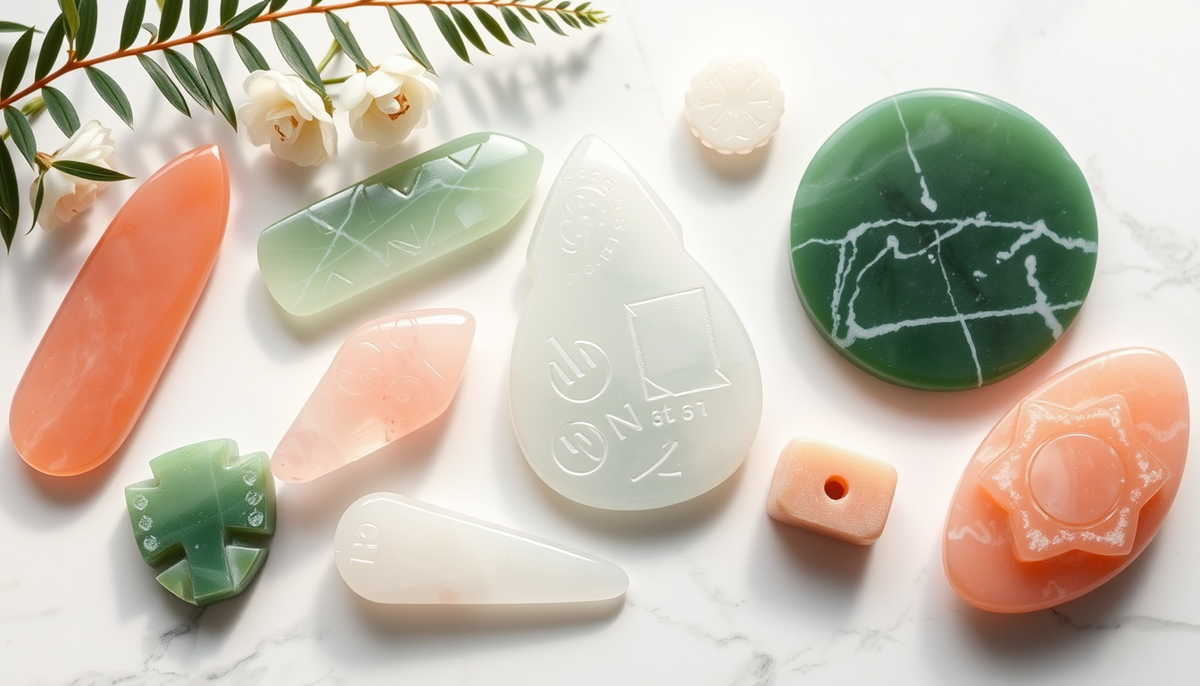
Illustrations of the Three Tools


Seasonal Guidelines: Tailoring Your Routine to Climate
Seasonal shifts impact skin hydration, oil production, and how glide feels on the face. In dry months, pair gua sha with richer serums and a slightly lighter touch to prevent drag. In humid or hot conditions, focus on lighter oils and quicker, gentler sweeps to maintain comfort and prevent shine. Always adjust cadence to your environment and skin response.
Safety, Contraindications, and Important Warnings
Gua sha is generally safe for many adults, but it is not suitable for everyone. If you have active skin infections, open wounds, recent cosmetic procedures, rosacea with flushing, or a history of keloids, consult a skincare professional before trying gua sha. Discontinue if you experience persistent redness, itching, or irritation and seek medical advice if symptoms worsen.
Routine Customization: By Skin Type and Concern
Below are practical templates you can adapt to your goals. Each routine uses jade, quartz, and ceramic tools at a pace comfortable for you.
Start with jade for a soothing base, add ceramic around ocular areas, finish with quartz along the cheekbones for subtle lift. Use quartz for contouring and drainage, then finish with jade to calm inflammation and seal in moisture with a light serum. Combine all three: jade for large areas, quartz for defined lines, ceramic for delicate zones under the eyes and around the nose. Gentle jade and cool ceramic under eyes, followed by a firm jawline sweep with quartz to promote drainage.
How to Clean and Maintain Your Gua Sha Tools
Cleaning after every use helps prevent bacterial growth and maintains optimal glide. Rinse with warm water, use a mild soap or rubbing alcohol (70% isopropyl) for disinfection, and dry thoroughly. Store away from direct sunlight to protect the stone’s natural properties and edge integrity.
Troubleshooting: What to Do If You Experience Redness, Irritation, or Breakouts
- Pause use for 24–48 hours to allow skin to recover if you notice persistent redness or irritation.
- Evaluate your product compatibility; switch to a lighter serum during initial trials.
- Ensure your tool is clean before each use and avoid aggressive pressure near the eyes or on any broken skin.
- Consider a different material that suits your skin type better; jade is often more forgiving for sensitive skin.
Realistic Expectations: Timeline of Visible Benefits
Many users notice a subtle improvement in permeability, glow, and drainage within a few weeks of consistent use. Dramatic changes typically require a broader skincare routine including hydration, sun protection, and possibly professional treatments. Treat gua sha as a supportive tool that complements your overall regimen.
Shop LovA-Body: Choose Your Gua Sha Tool
For curated sets and to explore the LovA-Body collection, visit lova-body.com. This article includes sponsor-style backlinks to lova-body.com on strategic SEO keywords to help you discover the best options for your skin goals.
Explore LovA-Body options with these SEO-friendly paths: gua sha tool, jade gua sha, and ceramic gua sha. Ready to elevate your routine? Purchase LovA-Body products to complement your gua sha practice: visit lova-body.com and explore jade, quartz, and ceramic tools designed for radiant skin and effective lymphatic drainage.
Conclusion: Integrating Gua Sha into a Holistic Skincare Routine
Choosing between jade, quartz, and ceramic is less about one being universally superior and more about finding the right tool for your skin type, goals, and comfort. When used with a thoughtful cadence, proper prep, and a supportive skincare routine, gua sha can be a valuable ally for a radiant, relaxed complexion. Consider starting with jade for a forgiving entry, then experiment with quartz and ceramic to refine contouring and line work. The relationship between edge shape, cadence, and lymphatic drainage is where you’ll feel the most meaningful differences over time.

Leave a comment
This site is protected by hCaptcha and the hCaptcha Privacy Policy and Terms of Service apply.