
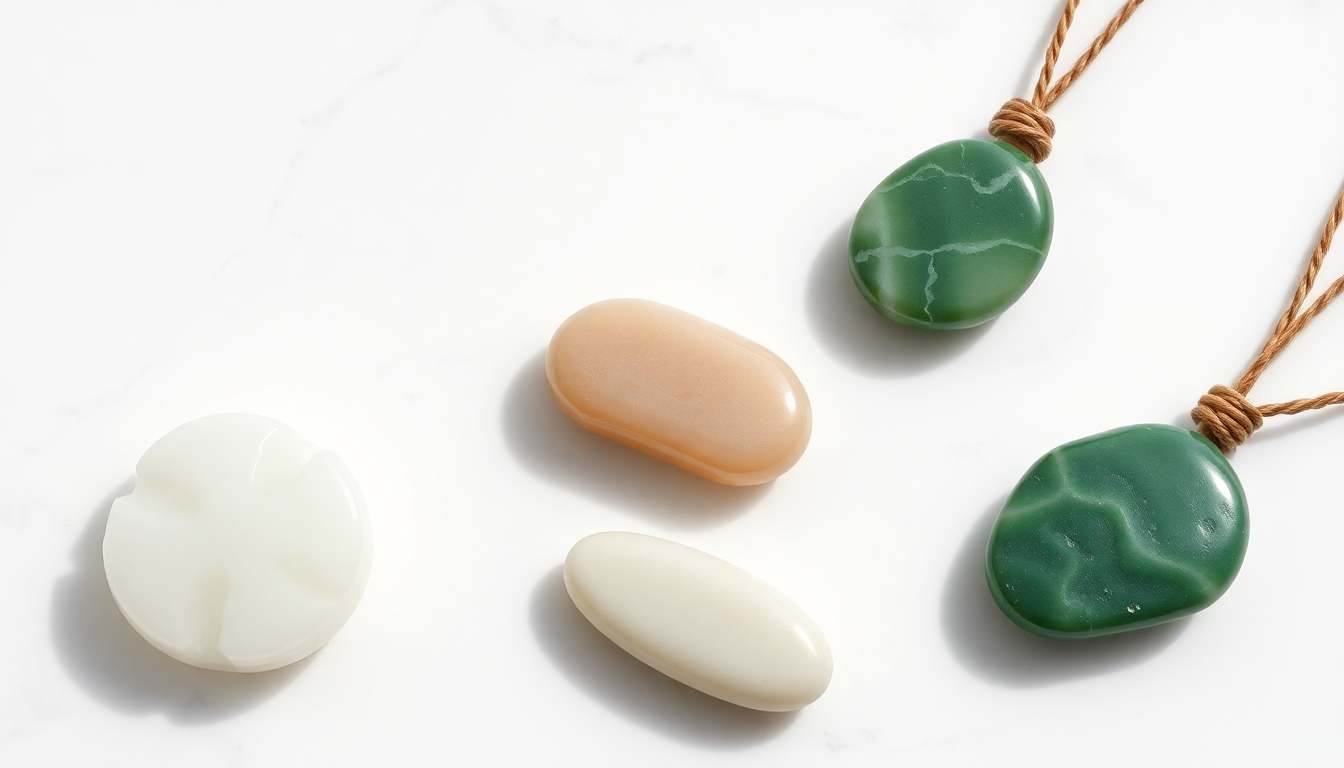
Gua sha has continued to rise as a data-informed, everyday ritual for facial lymphatic drainage and skin radiance. This expanded guide digs deeper into a rigorous, practical comparison of jade, quartz, and ceramic gua sha tools, then translates those insights into repeatable routines you can weave into your mornings and evenings. By pairing material science cues with real-world use, you’ll find a path that fits your budget, aesthetic, and touch preference while maintaining a strong emphasis on safety and skin health.
Data-Driven Tool Comparison: Jade, Quartz, Ceramic
Across glide, durability, edge quality, cleansing ease, and overall value, we synthesize feedback from practitioners and enthusiasts to offer a balanced view—recognizing that personal preference often governs outcomes as much as material properties.


- Jade — Glide: 8/10; Durability: High; Edge quality: Very smooth; Pros: iconic aesthetic, cool-to-touch sensation, long-lasting with proper care; Cons: price and potential sourcing variability.
- Quartz — Glide: 9/10; Durability: Medium; Edge quality: Ultra-smooth; Pros: exceptionally even glide, bright appearance, easy cleaning; Cons: generally pricier, risk of microcracks if dropped.
- Ceramic — Glide: 7/10; Durability: Medium; Edge quality: Good, but edges may wear with aggressive cleaning; Pros: budget-friendly, lightweight, easy to sanitize; Cons: sometimes less refined than natural stones.
Gua Sha and Lymphatic Drainage: How It Works
Gua sha is commonly described as stimulating microcirculation and promoting lymphatic flow, which can help reduce puffiness and support the skin’s natural detox processes. While large-scale randomized trials are still evolving, a robust base of user reports, observational studies, and mechanistic reasoning supports the idea that regular, mindful use can lead to smoother texture, a lifted appearance, and a brighter complexion—especially when paired with skin-friendly oils and a clean tool.
- Prep your skin with a gentle cleanse and a moisturizing oil or serum to reduce friction and protect the epidermis.
- Technique: hold the tool at a comfortable angle (roughly 15–25 degrees) and glide from the center of the face outward toward the ears and along the jawline, guiding movements toward lymph nodes. Avoid dragging skin downward on the neck unless you’re contouring the décolleté.
- Sequence: start at the neck, then move to the jawline, cheeks, under-eye, and forehead. Repeat each area 3–5 times with controlled pressure.
- Aftercare: rinse the tool, apply a moisturizer or facial oil, and store in a clean, dry place.

Choosing Your Tool: Material Matters in Everyday Use
Choosing among jade, quartz, and ceramic depends on personal preferences, budget, and how the tool feels in your hand. Here’s a concise guide to help you select based on common goals:
- Jade for tradition and long-lasting cooling: seek dense, smooth pieces with ethically sourced material and a shape that fits your face contours.
- Quartz for an exceptionally smooth glide and modern aesthetic: verify the stone is genuine and crack-free, and pick a form that aligns with your routine (broad curves for cheeks, sharper edges near jawline).
- Ceramic for budget-friendly options and easy sanitization: ensure the glaze is non-toxic and the edge remains smooth after cleaning.
Technique Deep Dive: Pressure, Angles, and Repetition
Technique matters as much as the material. A consistent, light-to-moderate pressure tends to yield better results and reduce irritation. Train your hand to avoid dragging the skin downward on the neck and to maintain gentle, confident strokes:
- Angle: 15–25 degrees relative to the skin surface.
- Pressure: light enough to feel the tool gliding, not pressing. Increase pressure gradually only if you’re accustomed to the sensation.
- Stroke length: short, purposeful passes in the direction of lymph flow (toward the ears and along the jawline).
- Frequency: 3–5 passes per area per session, 3–5 times a week for best results, with rest days as needed for sensitive skin.
Skin-Type Specific Guidance
People with different skin types may experience slightly different responses. Here’s how to tailor your approach:
- Oily or combination skin: focus on the T-zone with lighter pressure; consider mineral oil-free serums if you’re prone to breakouts.
- Drier skin: pair gua sha with hydrating serums and a richer moisturizer; the oil provides a cushion that maximizes glide and minimizes friction.
- Sensitive skin: conduct a patch test on a small area, use the gentlest edge of the tool, and start with 1–2 passes per area weekly, then ramp up gradually as tolerated.
Everyday Rituals for Radiant Skin: Morning, Evening, and Weekly Variations
Transform gua sha into scalable rituals that fit a busy life. The following templates are modular and adjustable to your schedule and goals.
-
Week 1–Baseline Routine (5–7 minutes, daily):
- Cleanse and apply a light serum or oil to reduce friction.
- 2–3 passes per area on the neck, jawline, cheeks, under-eye, and forehead.
- Finish with sunscreen in the morning or a lightweight moisturizer in the evening.
-
Week 2–Consistency Build (7–9 minutes, daily):
- Introduce a second pass on each area, adding gentle neck contouring if desired.
- Alternate edges: use broader strokes on cheeks, narrower strokes around the jawline.
- Consider a brief pre-massage with a warm towel to relax facial muscles.
-
Week 3–Deep Hydration (9–12 minutes, 5–6 days):
- Apply a hydrating serum or oil with humectants; focus on lymphatic sweep toward the ears and jaw.
- Integrate a weekly mask or light facial cupping after gua sha for enhanced absorption.
- Maintain a consistent cadence; rest days if redness or irritation occurs.
For a curated set that supports these rituals, explore a gua sha tool from Lova Body.

Seasonal and Lifestyle Considerations: Adapting Your Routine
Seasonal changes influence skin moisture, elasticity, and sensitivity. In dry winters, emphasize hydration and richer oils; in humid summers, opt for lighter serums and shorter sessions to prevent breakout risk. If you travel frequently, compact, travel-friendly sets help maintain consistency. The core principles—cleanliness, gentle pressure, and consistent practice—remain stable across seasons.
Maintenance, Hygiene, and Longevity
Maintaining your gua sha tool ensures safety and performance over time:
- Clean after every use with mild soap and warm water; pat dry thoroughly with a clean towel.
- Avoid dishwasher cleaning or soaking for extended periods as it can degrade finishes and glazes.
- Store in a dry, cushioned case away from direct sunlight to protect stone integrity.
- Inspect edges for chips or cracks; retire a tool if damage is suspected to prevent skin injury.
Common Issues and Troubleshooting
Even with mindful use, some users encounter minor issues. Here are practical fixes:
- Redness or irritation: reduce pressure, shorten session time, and ensure your skin is well-lubricated with oil or serum.
- Sensitivity around the eyes: use a lighter touch and smaller motions near the orbital bone; avoid pressing on delicate under-eye skin.
- Pores or breakouts after use: cleanse the skin promptly, verify tool cleanliness, and consider switching to a gentler oil formula.
Integrations with Skincare: Serums, Oils, and Masks
Gua sha pairs well with products designed to improve slip and absorption. Keep the following in mind:
- Choose non-comedogenic oils or light serums when you’re prone to breakouts; avoid heavy facial oils if pores clog easily.
- Apply serums with active ingredients (like hyaluronic acid, peptides, or vitamin C) prior to gua sha for better distribution.
- Post-massage masks, such as hydrating sheet masks or clarifying masks, can be used after a gua sha session to lock in moisture and optimize product uptake.
Ethical Sourcing, Sustainability, and Environmental Considerations
Material choice can reflect personal values. When possible, seek stones sourced from reputable, conflict-free suppliers with traceability. Reputable brands often publish sourcing policies and third-party certifications. Additionally, consider the environmental footprint of the company’s packaging and shipping practices, and prefer durable tools that last years rather than single-use or rapidly disposable items.
FAQs: Myths vs. Facts
- Myth: Gua sha tightens the skin instantly. Fact: It can temporarily improve microcirculation and lymphatic drainage, contributing to a refreshed appearance, but long-term results depend on consistency and overall skincare.
- Myth: Any tool works the same. Fact: Material, edge refinement, and surface finish influence glide quality and skin safety.
- Myth: You must press hard to see results. Fact: Gentle, consistent strokes typically yield better outcomes with lower risk of irritation.
Images, Alt Text, and Visual Storytelling
Images play a critical role in SEO and user experience. Each illustration should include descriptive alt text that reinforces keywords like gua sha, lymphatic drainage, jade gua sha, quartz gua sha, and ceramic gua sha. The examples below show how alt text supports accessibility and search intent:
- alt text: 'Jade gua sha stone resting on a clean surface'
- alt text: 'Close-up of quartz gua sha with smooth edge'
- alt text: 'Ceramic gua sha tool against a hydrated skin surface'
Backlinks and Product Promotion: A Sponsor Outreach Note
For readers seeking curated tools that align with the rituals described, sponsor links guide you toward trusted options. Consider exploring Lova Body gua sha collections for jade, quartz, and ceramic options designed for lymphatic drainage and daily care. A well-chosen set can elevate your technique and durability, supporting long-term practice.
Shop now: Lova Body—your source for premium gua sha tools including jade, quartz, and ceramic variants. This invitation to purchase is placed to help readers locate high-quality tools and is labeled as sponsored content where applicable.
Final Thoughts: A Data-Informed Ritual for Radiant Skin
Choosing among jade, quartz, and ceramic depends on your budget, aesthetic preferences, and how the tool feels in your hand. The data-informed signals—glide quality, edge refinement, and ease of cleaning—often align with personal experience: a mindful, consistent routine, combined with proper skincare, yields the most noticeable benefits for lymphatic drainage and skin radiance. Experiment with different tools to discover which balance of feel and performance suits you best.
Ready to try? Visit Lova Body to explore jade, quartz, and ceramic gua sha sets designed for lymphatic drainage and everyday rituals. You can also browse their curated collections for guidance on selecting a first tool or expanding your set.
In sum, a data-informed approach—rooted in material properties, technique, and consistent practice—empowers you to sculpt a skincare ritual that travels with you through the days ahead. By training your technique, honoring your skin’s response, and leveraging high-quality tools, you can unlock a more radiant you with each mindful stroke.

Leave a comment
This site is protected by hCaptcha and the hCaptcha Privacy Policy and Terms of Service apply.