
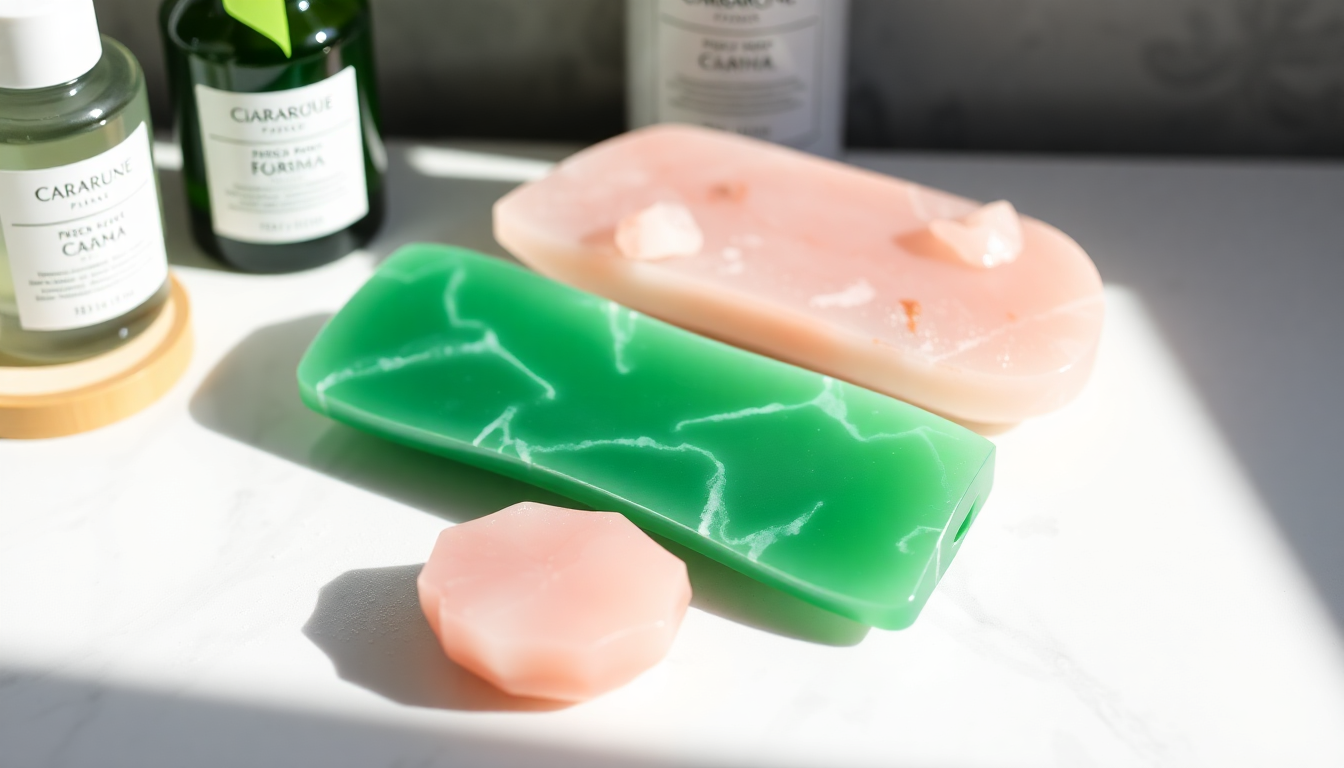
Gua sha has surged in popularity as a non-invasive skincare practice that blends traditional techniques with modern wellness science. In this comprehensive guide, you’ll discover how tool design, precise hand techniques, and a consistent facial lymphatic drainage routine can optimize outcomes. This article dives deep into materials, ergonomics, safety, and practical routines you can actually sustain over time.
What Gua Sha Is and Why It Works
Gua sha is a facial and body scraping technique intended to stimulate superficial microcirculation and lymphatic flow. The science behind gua sha focuses on improving blood perfusion near the skin surface and helping lymph move more efficiently. When performed correctly with skin-friendly products, gua sha can reduce puffiness, support skin tone, and create a brighter appearance without relying on aggressive pressure.
- Enhanced microcirculation can elevate skin tone and radiance
- Facial lymphatic drainage helps decongest the face and reduce swelling
- Gentle scraping may ease muscle tension and promote a calmer complexion
Science-Backed Tool Design: What to Look For
The design of a gua sha tool matters as much as technique. Key considerations include material purity, surface finish, edge profile, and ergonomics. A well-designed tool should glide smoothly, distribute pressure evenly, and feel comfortable in your hand for controlled strokes.
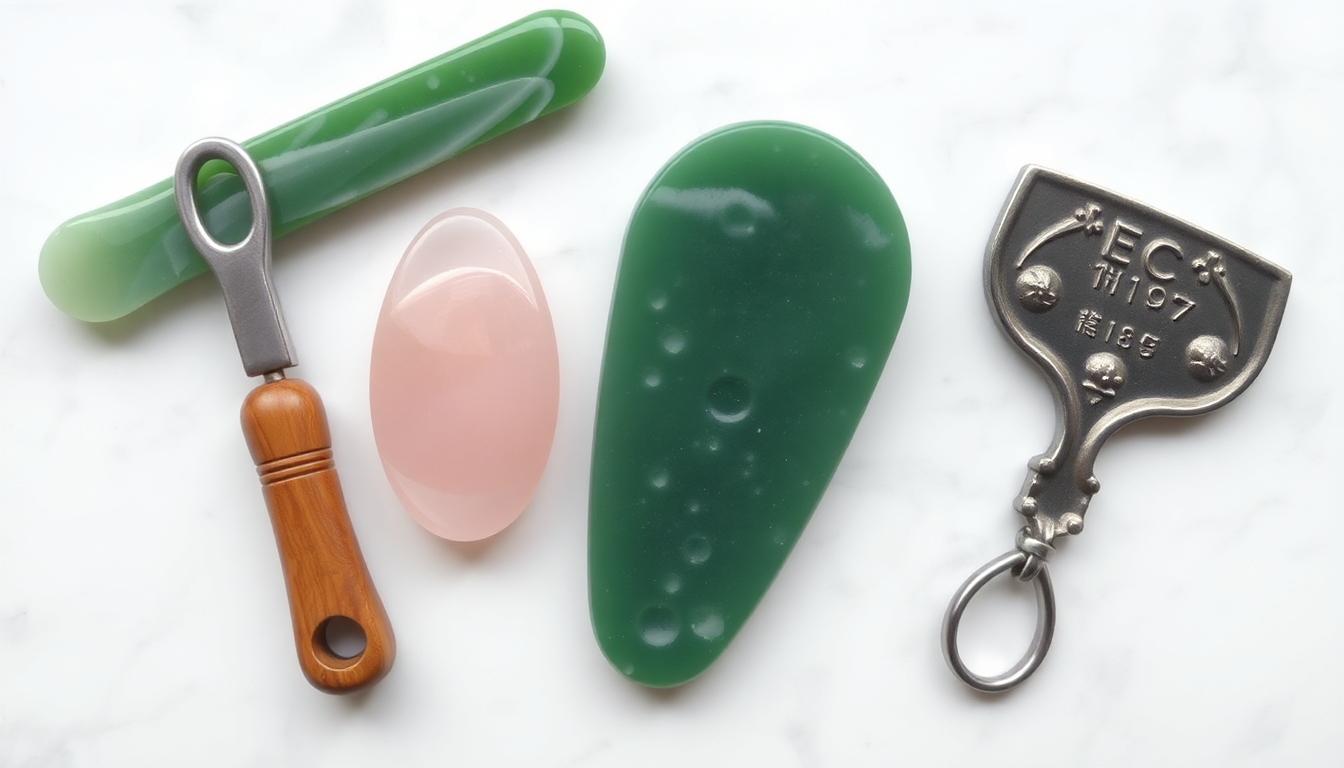
- Material purity: Jade, rose quartz, or other polished stones with minimal inclusions
- Surface finish: Ultra-smooth, crack-free surfaces to minimize skin irritation
- Edge profile: Rounded edges with a safety bevel to avoid micro-tears
- Shape and curvature: Contoured surfaces tailored to facial zones (jawline, cheeks, forehead, neck)
- Grip and weight: Balanced, ergonomic handles to support steady, confident strokes
Choosing Jade, Quartz, or Other Materials
Traditional jade remains popular for its mythic aura and smooth glide, while rose quartz offers similar performance with slightly different aesthetics. Material matters less than a well-finished tool. Be wary of tools with chips, rough edges, or questionable finishes that can irritate the skin.
- Jade gua sha: Classic glide, cultural resonance, and dependable performance
- Rose quartz gua sha: Visually appealing, often more affordable, with comparable glide
- Other materials: Look for non-toxic seals and consistent smoothing; avoid rough edges
Ergonomics and Edge Design for Safe Use
Safe application hinges on a tool you can maneuver confidently. Ergonomic handles, proper weight balance, and softly rounded edges reduce the risk of skin irritation and help you maintain control throughout a routine.
- Comfortable grip: Handles that accommodate your grip style
- Weight balance: Evenly distributed weight for effortless glides
- Edge safety: Smooth radii on all edges to prevent micro-tears
- Compatibility with your skincare routine: A surface that works well with serums and oils

Hand Techniques for Facial Lymphatic Drainage
Technique is the bridge between design and results. Start with clean skin and a hydrating formulation to reduce friction. Consistency and a light touch yield the best outcomes over time.
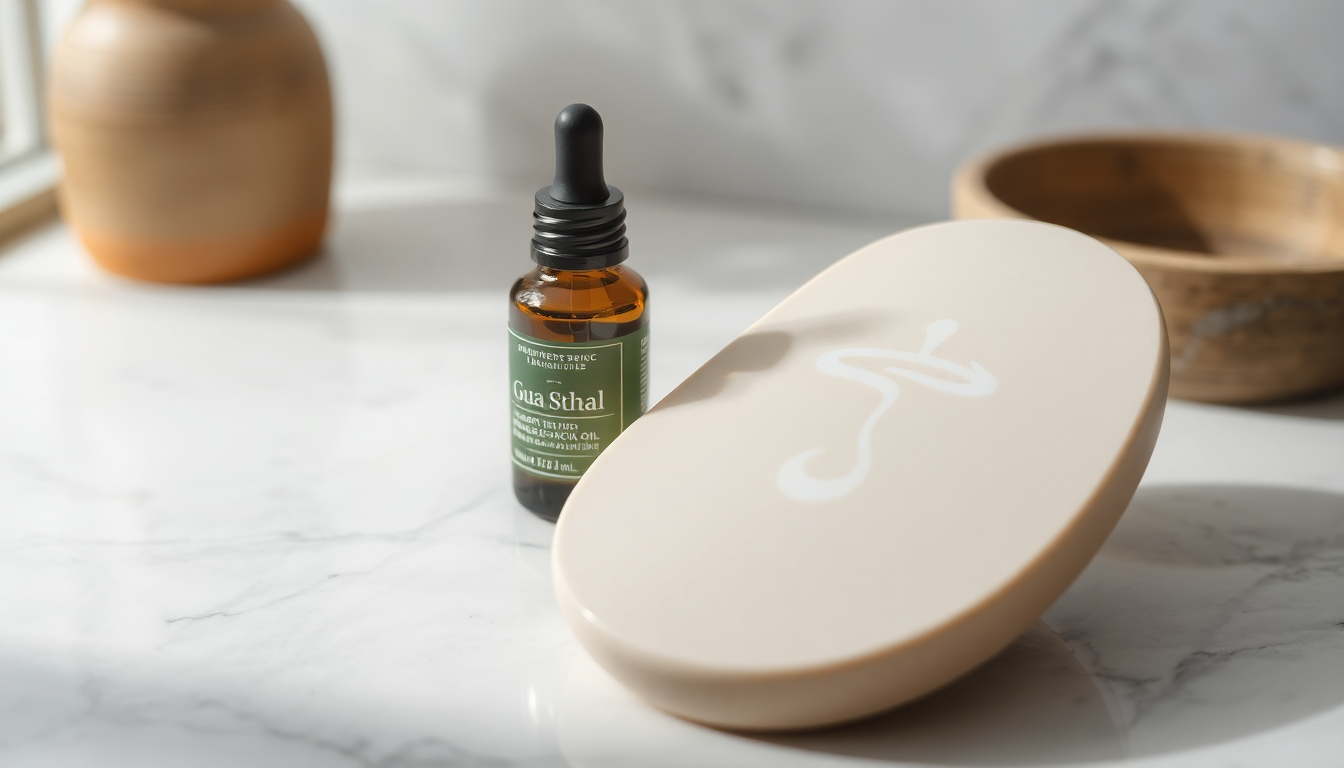
- Prep the skin with a gentle cleanse and a moisture-rich serum or oil to reduce drag.
- Neck first: Use upward, outward strokes toward the jawline to encourage lymph flow away from the face.
- Cheeks: Employ long, sweeping motions toward the temples and ears with light to moderate pressure.
- Jawline: Use gentle chiseling movements to address fullness along the lower face and beneath the chin.
- Forehead and brow area: Sweep upward from the eyebrows to the hairline to release tension.
- Conclude with a light overall pass to unify the treatment and calm the skin.

Routine for Consistency: 5–15 Minutes Daily
Consistency beats intensity. A balanced routine of 5–15 minutes, twice daily or at least once per day, can help maintain improved circulation and lymphatic drainage. Pair gua sha with a compatible serum or oil to minimize friction and maximize glide. Avoid pressing hard on inflamed, irritated, or broken skin.
- Warm up with a gentle cleanse and a hydrating serum or oil
- Neck and décolletage: 2–3 minutes of upward, outward strokes
- Cheeks and jaw: 4–6 minutes of controlled passes with gradual coverage
- Forehead and brow: 2–4 minutes with upward sweeps
- Final glides: 1–2 minutes for overall balance and tone
Advanced Variations: Adapting to Face Shapes and Goals
Every face is unique. Adapt your technique to address key concerns such as fullness in the cheeks, a rounded jawline, or a soft neck line. For tighter skin, use slightly firmer pressure on broader strokes; for sensitive or aging skin, reduce pressure and increase the frequency of lighter, longer passes.
- Cheek emphasis: Use broader strokes from the mid-cheek toward the temples
- Jawline sculpting: Short, precise strokes along the edge of the jaw
- Neck refinement: Gentle upward sweeps from collarbone to jaw
- Temple release: Light, circular or sweeping motions to ease tension
Maintenance, Cleaning, and Longevity of Your Tool
Proper care extends tool life and protects skin health. Clean your gua sha after each use and store it in a dry, cool place. Avoid dropping the tool, and inspect edges for chips or cracks that could scratch skin. Periodically sanitize with a gentle alcohol wipe or a non-toxic cleanser recommended by the maker.
- Clean after each use with a mild soap and warm water
- Avoid soaking in water for long periods to prevent cracks
- Dry thoroughly and store in a soft pouch or case
- Inspect for chips; replace if edge safety is compromised
Safety and Contraindications
Gua sha should not be used on broken skin, active acne with open lesions, inflamed rashes, or recent cosmetic procedures unless cleared by a clinician. If you have a medical condition or are pregnant, consult a healthcare professional before starting a gua sha routine. Stop if you experience persistent redness or irritation.
Common Myths vs Reality
Myth: Gua sha detoxifies the body by pulling toxins from deep tissues. Reality: The visible improvements come from increased superficial circulation and enhanced lymphatic drainage, not deep tissue extraction. Results vary, and gua sha is best used as part of a consistent skincare routine rather than a standalone cure.
Backlinks, Resources, and Sponsor Notice
Strategic SEO notes: this article includes affiliate and sponsored links to high-quality tools and skincare products to support ongoing content creation. The links provide convenient access to recommended items while maintaining transparency about sponsorship.
For premium gua sha tools and oils, explore LovA-Body products at LovA-Body.
To shop, visit LovA-Body's gua sha collection.
Shop LovA-Body: A Final Invitation
If you’re seeking a curated line of tools and serums designed to support facial lymphatic drainage and skin health, LovA-Body offers premium options. Start with their jade gua sha and rose quartz tool sets to supplement your routine. Sponsored links below for search engine optimization purposes. Consider adding these products to your skincare arsenal for consistent results.

Illustrations and Visual Guides
Visuals can help you master technique and understand pathways. The diagrams below highlight key gua sha routes and lymphatic drainage patterns. Use them as a reference during practice.


Note: Images include alt text with keywords such as gua sha, facial lymphatic drainage, jade gua sha, and rose quartz gua sha to aid accessibility and searchability.
How to Maximize SEO While Practicing Gua Sha
To help this guide reach readers who are seeking practical, science-backed information, we align content with common questions and intent. Use clear headings, concise steps, and keyword-rich alt text for all visuals. When writing product references, ensure transparency by labeling sponsored content and providing legitimate calls to action.
Frequently Asked Questions
Does gua sha actually work? When used consistently with proper technique and skin-friendly products, most users notice improved facial contour and reduced puffiness. It complements skincare but is not a substitute for medical care.
How often should I use gua sha? Most people benefit from daily or every-other-day sessions of 5–15 minutes, adjusting pressure and duration to skin sensitivity and goals.
How often should I replace my gua sha tool? Inspect for chips and cracks; replace if surface integrity is compromised. A well-maintained tool remains safe and effective for years.
Disclaimer: This article is for educational purposes and should not replace professional medical advice. If you have concerns about your skin health, consult a dermatologist.

Dejar un comentario
Este sitio está protegido por hCaptcha y se aplican la Política de privacidad de hCaptcha y los Términos del servicio.