

Gua sha has surged in popularity as a natural skincare practice that supports facial lymphatic drainage, helping to reduce puffiness and promote a radiant complexion. In this comprehensive guide, you’ll find a practical, side-by-side tool comparison and an expanded, crystal-clear step-by-step hand technique routine you can perform daily or several times a week. Whether you’re new to gua sha or looking to upgrade your toolkit, this in-depth article covers tool materials, shapes, sizes, and technique refinements to boost lymph flow and improve skin tone for long-lasting results.
Side-by-Side Tool Comparison: Jade, Rose Quartz, and Other Materials
Choosing the right gua sha tool depends on material, shape, and your skin goals. Here is a thorough comparison designed to help you pick the best option for facial lymphatic drainage and lasting glow.
-
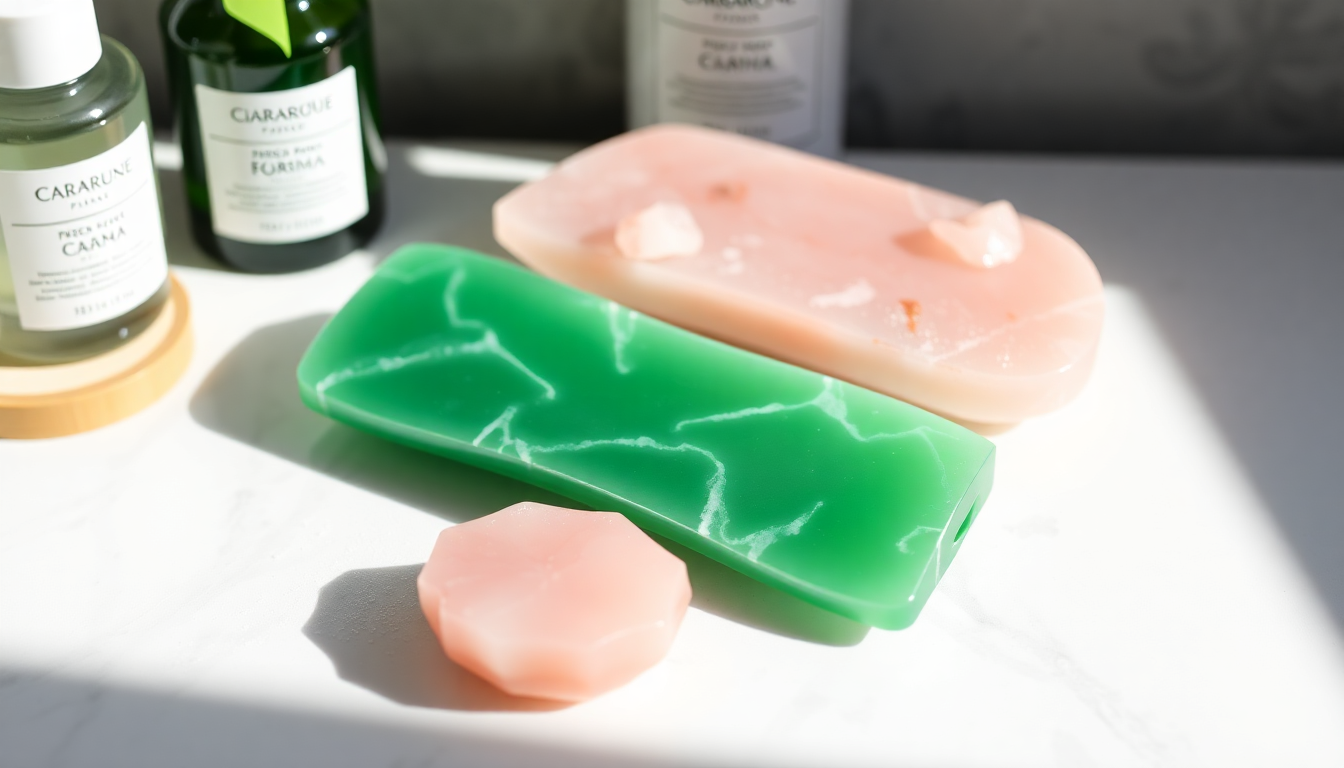
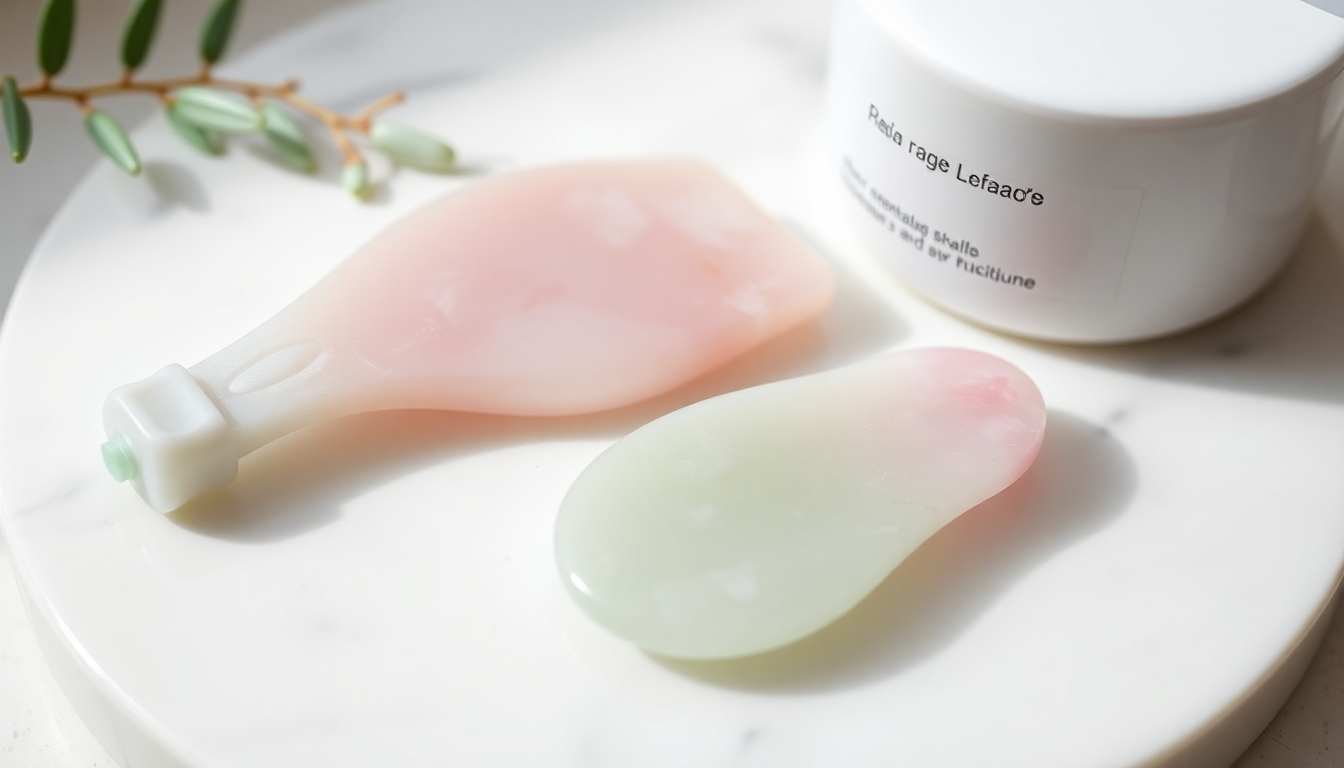
Jade Gua Sha — Typically nephrite jade. Pros: durable, naturally cooling, classic contour that glides well along the jawline and neck. Cons: heavier; color variations may occur. Best for daily use with a gentle touch.

-
Rose Quartz Gua Sha — Soft, translucent pink stone. Pros: exceptionally smooth surface, soothing feel for sensitive skin, generally lighter. Cons: can accumulate micro-scratches if not cared for properly. Excellent for uplifting facial lymphatic drainage with a luxurious feel.

-
Bian Stone (He Shou Shan) — Traditional Chinese stone with a slightly different texture. Pros: natural heat conduction when warmed, great for larger areas like the neck and décolletage. Cons: less commonly available in some markets; requires careful cleaning. Useful for deeper lymphatic work when warmed.

-
Stainless Steel/Metal Tools — Modern metal options can provide a cooler, ultra-smooth glide. Pros: long-lasting, easy to sanitize. Cons: can feel very cold initially and may be less forgiving on sensitive skin if used with excessive pressure.

When it comes to gua sha tool, material matters for glide, cooling, and how your skin responds. Explore premium options that balance weight, edge shape, and smoothness to support facial lymphatic drainage.
How to Choose the Right Tool for Your Skin
Follow these criteria to select a tool that aligns with your skin type and routine. A well-chosen tool can enhance glide, pressure control, and overall comfort during lymphatic drainage sessions.
- Skin sensitivity: Softer stones (rose quartz) tend to feel gentler on sensitive or reactive skin; if you have firmer neck tissue or broader lines, jade or bian stone may offer more sustained contact.
- Maintenance: Clean all stones after use with mild soap and water; avoid harsh chemicals. Dry thoroughly to prevent moisture buildup and bacteria growth.
- Edge design: Choose a tool with smooth edges and a comfortable handle. Some tools have ridged edges for contouring—use these with caution on delicate areas.
- Density and weight: A slightly heavier tool can feel more stable during longer passes, but too heavy an option may cause fatigue. Find your comfort zone.
- Frequency: Start with 3–4 sessions per week, 5–10 minutes each, and adjust based on how your skin responds.
For more options, a high-quality jade gua sha tool or rose quartz gua sha tool can be a worthy investment for daily use and longevity.
Expanded Step-by-Step Hand Techniques for Facial Lymphatic Drainage
Practicing with clean hands and a lightweight facial oil or serum ensures the tool glides smoothly while protecting the skin barrier. Below is a more detailed sequence with tips to refine pressure control and stroke direction. Adjust pressure to your comfort level; the goal is gentle contact and steady, upward movements along lymph pathways.
Begin with a clean face and warm hands. Apply a thin layer of facial oil or serum so the gua sha tool can glide without pulling the skin. This creates a protective barrier and reduces friction. 
Start at the center of the neck just below the jawline. Glide the tool downward along the neck in smooth, long passes toward the collarbone to encourage drainage. Use 6–8 passes per side, maintaining a gentle, consistent pressure.
Tip: Use a slightly longer stroke on the neck to help move lymphatic fluid toward the clavicles.Use the rounded edge near the chin, sweeping from the center of the chin outward along the jawline toward the ear. Lightly press to avoid pulling the skin. Repeat 6–8 passes on each side. 
Position the tool vertically under the cheekbone and glide outward toward the temple. Use gentle pressure and repeat 6–8 times on each cheek. For a more lifted effect, finish with a small, micro-sweeping motion along the upper cheek toward the temple. Use the smallest, most delicate edge to sweep from the inner corner of the eye toward the temple. Do not apply heavy pressure in the eye area. 
Lightly glide from the inner brow toward the temple to help release tension in the forehead and brow area. This can help reduce migraine-like pressure for some people. Start at the center of the forehead and glide outward toward the temples. Use a light touch to avoid pulling at the skin. Repeat 6–8 times. Use the edge near the nostrils to sweep upward along the sides of the nose toward the inner eye corner to help reduce tension around the nasal passages. Finish with a few longer sweeps from the jawline down the neck to promote final drainage toward the décolletage. 
Post-session care: pat the skin lightly, apply a gentle moisturizer, and consider a hydrating mask a few times a week to support moisture retention after drainage work. Gua sha tool and your favorite serum can seal in moisture and maximize lift over time.
Best Practices, Safety, and Common Mistakes
Maximize benefits by avoiding common missteps. A mindful approach reduces irritation and enhances results.
- Pressure and technique: Use light to medium pressure; you shouldn’t see red marks or feel bruising. Excessive pressure can irritate the skin and counteract results. Let the lymphatic flow guide the pressure, not brute force.
- Frequency and rest days: Overdoing gua sha can irritate the skin. Allow time for recovery between sessions, especially if you notice redness or sensitivity.
- Hygiene: Always clean tools after use and dry thoroughly to prevent bacterial growth. Store in a clean, dry space.
- Product layering: Use a lightweight serum or oil to facilitate glide; avoid heavy occlusives directly under the tool, which can impede glide and poke at the surface of the skin.
- Edge care: Inspect tool edges for nicks or rough spots. A damaged edge can irritate the skin. If you see wear, consider replacing the tool.
Safety Tips and Troubleshooting
If you have sensitive skin or a recent cosmetic procedure, adjust your practice accordingly. Start with 1–2 sessions per week and monitor how your skin responds. If you notice persistent redness, swelling, or irritation, pause and consult a dermatologist.
FAQ Expanded
- Does gua sha really work for lymphatic drainage?
- Many users report reduced puffiness and a brighter complexion after consistent use. The mechanism involves improved lymphatic flow and relaxed facial tissues. Results vary by individual and consistency.
- Can gua sha replace professional facial massage?
- Gua sha complements professional treatments but is not a full replacement. Regular practice can enhance results between sessions and help maintain a refreshed look.
- Which material is best for sensitive skin?
- Rose quartz is often preferred for sensitive skin due to its gentle texture, but jade or other smooth stones can work well with a lighter touch and proper technique.
- How often should I use gua sha?
- Begin with 2–3 times per week and adjust based on skin response. Some users include a light daily routine, while others prefer 2–3 sessions per week for balance.
- What about cleansing after gua sha?
- cleanse the skin with a gentle cleanser to remove oils, then apply moisturizer to seal hydration. Avoid rubbing the skin aggressively after gua sha sessions.
Integrating Gua Sha with Other Skincare Rituals
Gua sha works best when integrated into a holistic skincare routine. Consider the following order for max results:
- Cleanse to remove impurities and prep the skin
- Light exfoliation 1–2 times per week (if your skin tolerates it)
- Serums or essences to address targeted concerns
- Gua sha technique for lymphatic drainage (as detailed above)
- Moisturizer or facial oil to seal hydration
- SPF during the day to protect treated skin
Long-Term Benefits: What to Expect Over Weeks
With consistent practice, you may notice less facial puffiness, improved cheekbone definition, and a more even complexion. Lymphatic drainage can support toxin removal and reduce fluid retention, which may contribute to a brighter, more rested appearance. Remember, changes occur gradually and vary by individual, skin type, and lifestyle factors such as sleep and hydration.
Travel and On-the-Go Routines
Travel can disrupt skincare routines, but gua sha can be a compact, efficient update to your regimen. Here are travel-friendly tips:
- Pack a small, flat gua sha tool and a travel-size facial oil or serum
- Perform a 5–8 minute routine in the morning or evening, focusing on the neck, cheeks, and jawline
- Maintain hygiene by cleaning the tool with antibacterial wipes when water access is limited
Shop Lov a Body: Premium Gua Sha Tools and Accessories
This article includes sponsor links to Lov a Body, a brand offering a curated range of premium gua sha tools including jade gua sha tool and rose quartz gua sha tool. These tools are designed to glide smoothly for facial lymphatic drainage and to provide a spa-like experience at home.
Ready to upgrade your toolkit? Explore Lov a Body’s collection of high-quality gua sha tools and skincare accessories. Sponsored by Lov a Body.
For readers ready to elevate their routine, Lov a Body offers exclusive savings. Use code RADIANT2026 at checkout for a special offer on your first purchase. Shop Lov a Body now.
Illustrations, Visuals, and Alt Text Notes
Throughout this article, illustrations and product images are included to illustrate technique, tool types, and routine flow. Each image includes descriptive alt text to support accessibility and SEO. Example alt texts include: Jade gua sha tool resting on a serene setup; Rose quartz gua sha tool with soft lighting; Gua sha motion from chin to jawline; Final neck drainage strokes; Hands applying skincare oil before gua sha.
Conclusion
Gua sha for facial lymphatic drainage is a simple, accessible practice that can support a radiant, long-lasting glow when done with the right tool and technique. By choosing a tool that matches your skin type and following a consistent, step-by-step routine, you can enjoy improved contour, reduced puffiness, and a more even complexion. Remember to be gentle, maintain hygiene, and pair your gua sha work with quality skincare products for best results. With ongoing use and mindful technique, you may experience a notable enhancement in skin clarity, tone, and vitality.

Dejar un comentario
Este sitio está protegido por hCaptcha y se aplican la Política de privacidad de hCaptcha y los Términos del servicio.