
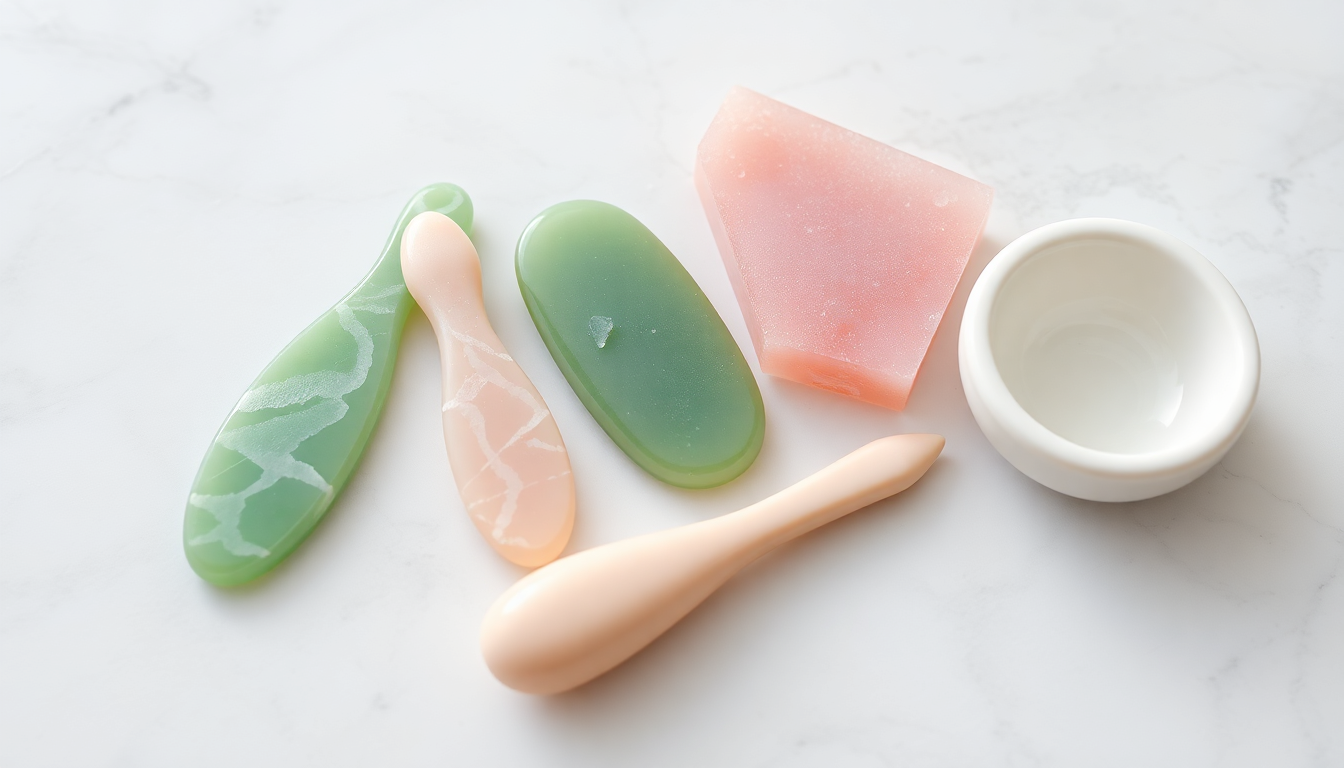
Healthy skin is more than surface texture; it reflects how well facial tissues drain and renew themselves. Gua sha has surged in popularity as a simple, at‑home practice that may support facial lymphatic drainage, reduce puffiness, and promote a refreshed complexion. This science‑backed guide dives into how gua sha works, compares the three most popular tool materials, and offers a practical framework to help you choose the best option for your goals. By understanding the nuances of jade, quartz, and ceramic gua sha, you can tailor a routine that supports your skin without overdoing it.
Understanding facial lymphatic drainage and why gua sha matters
The lymphatic system is the body’s fluid recycling network, essential for removing waste and excess fluid from tissues. When drainage is sluggish, you may notice under‑eye puffiness, a dull complexion, or slow recovery after late nights or workouts. Gua sha—a gentle scraping technique using a smooth stone—aims to improve microcirculation and lymphatic flow in the treated area. The result can be a more lifted appearance, brighter skin tone, and a sense of facial relief. While several small studies and clinical observations highlight improvements in circulation and edema reduction, large, long‑term randomized trials are limited. View gua sha as a complement to a broader skincare routine that emphasizes hydration, sun protection, sleep, and a balanced lifestyle.

Material matters: Jade, Quartz, and Ceramic
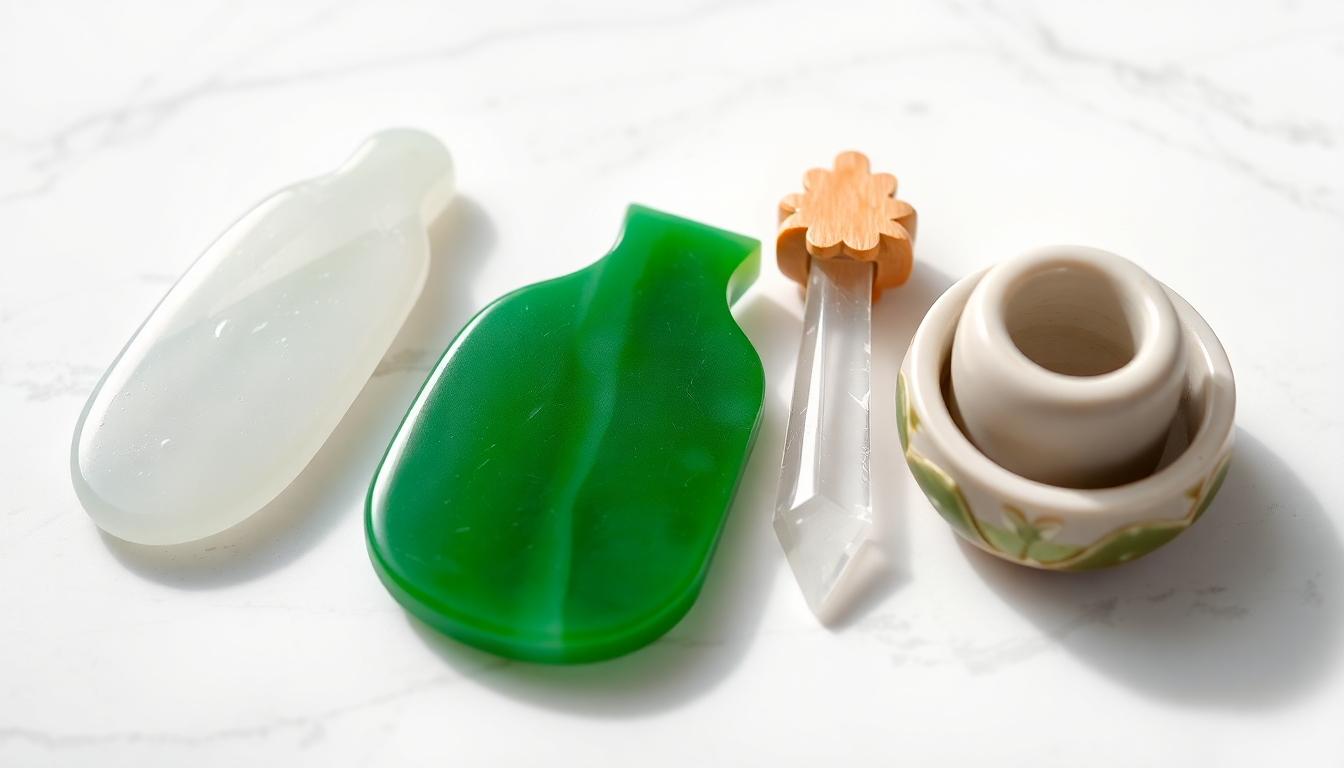
Three popular gua sha materials each offer distinct textures, cooling profiles, and maintenance needs. Here’s a practical overview to help you decide which might suit your routine:
- Jade: The classic choice with a cool, dense surface. Jade tools feel weighty, durable, and are widely available in various shapes. They’re often associated with traditional spa rituals and long‑term durability.
- Quartz: Rose quartz is common in gua sha sets, valued for its soft pink hue and a glide that many find gentle on the skin. Quartz tools tend to be lighter than jade and can offer a smoother finish depending on the grade and polishing. They’re typically mid‑range in price and easy to clean.
- Ceramic: Ceramic gua sha tools usually have an ultra‑smooth surface and a lighter feel. They can be budget‑friendly and are a good entry point for beginners, offering reliable results with proper technique.


Which tool should you choose?
Choosing the best gua sha tool depends on your skin, goals, and budget. Consider these factors as you decide which material to start with or diversify:
- Skin sensitivity: For reactive or easily irritated skin, a very smooth surface (high‑quality jade or quartz) with gentle pressure can minimize friction. Always perform a patch test on a small area first.
- Cooling vs warming sensation: Jade and quartz often feel cooler at contact, which may help with swelling. Ceramic can feel refreshing and light, but cooling effects depend on room temperature and whether you chill the tool.
- Maintenance: Regular cleaning after use is essential. Jade and quartz can be porous to some degree, so rinse with a gentle cleanser and dry thoroughly. Ceramic is typically easier to sanitize and less prone to staining.
- Budget and sets: If you’re new, a single versatile tool in ceramic or quartz can be affordable. For enthusiasts, a jade set with multiple shapes can offer more versatility for different facial zones.
- Glide quality: The finish of the stone and the tool edge influence how smoothly it glides. A well‑polished edge reduces drag and friction, which supports safer use for beginners.
Step‑by‑step guide to using gua sha for facial lymph drainage
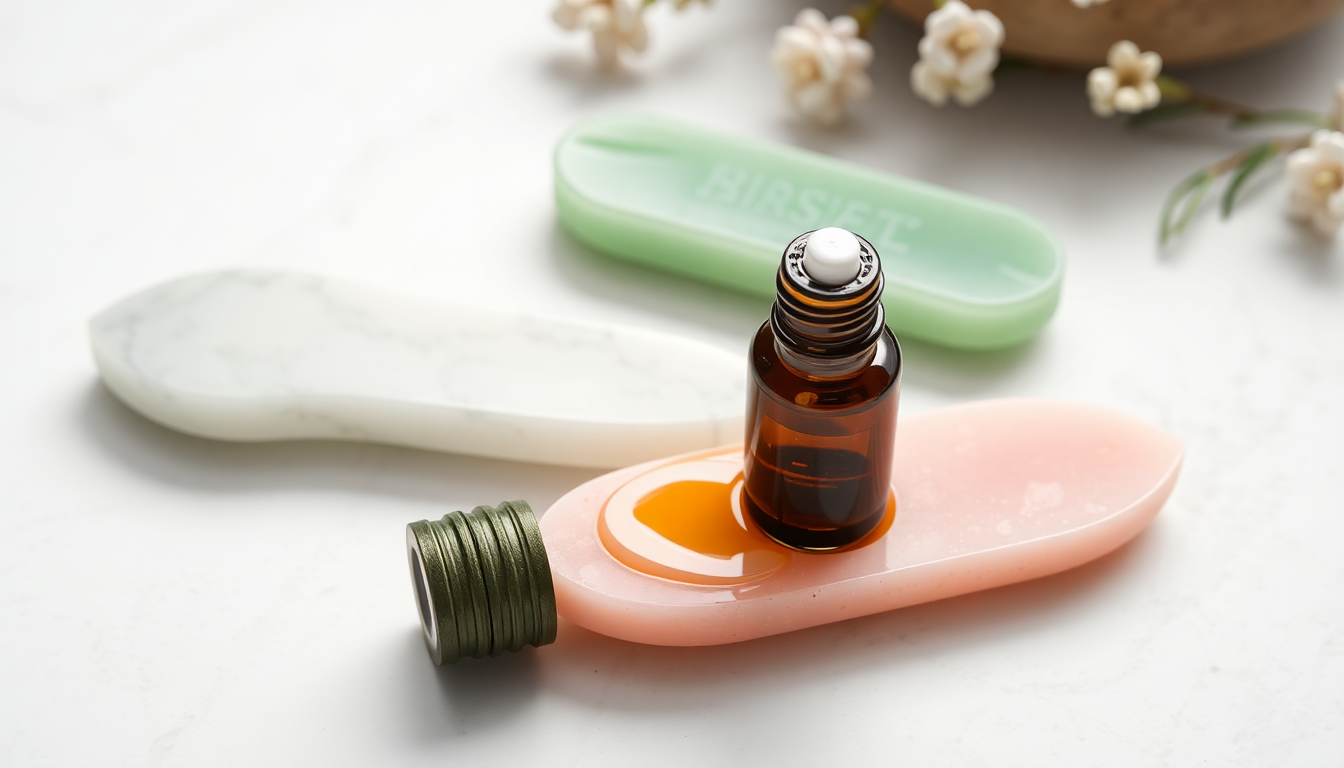
- prep: Apply a few drops of facial oil or serum to create a smooth glide and protect the skin. Do not use gua sha on dry skin.
- hold and angle: Hold the tool at about a 15–30 degree angle to the skin, with the curved edge guiding the stroke along the contours of the face.
- stroke directions: Move from the center of the face outward toward the ears and downward toward the neck to encourage drainage along lymph pathways.
- jawline and cheeks: Start at the center of the chin, glide along the jawline to the ears, then sweep outward along the cheekbones. Repeat for several passes on each area.
- under‑eye caution: Use very light pressure below the eye and avoid the inner corner. The orbital area is delicate and should be treated gently.
- routine length: A 5–10 minute routine is typical for most people, 2–5 times per week depending on skin tolerance and goals.
- aftercare: Follow with moisturizer and sunscreen in the daytime. Treating skin can increase sensitivity to UV, so sun protection is essential.
- cleaning: Cleanse the tool with mild soap and warm water, dry thoroughly, and store in a clean, dry place.
- tip for consistency: Keep a simple log of your routine and any changes in skin texture or puffiness to monitor progress over time.
Illustrative usage and technique visuals can be helpful, such as the tool placements shown in the accompanying images.

Myths vs science: what gua sha can and cannot do
- Myth: Gua sha detoxifies the body by removing toxins. Reality: There is no robust evidence that gua sha removes toxins; benefits are typically related to improved microcirculation and lymphatic drainage in the treated area.
- Myth: More pressure equals better results. Reality: Gentle, consistent strokes are more effective and safer, especially for beginners, than aggressive scraping.
- Myth: Any material will deliver the same results. Reality: Material, finish, and tool shape influence glide quality and user comfort, which affect consistency and outcomes.
- Myth: Gua sha should be used every day for best results. Reality: Most people benefit from a few sessions per week, with breaks to allow skin recovery; overuse can cause irritation or redness.
Expanding your toolkit: Shape and edge profiles
Beyond material, tool shape impacts how you navigate the face. Common shapes include teardrop, spoon, and curved edge designs. A larger, flatter edge can cover broader zones like the cheeks and forehead, while a smaller or angled edge is handy for around the nose and eye area. When selecting shapes, consider a set that allows you to switch between large and small edges for a balanced routine. For many users, a jade set that includes multiple shapes becomes a versatile long‑term investment.
Maintaining, cleaning, and safety
Proper care protects both your skin and your tool. Clean your gua sha after every use with a gentle cleanser and warm water. Dry thoroughly and store in a clean, dry place away from direct sunlight, heat, or humidity. If your tool is jade or quartz and starts to show micro‑cracks or uneven surfaces, discontinue use and replace. Avoid tapping the tool against hard surfaces, which can nick the edge and affect glide. If you have a skin condition or are pregnant, consult a clinician before beginning gua sha therapy.
Integrating gua sha with other skincare rituals
Gua sha works best when combined with a thoughtful skincare routine. Use it after cleansing or exfoliating and before heavier products. Pair gua sha with serums that target hydration, brightness, or barrier support. The gentle massage can help product penetration in the superficial layers of the skin. Always finish with broad‑spectrum sunscreen in the daytime, as gua sha can temporarily increase skin sensitivity to UV rays.
Illustrations and practical examples
Visual guides can help you place strokes correctly and optimize lymph drainage. The images below illustrate a balanced, massage‑friendly approach to facial gua sha and lymph drainage:


Where to buy high‑quality gua sha tools
If you are looking for premium options to match your skincare goals, consider exploring curated sets that include jade, quartz, and ceramic options. For a trusted source of quality tools, you can visit the official shop pages on lova-body.com.
Explore options such as jade gua sha tool, rose quartz gua sha, or ceramic gua sha set to find the right fit for your routine. These are affiliate links that support the creation of helpful content while giving you access to curated kits designed for facial lymphatic drainage.
Ready to upgrade your routine? Explore the products at lova-body.com to shop high‑quality jade, quartz, and ceramic gua sha tools designed for facial lymphatic drainage. Whether you prefer the classic look of a jade gua sha tool or the soothing aesthetics of a rose quartz gua sha, LovA Body offers options crafted for performance, safety, and style. Shop now and elevate your at‑home routine with tools built to support your skin goals.
Disclosure: This article contains sponsored links to lova-body.com. Any purchases made through these links may provide a small commission to support this site. The content remains independent and aims to help you make informed skincare choices.
Frequently asked questions
- Does gua sha really work? Evidence suggests potential short‑term improvements in microcirculation and puffiness, but results vary. Consistency and correct technique are key.
- How often should I use gua sha? Start with 2–3 times per week and adjust based on your skin’s response. Daily use is not necessary for most people.
- Can I use gua sha on sensitive skin? Yes, with a very smooth edge and light pressure. Along with a compatible oil or serum, this minimizes friction and irritation.
- Which tool material is best for beginners? Ceramic or quartz often offer a forgiving glide. Jade is durable and traditional but can be heavier to handle for some users.
In summary, gua sha can be a supportive addition to a comprehensive skincare routine focused on hydration, protection, and gentle massage. The choice between jade, quartz, and ceramic depends on your skin sensitivity, glide preference, and budget. When used correctly, gua sha may help you feel more refreshed and support a brighter complexion over time.
If you want to explore premium options that align with this guide, consider visiting lova-body.com to discover jade, rose quartz, and ceramic gua sha tools designed for facial lymphatic drainage. Using the right tool can make the practice more enjoyable, consistent, and effective.

Laisser un commentaire
Ce site est protégé par hCaptcha, et la Politique de confidentialité et les Conditions de service de hCaptcha s’appliquent.