
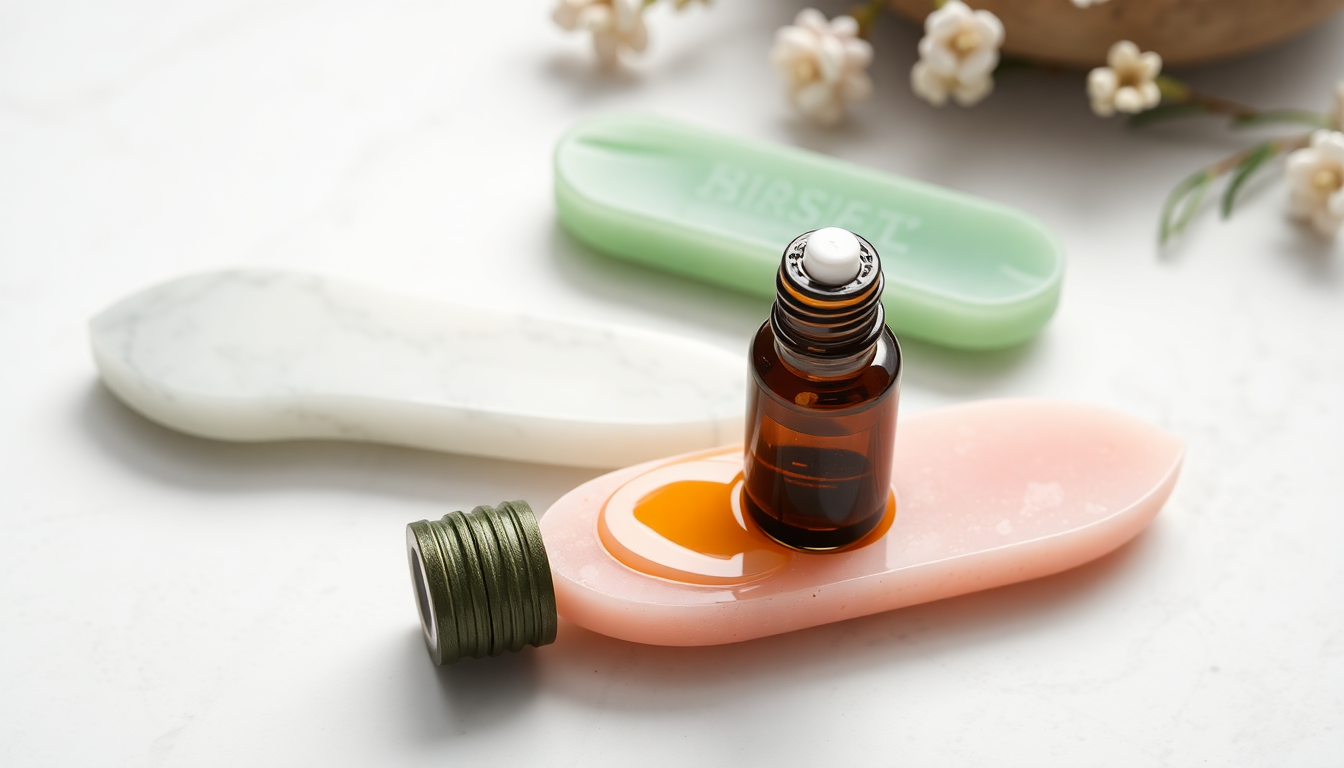
Gua Sha has surged in popularity as a noninvasive method to support lymphatic drainage and enhance skin vitality. This comprehensive guide dives deep into tool materials, technique variations, and the visible transformations users report. Whether you are just starting out or you want to refine an established routine, the aim is to help you practice safely, consistently, and with measurable results.
Understanding Lymphatic Drainage and Why Gua Sha Works
The lymphatic system is a network that helps remove waste, toxins, and excess fluids from the face and body. Gentle gua sha strokes encourage lymph to flow toward the lymph nodes along the neck and collarbone, which can reduce puffiness, improve product absorption, and support a brighter complexion. It is not a replacement for medical treatment, but when used correctly, gua sha can be a soothing addition to a skincare routine.
Tool Materials: In-Depth Guide to What Makes a Great Gua Sha Tool
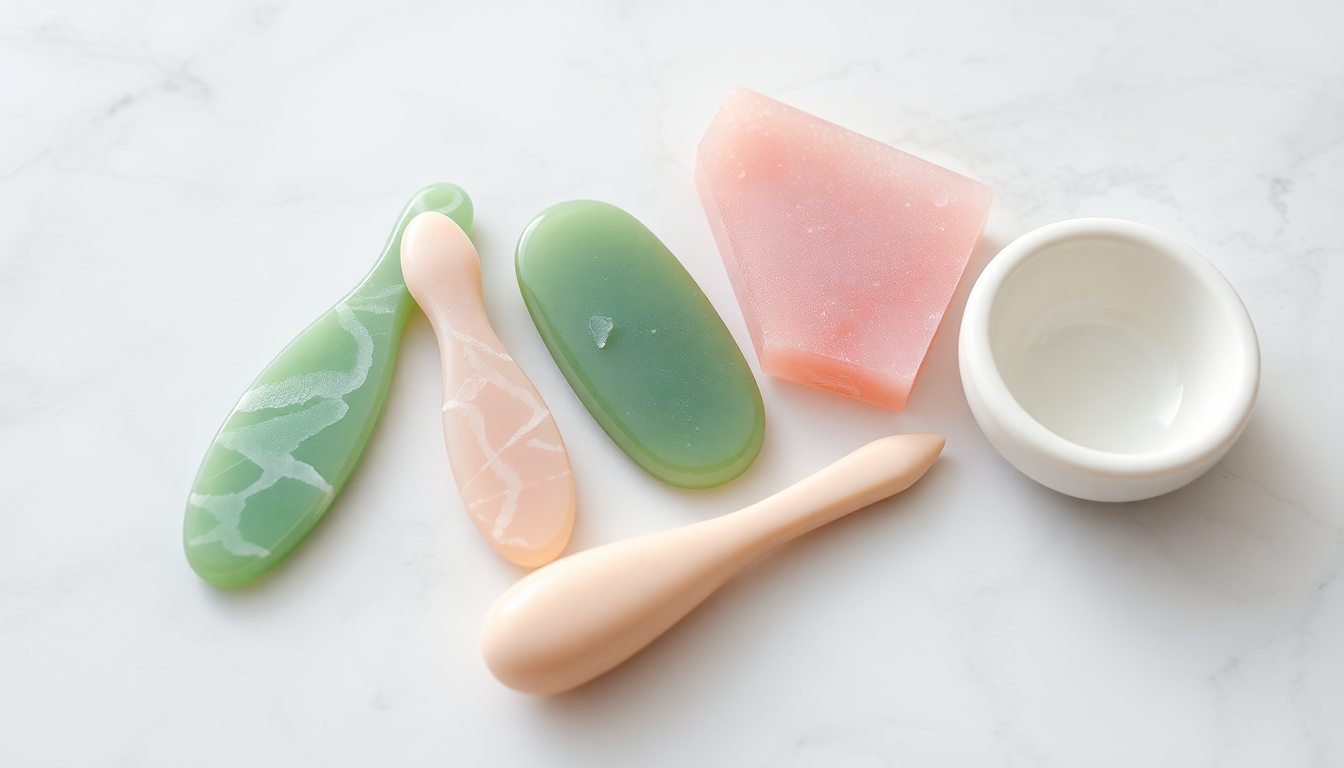
- Jade is traditional and prized for its cool, smooth glide and cooling sensation, which many users associate with anti-inflammatory effects.
- Rose Quartz offers a gentle touch with a delicate color aesthetic and a slightly softer feel that some find more forgiving for sensitive skin.
- Basalt is a denser stone that retains coolness well and can be effective for deeper facial drainage when used with light pressure.
- Metal and Other Materials (such as stainless steel or synthetic composites) can provide different glide dynamics and shapes. However, be mindful of surface smoothness and avoid tools with rough patches that can irritate skin.
- Quality cues include a uniformly smooth surface, well-rounded edges, no cracks or divots, and a balanced weight that feels comfortable in your hand.
- Maintenance requires regular cleansing with mild soap and water, thorough drying, and occasional sanitizing to keep your tool in top condition. Avoid sharing tools to prevent transfer of bacteria.
- For a curated, ready-to-use selection, explore a jade gua sha tool collection at jade gua sha tool collection.
Choosing the Right Tool for Your Routine
- Assess skin type and treatment goals: do you want soothing coolness for sensitive skin, or a firmer feel for more defined contours?
- Evaluate shape and edges: flat boards are ideal for broad areas; contoured or angled edges support the jawline, cheekbones, and around the eyes.
- Consider weight and grip: a comfortable tool reduces fatigue during longer sessions and maintains consistent pressure.
- Price and warranty: invest in a tool that offers a smooth surface and reputable construction to prevent microtears from rough edges.
- Care routine: plan for cleaning before and after use, avoiding shared tools, and storing in a dry, cool place to prevent bacterial growth.
- Try different materials over several weeks to understand how each feels on your skin and how your skin responds to the glide.
Technique Variations for Lymphatic Drainage: A Step-by-Step Guide
The core principle is light to moderate pressure with strokes that direct lymph flow toward the neck and collarbone. Always apply a generous amount of facial oil or serum to minimize friction and protect skin.
- Setup and prep: start with a clean face, apply a few drops of your favorite serum or facial oil, and take a minute to breathe and relax. A relaxed facial musculature supports more effective drainage.
- Basic facial routine: begin at the center of the chin; sweep along the jawline toward the ear; move to the cheek toward the temple; finish at the hairline. Repeat across the lower and mid-face for even drainage.
- Jawline and cheek definition: use the gua sha tool to lift gently along the jaw from the chin to the ear; sweep from the mid-cheek outward toward the temple to sculpt and reduce fullness.
- Under-eye safety: use extremely light pressure; glide from the inner corner toward the outer corner while staying on the orbital bone. Never press directly on the delicate under-eye tissue.
- Forehead and brow: place at the center of the forehead and glide outward toward the temples; repeat across the brow line to help relieve tension and support lymphatic flow.
- Neck and décolletage: begin at the base of the neck and sweep upward toward the jaw; move laterally toward the collarbone to route drainage away from the face.
- Sequence and rhythm: aim for a calm, continuous motion with light to moderate pressure. Build a short routine of 5–10 minutes that you can repeat in the morning or evening.
- Progressive routines: after a few weeks, you can add a second pass focusing on areas that tend to retain fluid, such as the jawline, cheeks, and neck.
Frequency, Timing, and Building an Effective Routine
Consistency matters more than intensity. Typical guidelines include:
- 3–5 minutes per session for the face, daily or several times per week.
- Pair gua sha with your skincare serum or oil to enhance glide and absorption.
- Schedule variations: consider a short morning routine to reduce puffiness or a longer evening session to support recovery and hydration overnight.
- For beginners, start with 2–3 sessions per week and gradually increase as comfort and technique improve.
Body Applications: Extending Gua Sha Beyond the Face
While most people focus on facial gua sha, some practitioners also use the same principles on the neck, décolletage, shoulders, and back to support broader lymphatic drainage. Use gentler strokes on larger areas and ensure you have adequate lubrication to prevent friction.
- Neck and décolletage: begin at the base of the neck and move upward toward the jaw; follow with lateral sweeps toward the collarbone.
- Shoulders and upper back: small, controlled strokes can help relieve stiffness and support drainage from the upper torso toward the lymph nodes near the collarbone.
- Body caution: avoid broken skin, active acne lesions, or areas with inflammation. Stick to clean, smooth skin for the best glide and safety.
Visible Skin Transformations: What Real-World Results Look Like
With regular practice, many users report a range of visible improvements. Individual results vary based on skin condition, lifestyle, hydration, and tool quality.
- Reduced morning puffiness and a smoother facial texture as lymph flow normalizes and product absorption improves.
- Improved contour definition along the jawline and cheek areas, especially when combined with targeted skincare.
- Brighter, more even skin tone due to enhanced microcirculation and nutrient delivery.
- Product efficacy increases: serums and moisturizers absorb more effectively when lymphatic drainage is supported.
Illustrations and Visual Aids: How to Visualize the Process
Clear visuals can help you master technique. The following illustrations demonstrate tool positions, stroke directions, and key anatomical landmarks:
Common Mistakes and Safety Tips: Do's and Don'ts
- Too much pressure can irritate skin and cause microtrauma. Use a light, gliding motion.
- Scraping delicate areas, especially around the eyes. Protect this sensitive zone.
- Using dull edges or rough surfaces can cause micro-abrasions. Inspect tools regularly and replace when needed.
- Not cleansing the tool after use can transfer bacteria. Clean with mild soap and water or an approved sanitizing wipe.
- Neglecting lubrication can increase friction and skin irritation. Always apply a suitable serum or oil before gua sha.
Safety, Contraindications, and Precautions
Gua Sha is generally safe for most people, but certain conditions require caution or avoidance. If you have active skin infections, open wounds, recent facial surgery, rosacea with flushing, or a history of keloids, consult with a healthcare professional before using gua sha. If you experience persistent redness or discomfort after sessions, discontinue use and reassess pressure and technique.
Tool Care and Longevity: How to Maintain Your Investment
- Clean your tool after each use with a gentle cleanser and warm water. Pat dry with a clean towel.
- Store in a dry, dust-free container or pouch to protect the surface from scratches.
- Avoid exposing tools to extreme temperatures, which can cause cracking or warping.
- Inspect regularly for chips or cracks; replace if surface integrity is compromised to prevent skin injury.
Myths vs Facts: Setting the Record Straight
- Myth: Gua sha tightens skin dramatically overnight. Fact: Visible changes develop over weeks with consistent practice and proper technique.
- Myth: You must always use heavy pressure. Fact: Light to moderate pressure with smooth strokes is usually more effective and safer for most skin types.
- Myth: Any tool will do. Fact: The quality of the tool affects glide, safety, and the potential for microtrauma.
Skincare Rituals: Integrating Gua Sha Into Your Daily Regimen
To maximize results, pair gua sha with a consistent skincare routine. Consider layering hydrating serums, antioxidant serums, and moisturizers to support barrier function while enhancing glide. Use gua sha after cleansing and applying your first humectant or serum, then lock in moisture with a cream or oil.
SEO Considerations and Backlinks: Building Value for Readers
Strategic backlinks can enhance the reader experience while supporting search optimization. Throughout this guide, you’ll find references to curated tool selections and educational resources designed to add value. For a dedicated toolkit, explore gua sha tool collections and learn about materials, shapes, and best practices.
Shop Lovа Body: Practical Picks for Your Gua Sha Routine
To support your lymphatic skincare journey, explore Lovа Body products at lova-body.com. Their jade and rose quartz gua sha tools, natural facial oils, and skincare sets are designed to enhance glide and outcomes. This is sponsored content with partner links to Lovа Body.
Ready to buy? Visit Lovа Body to discover the best gua sha tool selections, including jade and rose quartz options, designed to boost lymphatic drainage and skin vitality: lova-body.com.
Frequently Asked Questions (FAQ)
- What does gua sha feel like?
- Most users describe a soothing, cool sensation with light pressure and a gentle glide. Some may notice mild redness that fades within a short time.
- How often should I use gua sha?
- Many people start with 2–3 sessions per week and adjust based on skin response and goals.
- Can gua sha replace other facial massage or tools?
- Gua sha can complement other techniques, but it is not a direct substitute for professional therapies or medical treatments when needed.
- Is gua sha safe for all ages?
- For adults with healthy skin, gua sha is generally safe when performed correctly. Those with sensitive skin, rosacea, or vascular conditions should proceed with caution or consult a professional.
Integrating Backlinks Ethically: Transparency and Reader Benefit
All sponsored or partner-linked content is disclosed to maintain trust and transparency with readers. The aim is to provide practical recommendations and direct you to high-quality tools that enhance your routine. If a link adds value and relevance, it can be a legitimate part of the content experience.
Closing Thoughts: Start Your Gentle Gua Sha Practice Today
With the right tool, gentle technique, and consistent practice, gua sha can become a supportive component of your skincare routine. Remember to prioritize skin safety, listen to your skin, and enjoy the process of refining your technique toward a healthier, more radiant complexion.

Laisser un commentaire
Ce site est protégé par hCaptcha, et la Politique de confidentialité et les Conditions de service de hCaptcha s’appliquent.