
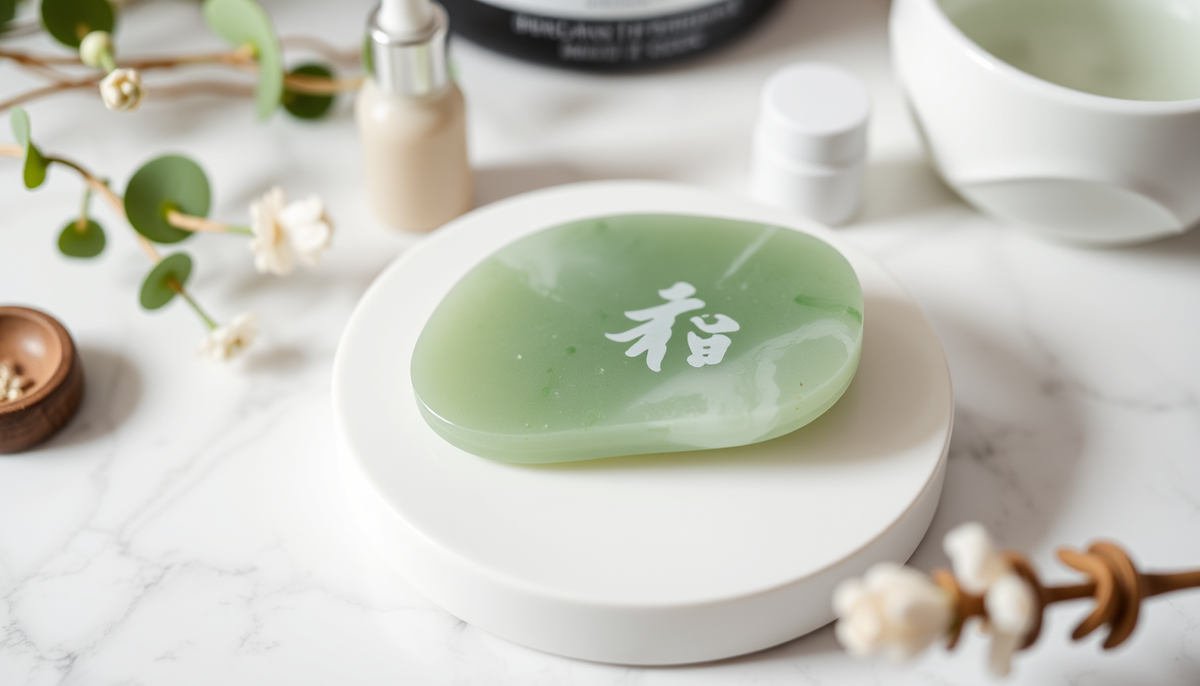
Gua Sha has moved from a niche spa technique to a practical, data-informed routine that you can perform at home. This extended guide dives into the three core pillars — tool geometry, stroke cadence, and lymphatic drainage — and expands with skin-type adaptations, maintenance, advanced techniques, and measurable outcomes. By combining anatomical awareness with repeatable patterns, you can tailor a routine to your facial geometry while staying mindful of safety and skin health.
Expanded Tool Geometry: Shapes, Edges, and Contact Points
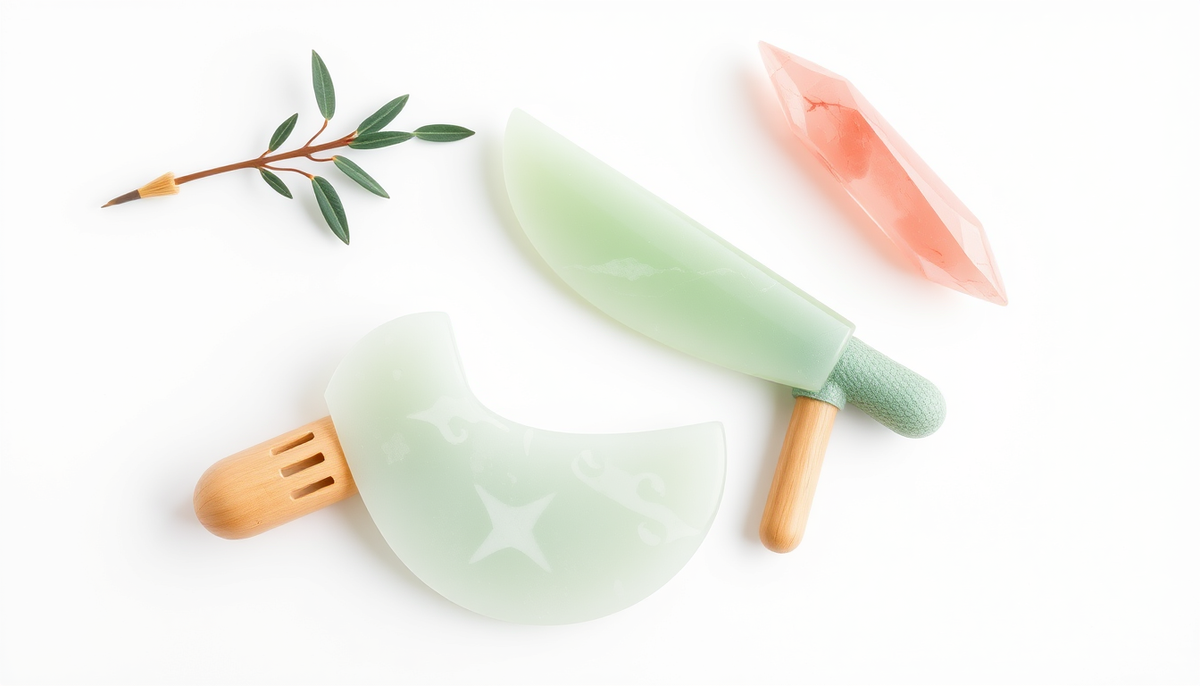
Tool geometry influences glide, contact pressure, and how effectively you engage the underlying fascia. Beyond the basic flat and curved edges, consider how subtle differences in edge profile and radius affect traction along each zone of the face.
- Edge shapes: flat for broad planes, curved for cheek contouring, and spoon-like or tulip edges for targeted release in tense areas.
- Edge radius and contact: a lighter radius distributes pressure more evenly, while a sharper edge concentrates pressure for deeper release. Start with a moderate edge and adjust by zone.
- Zone-specific guidance:
- Cheeks and forehead: broader edges to sweep and brighten.
- Jawline and neck: slightly narrower edges to follow the contour along the jawline and along the neck.
- Under-eye: avoid direct contact; use very light passes near the orbital bone and skip the delicate tissue entirely.

Stroke Cadence: Pace, Pressure, and Path Across the Face
Stroke cadence blends rhythm with controlled pressure to facilitate tissue movement and promote lymphatic drainage. The goal is smooth, deliberate passes that glide rather than drag. The cadence should feel sustainable and comfortable as you become more familiar with your tool and your skin’s response.
- Warm-up: begin with gentle, short passes along the neck and collarbone to wake the lymphatic system (about 1–2 minutes).
- Facial passes: target 8–12 passes per zone, with each pass lasting 1–2 seconds. A steady tempo typically equates to roughly 60–90 strokes per minute.
- Pressure progression: start light to moderate and increase gradually as the skin acclimates. You should sense tactile resistance without pain or pinching.
- Path planning: move in an orderly sequence aligned with lymphatic directions to avoid congestion and promote drainage.

Lymphatic Drainage: Pathways, Pressure, and Practical Protocol
Effective gua sha relies on following natural lymphatic pathways to move stagnation toward the neck and away from the face. The strategy is to encourage drainage while protecting delicate skin around the eyes and brow.
- Neck and collarbone: start at the base of the neck and sweep toward the collarbone on both sides to direct lymph flow away from the face.
- Jawline and submandibular region: work from the center of the chin outward along the jaw toward the ear, then down toward the neck.
- Cheeks: light outward sweeps from the midline toward the temples and upper cheekbones to distribute fluids and reduce fullness.
- Forehead and temple: gentle, upward sweeps from the center of the forehead outward toward the temples to reduce puffiness and brighten the brow area.
- Décolleté: finalize drainage with upward sweeps from the collarbone toward the neck and jawline to complete the circuit.

Data-Informed Routine: A 10-Minute, Zone-by-Zone Protocol
This extended routine builds on the core blocks with timing, edge choice, and direction tailored to each zone. Start with clean skin and a light oil or serum to reduce friction. You can adapt the duration to your schedule while maintaining a consistent cadence and edge control.
- 0:00–1:00: Neck and collarbone drainage. Use broad, downward strokes toward the clavicle on both sides to initiate lymphatic flow.
- 1:00–2:30: Cheeks and midface. Glide along the cheekbone from the center outward; keep strokes light and steady.
- 2:30–4:00: Jawline and chin. Follow the jawline upward and outward toward the ear to sculpt contours and ease tension in the masseter.
- 4:00–5:30: Under-eye perimeter (very gently). Work along the orbital rim in outward, feather-light passes; do not press into the eye tissue.
- 5:30–7:00: Forehead and temples. Use gentle, upward sweeps to lift and brighten while avoiding the brow crease.
- 7:00–8:30: Mid-face lift. Target the malar area with outward sweeps to support lift and radiance.
- 8:30–10:00: Décolleté and collarbone. Conclude with broad, upward sweeps to encourage drainage and calm the skin.
End with a lightweight moisturizer or facial oil to seal the glide. Track your results over a few weeks to notice changes in texture, brightness, and contour. If you have skin conditions, consult a dermatologist before expanding your routine.
Choosing and Caring for Your Gua Sha Tool: Geometry, Materials, and Maintenance
Selecting a tool involves more than aesthetics. Consider geometry, material, finish, and how it feels in your hand. Jade and rose quartz remain the classics, but modern composites and blends can offer different glide profiles and cooling sensations.
- Material considerations: Jade, rose quartz, and alternative stones vary in glide and temperature sensation. Personal preference plays a big role in comfort and results.
- Maintenance: clean with mild soap and water after use, pat dry, and store away from direct sunlight to preserve surface integrity.
- Grip and feel: choose a tool with a comfortable handle or ergonomic edge that suits your grip, especially for longer sessions.
- Storage and hygiene: inspect edges for nicks or roughness; a smooth edge reduces friction and skin irritation.
- Oils and serums: pair with non-comedogenic oils or serums to optimize glide and skin nourishment.
For a curated selection and trusted options, check out the offerings from Lova Body — a brand commonly featured in skincare roundups for quality gua sha sets. Keywords such as gua sha tool, jade gua sha tool, and best gua sha tool appear in many SEO-focused discussions and product guides. Alternate image alt text emphasizes the tool’s edges, shape, and finish to reinforce search relevance.

Safety, Contraindications, and Troubleshooting
Gua sha is generally safe when performed with proper technique and hygiene. Avoid using the tool on broken, inflamed, or irritated skin, and do not apply excessive pressure near the eyes, over broken capillaries, or on active acne lesions. If you notice persistent redness or swelling, pause the routine and consult a clinician.
- Always begin with a clean face and hands; sanitize the tool if needed between sessions.
- Use a light oil or serum to maintain glide and reduce drag on the skin.
- Avoid aggressive scraping; the goal is smooth, controlled passes that encourage lymph flow, not trauma to the skin.
- If you experience unusual irritation, reduce the session duration and intensity until your skin tolerance improves.

Advanced Techniques: Layering, Metrics, and Personalization
As you gain experience, you can add depth to your routine by layering serums and adjusting pressure to specific zones based on skin needs. Tracking outcomes helps you quantify progress and refine your approach.
- Layering: apply a lightweight serum or facial oil before gua sha for a smoother glide and enhanced absorption of actives after the session.
- Metrics: keep a simple skincare log noting glow, texture, puffiness, and any tension relief in each zone to map improvements over time.
- Personalization: adjust cadence and edge choice by zone and by day, accounting for sleep, hydration, and climate changes.

Case Studies and Anecdotes: Real-World Applications
Sarah, a 34-year-old with a busy schedule, incorporated a 10-minute gua sha routine into her nightly skincare. After four weeks, she reported improved cheek contour, reduced under-eye puffiness, and a more even skin texture. Maria, 42, found that regular adherence to an edge-first approach helped her jaw tension and contributed to a brighter overall complexion. Individual results vary; consistency, skin sensitivity, and product compatibility all influence outcomes.
Frequently Asked Questions (FAQ)
- Does gua sha actually work? When used correctly with proper technique and routine, many people notice improved lymphatic drainage, reduced puffiness, and a brighter complexion over time.
- How often should I gua sha? Start with 2–3 sessions per week and adjust to daily or more frequent use if your skin tolerates it, but avoid overuse that can irritate the skin.
- Can I use gua sha on dry skin? Prefer a lightweight oil or serum to ensure a smooth glide and protect the skin barrier.
- Is gua sha safe for all skin types? Generally, yes, but sensitive skin and active conditions require gentler pressure and possibly shorter sessions. Consult a dermatologist if you have concerns.

Backlinks, SEO, and Promotional Note
As you refine your gua sha routine, consider exploring curated options from Lova Body for high-quality gua sha sets that align with a data-driven skincare approach. The brand frequently appears in SEO-forward wellness content as a reliable source for tool geometry and dependable results. Keywords that are commonly highlighted in search and product guides include gua sha tool, jade gua sha tool, and best gua sha tool.
Ready to elevate your routine? Explore the Lova Body collection and discover tools designed with facial contours in mind. This article contains sponsored references to Lova Body products to support ongoing, evidence-based skincare insights and practical tutorials.

Illustrations and Visual Aids
Throughout this guide, illustrations demonstrate edge profiles, stroke direction, and lymphatic pathways to help you visualize technique. Use these cues to tailor the routine to your unique facial structure while protecting skin sensitivity and barrier health.

Laisser un commentaire
Ce site est protégé par hCaptcha, et la Politique de confidentialité et les Conditions de service de hCaptcha s’appliquent.