
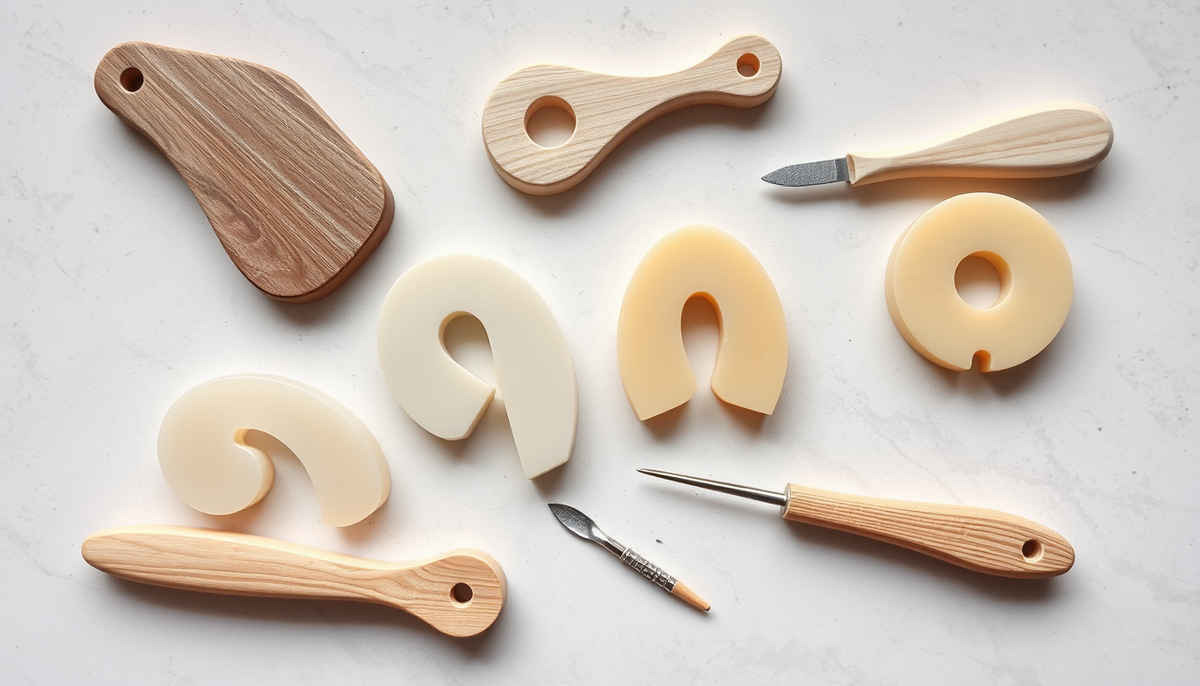
Gua Sha is more than a ritual; it’s a design language for your skincare routine. When you combine purposeful tool geometry with a mindful cadence, and you couple that with facial lymphatic drainage, you can amplify radiance, reduce puffiness, and support a more luminous complexion. This comprehensive guide expands on the practical mechanics behind tool shapes, motion cadence, and drainage pathways so you can practice with intention, safety, and measurable results. Written for both newcomers and seasoned practitioners, it walks you through the science, the feel, and the craft of gua sha in 2026 and beyond.
Understanding Tool Geometry: Shape, Edges, and Glide
The geometry of a gua sha tool determines how it contacts the skin, how easily it glides, and how it engages deeper tissues. Different shapes serve different purposes, and recognizing these nuances helps you tailor your routine to your skin’s needs. In practice, the right geometry can reduce drag, protect the epidermis, and optimize contact over critical contours like the jawline, cheekbones, and brows.
- Edge curvature and radius: A larger radius creates a gentler glide for broad areas; a sharper edge concentrates contact for targeted zones such as along the jawline or under-eye circles.
- Bevel and thickness: A beveled edge reduces drag and protects the skin, while thickness influences leverage and control when treating delicate areas.
- Surface finish: Polished surfaces minimize drag for smoother sweeps; matte or textured finishes can alter grip, tactile feedback, and comfort in longer sessions.
- Material and thermal conductance: Jade, rose quartz, and metal offer distinct feels and heat transfer properties that can affect comfort and perceived efficacy.
- Handle orientation and balance: A well-balanced handle reduces fatigue and aligns your hand with the natural curves of the face, improving precision across zones.
Tip: When evaluating a tool, consider whether you’ll use it for broad sweeps on larger areas (cheeks, forehead) or for focused work along the jawline and beneath the cheekbone. A mixed toolkit often yields the most versatile results.
Cadence and Pressure: How to Glide for Results
Cadence refers to the timing and rhythm of each stroke, while pressure describes how firmly you contact the skin. The right combination supports safe, effective drainage and skin-friendly improvements over time. A mindful cadence helps you accumulate technique and confidence with every session.
- Pre-cleanse and prep: Start with a clean face and a hydrating serum or oil to reduce friction and improve glide.
- Tempo: Aim for steady, controlled passes rather than rapid, stiff swipes. Target roughly 1–2 seconds per stroke, with a gentle pull or push along natural contours.
- Pressure range: Use light to moderate pressure. The goal is tactile contact and smooth glide, not indentation or scraping.
- Direction strategy: Follow facial lymphatic pathways for drainage. Begin at the center of the face and move outward and downward toward the neck where lymph nodes reside.
- Coverage approach: Work in defined zones (forehead, each cheek, under eyes, nose, and perioral area) with 6–12 deliberate passes per zone, adjusting pressure for comfort and tolerance.
Illustration note: A balanced cadence across sessions supports cumulative improvements over weeks and months, especially when paired with consistent hydration and skin barrier support.
Facial Lymphatic Drainage: Pathways and Practical Protocol
Facial lymphatic drainage helps move excess fluids away from congested tissues, supporting a refreshed appearance and a naturally lifted look. Understanding key drainage pathways improves safety, reduces the risk of over-pulling tissue, and enhances outcomes when using gua sha tools.
- Forehead to temples: Gentle, outward sweeps from the brows toward the temples promote drainage from central zones.
- Under-eye and cheeks: Light, outward motions toward the temples and upward toward the hairline help reduce puffiness and dark circles when paired with sleep and hydration.
- Nasolabial to jawline: Sweep from the sides of the nose and lips toward the jawline, then downward toward the neck to encourage lymph flow away from congested areas.
- Jawline to neck: Finish with downward strokes along the jaw and along the neck toward the collarbone to support drainage and a sculpted silhouette.
Guided practice tip: Keep sessions brief (about 5–10 minutes) and consistent. If you feel discomfort, ease off and reassess your technique, pressure, and the tool geometry you’re using.
Choosing the Right Gua Sha Tool for Your Skin
There isn’t a one-size-fits-all tool. Your choice should align with your skin type, preferred pressure, and the areas you treat most often. Consider not just aesthetics but also how the tool will perform over time with cleaning, storage, and routine care.
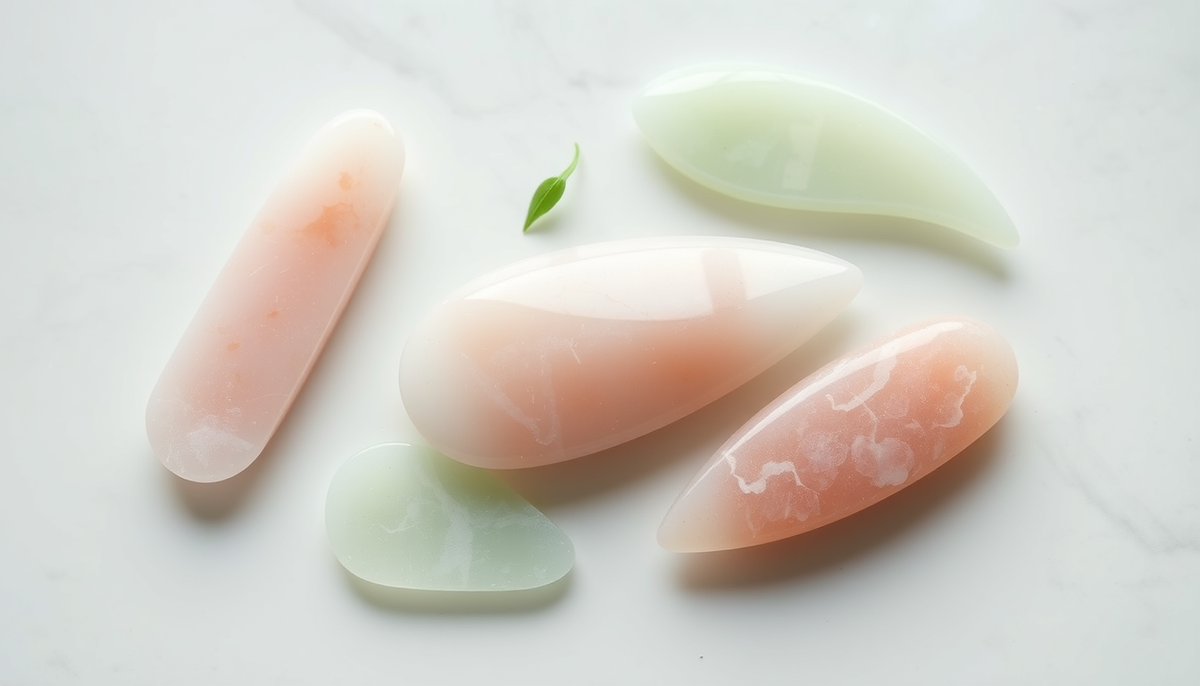
- Material: Jade and rose quartz are common; metal tools offer a different glide and heat transfer profile, which may affect comfort and results in warmer climates.
- Shape variety: Crescent edges, spoon-like scoops, and curved ridges cater to distinct zones on the face and neck.
- Maintenance: Clean after every use, avoid harsh chemicals, and store in a clean, dry place to prevent bacterial buildup.
- Beginner-friendly picks: A smooth, rounded edge with a balanced handle helps beginners learn safe technique without fear of nicks or drag.
Deep Dive into Tool Shapes: What Each Shape Best Serves
Exploring shape can help you tailor your approach. Here are common profiles and their ideal applications:
- Flat or crescent edge: Great for broad sweeps across cheeks and forehead; smoother glide minimizes drag on sensitive skin.
- Heart or almond-shaped: Targets cheekbone and under-eye zones with a slightly more focused contact area.
- Spoon or scoop: Ideal for placing around the nasolabial folds and around the mouth to address subtle contours.
- Double-ended designs: Offer versatility in a single tool, allowing quick transitions between zones during a routine.
Tip: If you’re new, start with a single-edge tool that feels balanced in your hand, then gradually explore other shapes as you refine your technique.
Materials, Temperature, and Skin Sensitivity
Different materials impart distinct tactile experiences. Jade and rose quartz remain popular for their cooling feel and traditional associations, while metal tools can offer faster thermal conductivity and a brisk glide. Temperature matters: a cool tool can reduce swelling, while a slightly warmed tool (carefully, never hot) can enhance pliability of tissue and comfort in dry climates.
- Care: Rinse after use and dry thoroughly to prevent moisture-related odors or mold growth in storage cases.
- Sanitation: Avoid sharing tools to reduce risk of cross-contamination; sanitize with gentle soap or alcohol-based wipes between uses.
- Storage: Keep tools in a clean, dry area; consider a soft pouch to protect edges and prolong life of finishes.
Illustrations: Visual Guides to Geometry, Cadence, and Drainage
Visual references help translate theory into practice. The following diagrams illustrate how edge curvature aligns with facial contours, how cadence feels in motion, and how drainage pathways guide stroke direction.


Full-Body Considerations: Extending Gua Sha Beyond the Face
While this guide focuses on facial lymphatic drainage and facial refinement, the same principles apply to other non-invasive areas. Gentle, controlled strokes with appropriate tools can support overall contouring and wellbeing in neck, décolletage, and jawline regions when appropriate for your anatomy and comfort level.
FAQ: Does Gua Sha Work? Common Myths vs. Realities
- Does gua sha reduce puffiness? Many users report temporary smoothing and a more lifted appearance when technique, hydration, and oil or serum are in sync.
- How long before you see results? With consistent practice over several weeks, you may notice improvements in texture, tone, and radiance.
- Is gua sha safe for all skin types? When performed with clean tools, gentle pressure, and suitable serums/oils, gua sha is broadly well tolerated. If you have skin sensitivities or conditions, adjust pressure and consult a professional.
- Can I use gua sha daily? Short, mindful sessions a few times per week can be effective; daily use is possible for some, but ensure skin recovery time and barrier support.
Safety First: Contraindications and Best Practices
Gua sha should be practiced with respect for your skin’s barrier and underlying tissues. Avoid aggressive scraping, broken skin, active inflammation, or acne flares in the treated zones. Always cleanse your tool and hands, patch-test serums, and hydrate well to minimize friction and irritation.
Maintenance, Cleaning, and Storage
Cleanliness is essential for skin safety and tool longevity. Rinse with mild soap and water after each use, dry thoroughly, and store in a dry, dust-free environment. Periodically inspect edges for chips or roughness and replace tools if necessary to maintain a smooth glide.
Pairing Gua Sha with Skincare: Serums, Oils, and Barrier Support
Hydration and barrier support are important allies for gua sha results. Apply a hydrating serum or facial oil to create a smooth glide, and consider ingredients that support barrier repair—ceramides, fatty acids, and phyto-lats. The combination of glide with a well-chosen serum can enhance microcirculation without over-scraping sensitive tissue.
Illustrated Step-by-Step Routine: Beginner to Advanced
Here is a practical progression you can adapt. Begin with a 5–10 minute routine and gradually extend as comfort and technique improve. The goal is mindful, repeatable strokes with consistent pressure and coverage.
- Prep: Cleanse, apply a light serum or oil to reduce friction, and gather your tools.
- Forehead: Begin at the center, sweeping outward toward the temples with gentle pressure.
- Eye area: Use a small, light touch along the orbital bone; avoid direct pressure on the eyeball.
- Cheeks: Glide from the center of the cheek outward toward the hairline in upward motions.
- Nose and nasolabial folds: Use a curved edge to lift away from the nostrils toward the cheekbone.
- Jawline: Move from the chin toward the ear along the jawline, then down toward the neck for drainage.
- Under-eye: Gentle outward sweep toward the temples to address mild puffiness.
- Neck: Downward strokes from the jawline to the collarbone support drainage.
- Hydration check: Reapply a light serum if needed and finish with a gentle pat to set.
Advanced tips: For targeted contouring, combine multi-directional passes in the same zone, pause briefly between passes to check for comfort, and gradually increase coverage as your technique stabilizes.
SEO-Driven Backlinks and Affiliate Note
This article includes sponsored links to lova-body.com. If you’re exploring high-quality gua sha tools and skincare companions designed with thoughtful geometry and drainage in mind, consider exploring Lova Body’s jade and rose quartz kits and serums. For curated selections and educational content, visit Lova Body.
Shop the Lova Body Collection
Note: This article includes sponsored links to lova-body.com. If you’re curious to try high-quality tools designed for precise geometry and facial lymphatic drainage, explore Lova Body's jade and rose quartz gua sha kits and serums. This sponsorship supports creators while you elevate your practice.
To discover curated gua sha tools and skincare companions, visit Lova Body. Explore products such as the Jade Gua Sha Kit and Rose Quartz Gua Sha Set, crafted for smooth glides and reliable durability.
Pro tip: Pair your gua sha routine with a hydrating serum or facial oil for a smoother glide, and remember to sanitize your tool after each use.
Closing Thoughts: Consistency, Mindfulness, and Radiant Skin
Gua sha is not a single-moment fix but a practice that rewards consistency. By tuning tool geometry to your face, aligning your cadence with your breath, and honoring facial lymphatic pathways, you can unlock a more radiant, lifted look that feels as good as it appears. Embrace the process, listen to your skin, and let your techniques evolve with time and experience.

Оставить комментарий
Этот веб-сайт защищается hCaptcha. Применяются Политика конфиденциальности и Условия использования hCaptcha.